Live Clay
Ceramics & Custom Urns by Laura Bruzzese
Colorado, Nebraska & A Brief History of the Wild Mustang
[If you’re visiting for the first time, this post is a continuation of our road trip through Comancheria: Palo Duro Canyon in the Texas panhandle, eastern Colorado, and Nebraska. My words are accompanied by those of SC Gwynne (italics) from his 2010 book, Empire of the Summer Moon. Thanks for joining us!]
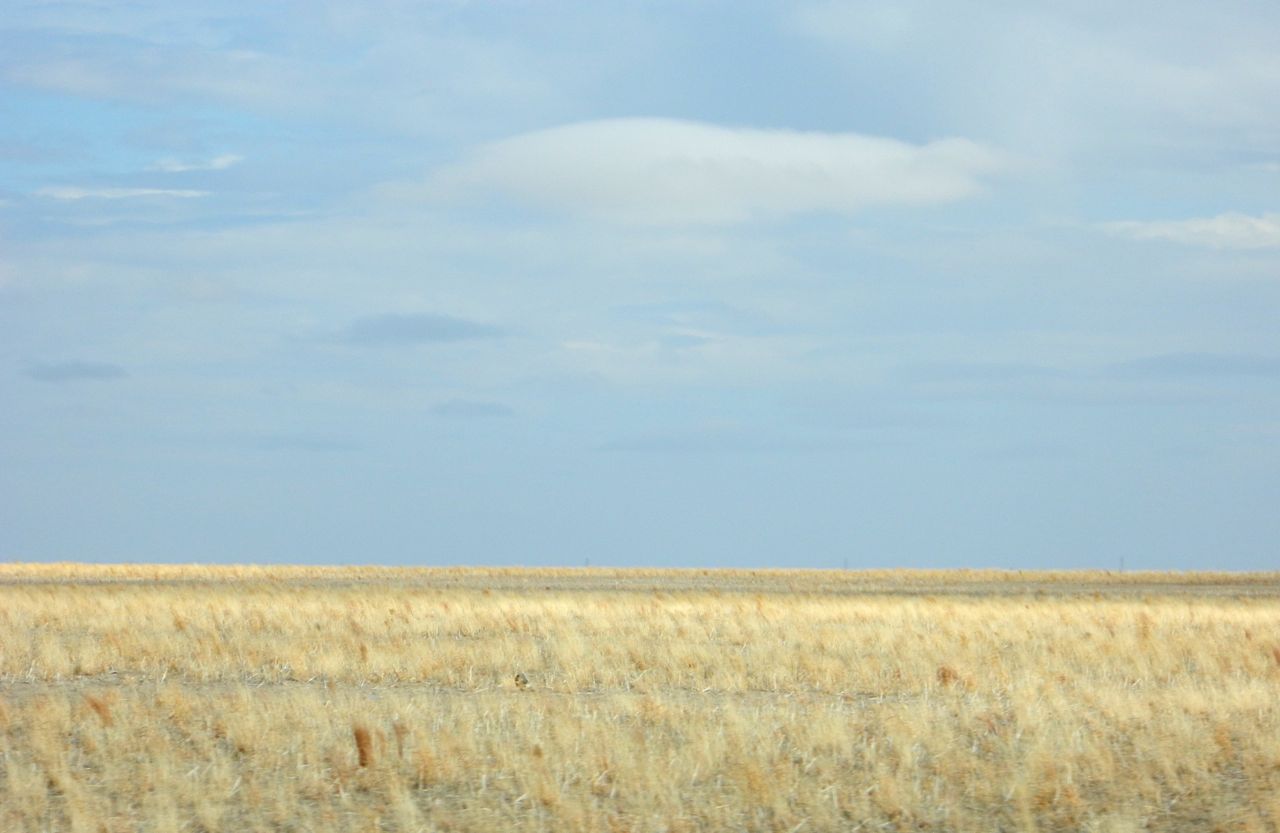
In its primeval state, almost all of North America, from the eastern coast to the 98th meridian…was densely timbered, and the contrast between the dense eastern woodlands and the “big sky” country of the west would have been stark. A traveler going west would have seen nothing like open prairie until he hit the 98th meridian, whereupon, in many places, he would have been literally staring out of a dark, Grimm Brothers forest at a treeless plain. It would have seemed to him a vast emptiness. At that point, everything the pioneer woodsman knew about how to survive–including building houses, making fire, and drawing water–broke down. It was why the plains were the very last part of the country to be settled.
On grey and rainy Saturday we traveled north along US 287 to Limon, Colorado, then further north to Nebraska the next day. We passed through the Comanche National Grasslands but unfortunately, there was nowhere to venture off the road and hike around. We experienced a momentary thrill (ok, I did) when we saw this sign in Campo, Colorado.

But the road ended here

which was a little disappointing. We figured they filled in the canyons to build the railroad and just forgot to take down the sign. We also had trouble during this stretch with our borrowed GPS, which I believe has been compromised–lent to us by an Australian and therefore suspicious. More than once, we found ourselves following the directives of the disembodied, Australian-accented Miss, only to drive in a big loop through a trailer park or around the parking lot of an abandoned gas station. Then the machine would cackle, almost imperceptibly, and that creepy banjo song from Deliverance would start up. I think I can do without it on the way home.

By the time the traveler reached modern-day Lubbock and Amarillo, he would have seen nothing but a dead flat and infinitely receding expanse of grama and buffalo grasses through which only a few gypsum-laced rivers ran and on which few landmarks if any would have been distinguishable. Travelers of the day described it as “oceanic,” which was not a term of beauty. They found it empty and terrifying.

There were no horses at all on the continent until the Spanish introduced them in the sixteenth century. Their dispersal into wild mustang herds [after the Spanish abandoned their herds in 1680 after the Pueblo Indians kicked them out of New Mexico for 20 years] was exclusively a western event, confined to the plains and to the southwest, and accruing almost entirely to the benefit of the aboriginal inhabitants of those areas. This meant that no soldier or settler east of the Mississippi, going back to the first settlers, had ever encountered a mounted Indian warrior. There simply weren’t any. As time went by, of course, eastern Indians learned to ride horses, but that was long after they had surrendered, and no eastern, midwestern, or southern Native American tribe ever rode into battle.

The Spanish horses were also, by the purest of accidents, brilliantly suited to the arid and semiarid plains and mesas of Mexico and the American West. The Iberian mustang was a far different creature from its larger grain-fed cousin from farther north in Europe. It was a desert horse, one whose remote ancestors had thrived on the level, dry steppes of central Asia…This horse didn’t look like much, but it was smart, fast, trainable, bred to live off the grasses of the hot Spanish plains and to go long distances between watering holes.

No one knows exactly how or when the Comanche bands in eastern Wyoming first encountered the horse, but that event probably happened somewhere near the midpoint of the seventeenth century…There were no witnesses to this great coming together of Stone Age hunters and horses, nothing to record what happened when they met, or what there was in the soul of the Comanche that understood the horse so much better than everyone else did….The Comanche adapted to the horse earlier and more completely than any other plains tribe. They are considered, without much debate, the prototype horse tribe in North America. No one could outride them or outshoot them from the back of a horse. Among other horse tribes, only the Kiowas fought entirely mounted, as the Comanches did…No tribe other than the Comanches ever learned to breed horses–an intensely demanding, knowledge-based skill that helped create enormous wealth for the tribe. They were always careful in the castration of the herd, almost all riding horses were geldings. Few other tribes bothered with this. It was not uncommon for a Comanche warrior to have one hundred to two hundred mounts, or for a chief to have fifteen hundred.

Colonel Richard Dodge, whose expedition made early contact with the Comanches, believed them to be the finest light cavalry in the world, superior to any mounted soldiers in Europe or America. Catlin also saw them as incomparable horsemen. As he described it, the American soldiers were dumbfounded at what they saw. “On their feet they are one of the most unattractive and slovenly looking races of Indians I have ever seen, but the moment they mount their horses, they seem at once metamorphosed,” wrote Catlin. “I am ready, without hesitation, to pronounce the Comanches the most extraordinary horsemen I have seen yet in all my travels.”

Other observers were amazed at the Comanche technique of breaking horses. A Comanche would lasso a wild horse, then tighten the noose, choking the horse and driving it to the ground. When it seemed as if the horse was nearly dead, the choking lariat was slacked. The horse finally rose, trembling and in a full lather. Its captor gently stroked its nose, ears, and forehead, then he put his mouth over the horse’s nostrils and blew air into its nose. The Indian would then throw a thong around the now-gentled horse’s lower jaw, mount up, and ride away.
I wish we had seen mustang or at least buffalo, but there were none. Instead, we passed mostly through small, half-alive looking towns strung along the highway, connected by farms, ranches, and cows. Lots of cows. Sometimes on feed lots and sometimes on open land. Isabella marveled at just how strong and persistent the feed lot odors were, even in the towns. Send In the Clowns Cows became the theme song for this stretch of the trip.
I once read about how ill-equipped cattle were to survive on the Great Plains when they were introduced–unlike the innumerable buffalo, which were able to withstand temperatures as low as -30 and as high as 115, creatures in perfect symbiotic relationship with the Plains Indians whose continuous pursuit of them guaranteed there would be no overgrazing. I’m amazed at the fate of the buffalo vs. cows, and the permanent alteration of the Western and Southwestern landscapes caused by cattle growing.

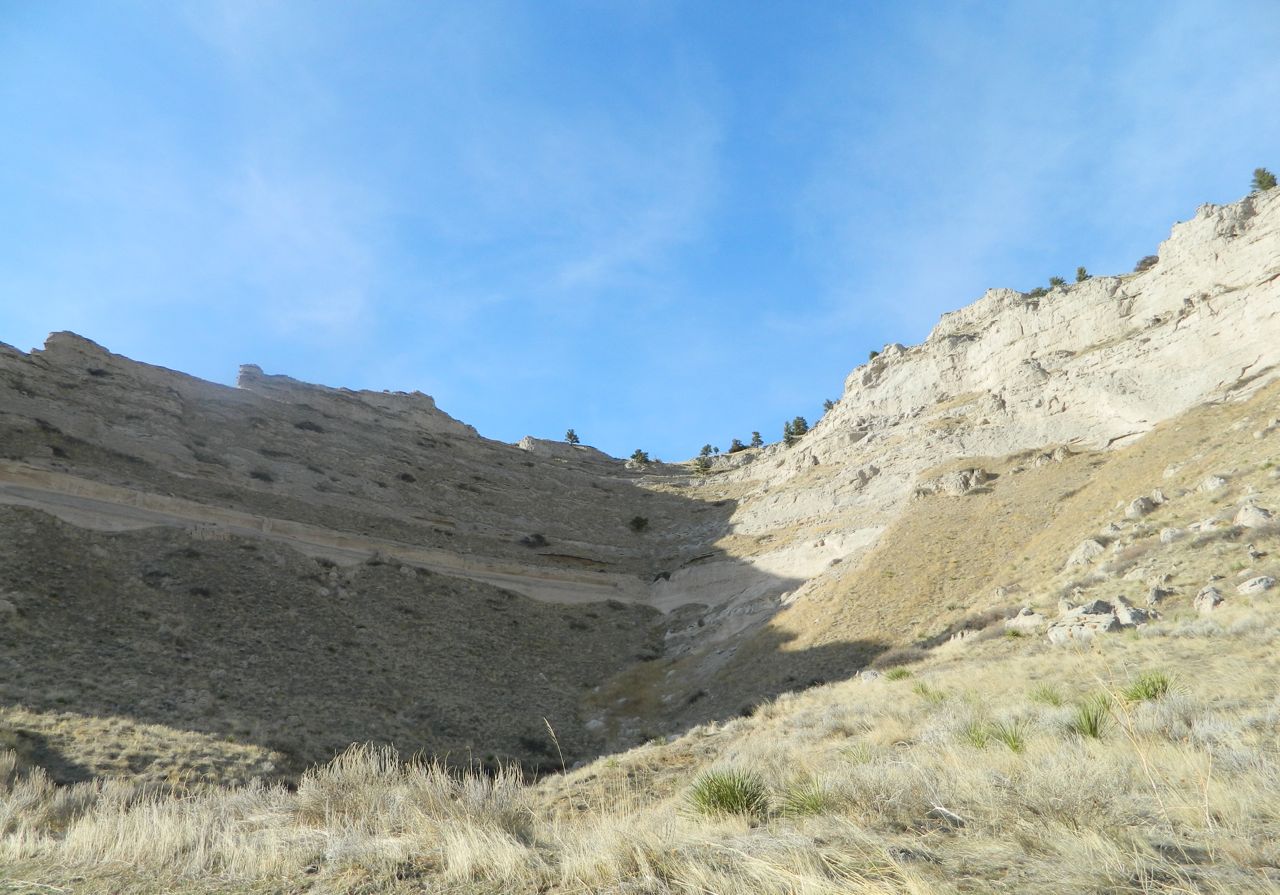
We arrived at our destination–the indomitable Great-Grandma Jessie in Scottsbluff, Nebraska–on Sunday, and stayed up into the wee hours (9:30) enjoying each other’s company. Today, after she taught us how to make a strawberry pie, we visited the actual Scotts Bluff (national monument) of Scottsbluff. It was a landmark of the Oregon Trail, and beautiful in the afternoon sun.
We leave for Albuquerque Thursday morning and plan to drive down through Colorado. I’ll finish this road trip series along the way or after we get home. Thanks, as always, for reading.
Mustang images from here and here
So This Is Palo Duro Canyon
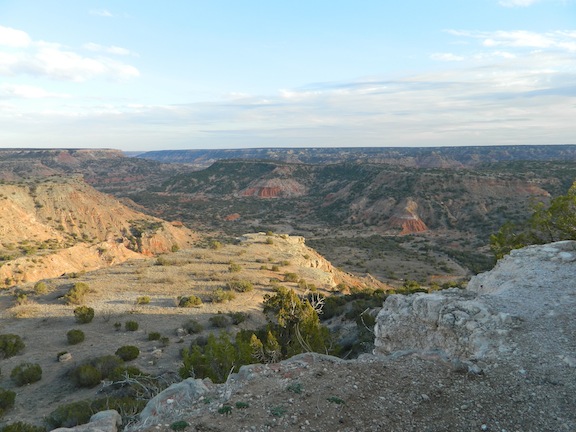
We arrived yesterday to the stunning Palo Duro Canyon State Park in the West Texas panhandle, after a five-hour drive from Albuquerque propelled by Texas Tunes CD’s (thanks Mike!), the Best Travel Writers 2003 audiobook, and a borrowed GPS (thanks Robert!). If you are one of my four subscribers, you’ll recall that we came here to see the former homeland of the Comanche on our way to Nebraska, where our grandmother/great-grandmother, Jessie, has already begun looking out her window for us (she told me this a few days ago). As mentioned previously, I knew nothing about the Comanche before reading Empire of the Summer Moon last year. Because SC Gwynne has done such an incredible job at telling their tale, I will mostly quote from his book to share some of what I have learned about the former Lords of the Plains, and accompany with pictures taken yesterday and a few of my own words. Welcome to the second largest canyon in the US.
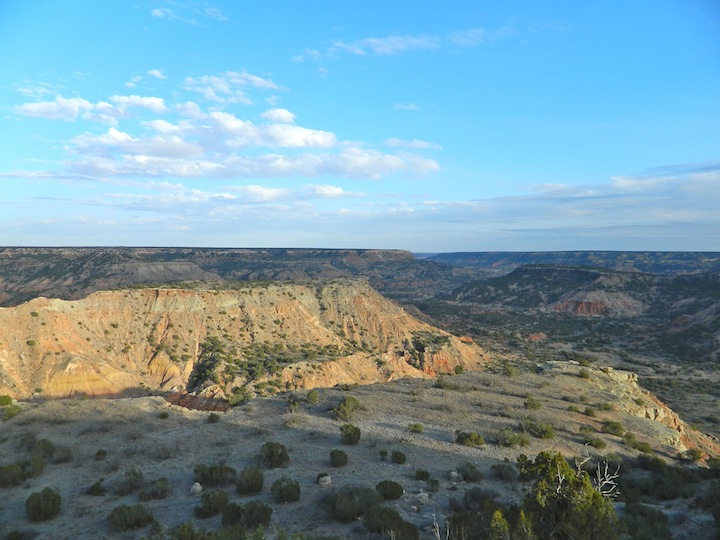
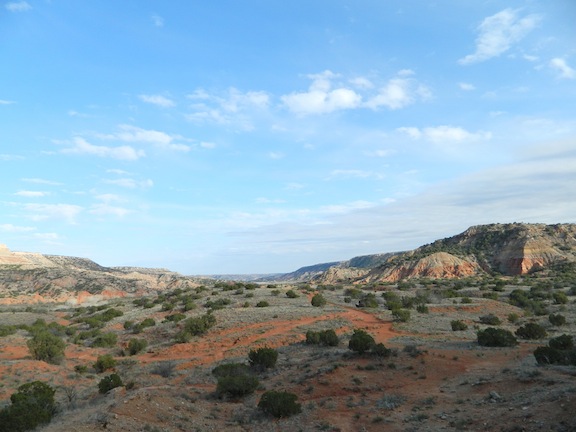
The Comanche were the descendants of the primitive hunters who had crossed the land bridge from Asia to America in successive migrations between 11,000 and 5,000 BC, and in the millennia that followed they had scarcely advanced at all. They were in most ways typical hunter-gatherers. But even among such peoples, the Comanches had a remarkably simple culture. They had no agriculture and had never felled trees or woven baskets or made pottery or built houses. They had little or no social organization beyond the hunting band.

Their culture contained no warrior societies, no permanent priest class. In social development they were culturally aeons behind the dazzlingly urban Aztecs, or the stratified, highly organized, clan-based Iroquois; they were in all ways utterly unlike the tribes from the American southeast, who in the period from AD 700 to 100 built sophisticated cultures around maize agriculture that featured large towns, priest-chiefs, clans, and matrilineal descent.
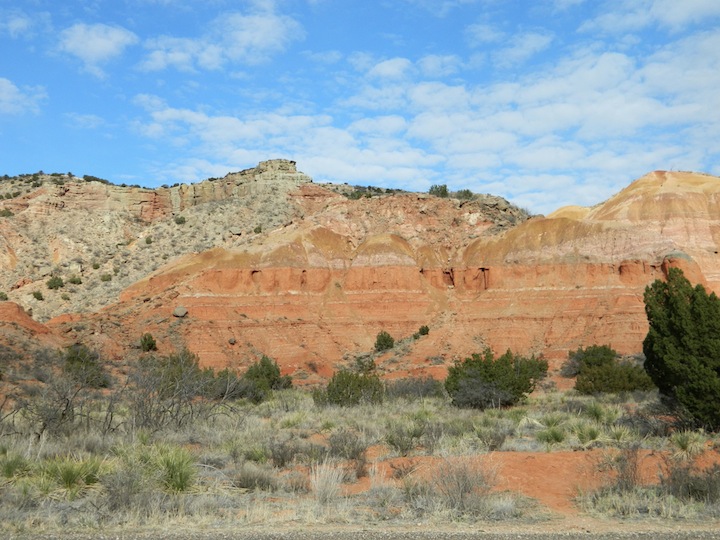
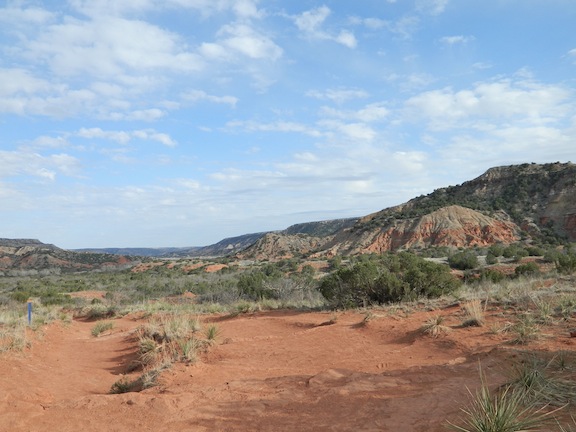

From the scant evidence we have, they were considered a tribe of little or no significance. They had been driven to this harsh, difficult land on the eastern slope of the Rockies by other tribes–meaning that, in addition to everything else they were not good at, the Comanches were not very good at war, either.
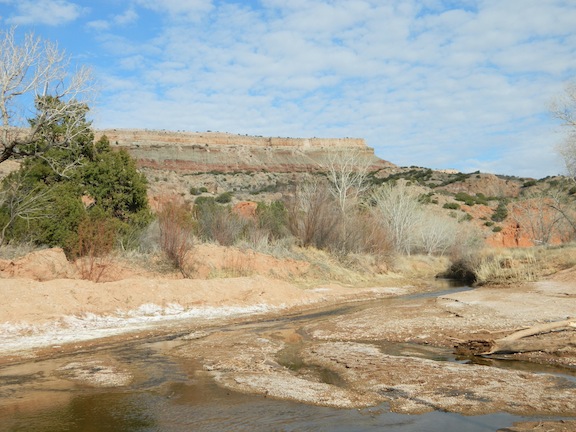
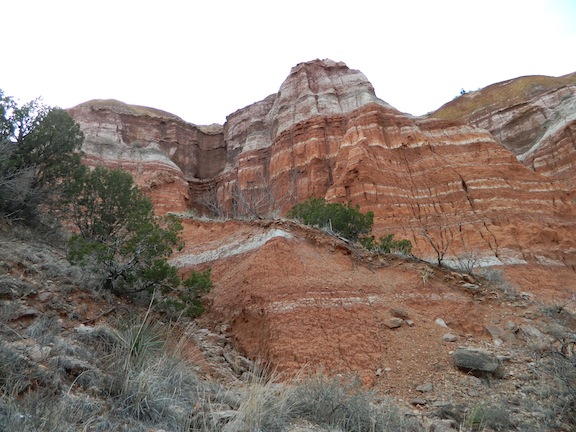
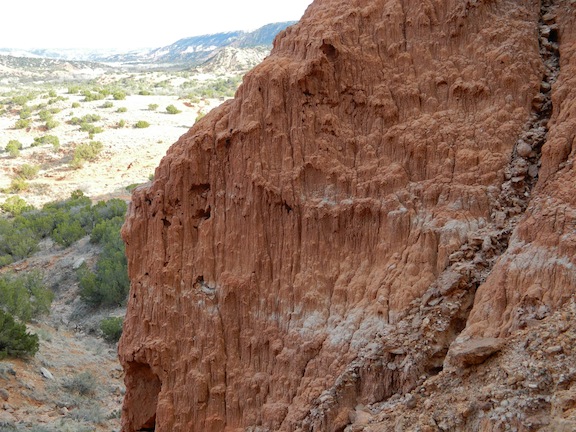
What happened to the tribe between roughly 1625 and 1750 was one of the great social and military transformations in history. Few nations have ever progressed with such breathtaking speed from the status of skulking pariah to dominant power. The change was total and irrevocable, and it was accompanied by a complete reordering of the balance of power on the American plains. The agent of this astonishing change was the horse.
In the next post, I’ll continue the story of the Comanche and their transformation into the most powerful Indian tribe in American history, along with the history of the horse in the West and their incredible relationship to the Comanche. As for the park visit yesterday, I must say that it was amazing. I have always loved the contradictory subtle + stark, colorful palette of the West; the reddish-brown, yellow and gypsum-laced sandstone of Palo Duro, carved out by wind and water over thousands of years, was a spectacular vision. Georgia O’Keeffe, who lived and worked in Amarillo and Canyon in the early 1900’s, described, “It is a burning, seething cauldron, filled with dramatic light and color.” She must have been there in the summer. It was perfect yesterday.

We found the “river” (more like a ditch/stream), meadows of beautiful 4′-5′ grass that looked like flames on stems, and hiked halfway to a formation called the Lighthouse.
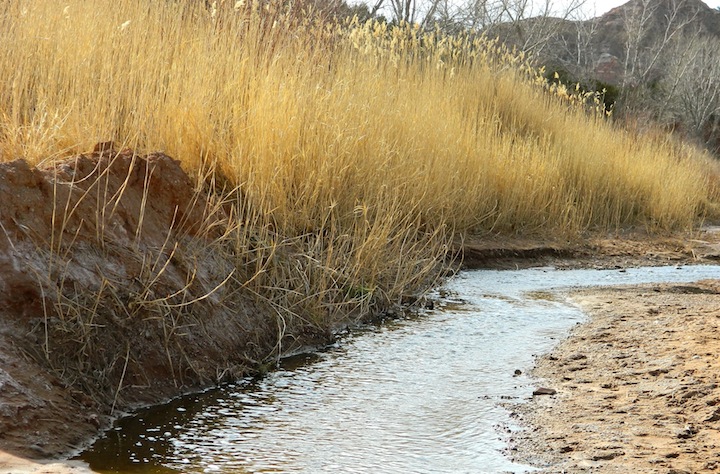
Oh, and looking at everything through my fancy new overpriced sunglasses (thanks, mom!) bumped the contrast even more.
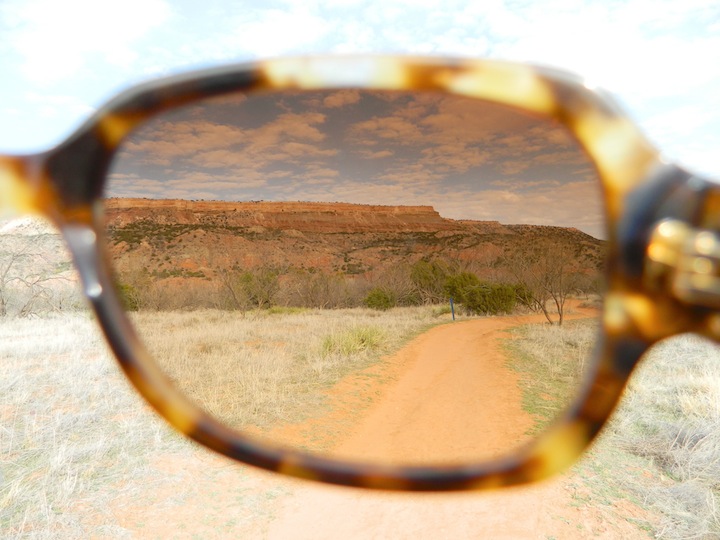
But I only used them half the time (the sunny half).
Palo Duro reminded me a little of Canyonlands in Utah, but without as many grandiose formations. The entire park is drivable (like Canyonlands) and you can get out and hike or bike the many trails. Unfortunately, the site of the Palo Duro Battle, the number one spot I wanted to see, is not accessible by road and not on any of the maps. Maybe one day I can come back and hike there to see for myself this site of such significance in ending traditional Comanche way of life once and for all.
After exploring the three hours, we left the park at sunset
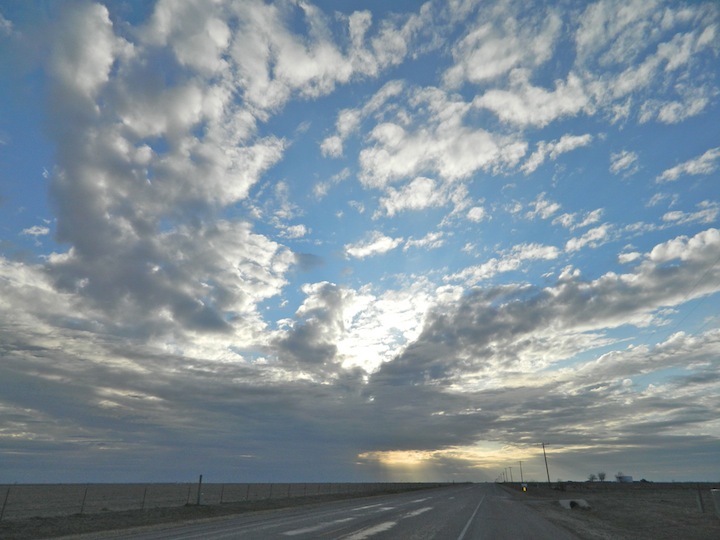
and drove 1.5 hours north to Dumas, Texas, which was surprisingly civilized*. We stayed at the pet-friendly (no extra charge!) La Quinta, where we encountered a newly remodeled pool/hot tub populated by Texans on their way to… yes, the ski slopes of New Mexico and southern Colorado! (What did I tell you!?) We had a late dinner at the 287 Roadhouse whose exotic offerings included breaded and deep-fried pickles, fried alligator bits, and “Juicy Juevos,” which is I suppose more elegant than “Fried Calf Balls.”
*Perks Espresso is right up the street from the hotel
Now I’m tired, so I’ll say good night from Limon, Colorado. More after we get to Nebraska—
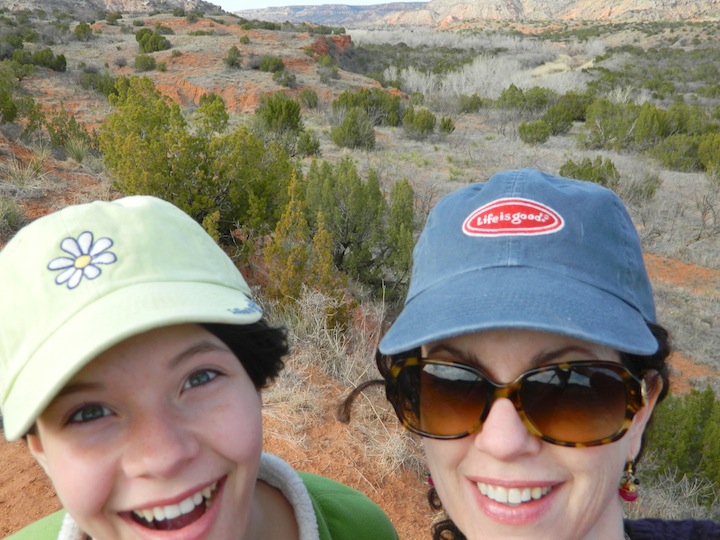
How To Have a Fun Vacation with Your Teenager
As a single mother, I’m often asked, “How do you do it? Raising a teenaged daughter alone… you both seem so normal [not really], so well-adjusted [sometimes]. What’s your secret?!” It is perhaps an understatement to say that being the parent of any teenager is not easy, but it is my feeling that girls, in particular, offer distinct challenges because of their propensity for drama. Drama at home, drama at school, drama in the washing machine; it is everywhere. And if it’s not, they will create it. Unfortunately, in today’s social-media driven world, there are so many more opportunities for engaging in useless, tear/rage/anxiety-producing drama than when I was growing up. I’m chartering dangerous new territory here.
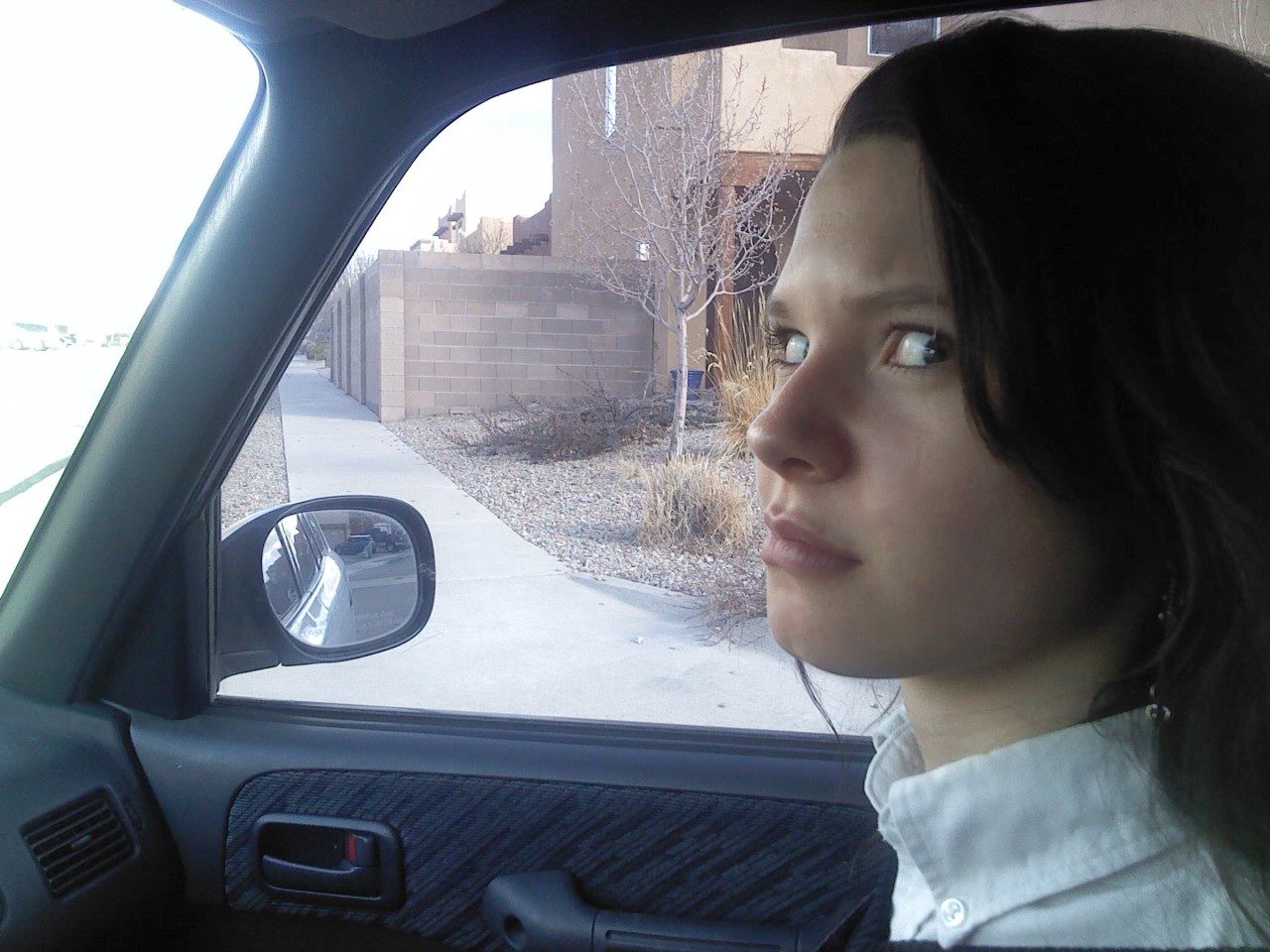
On the eve of our road trip during which we will be spending countless hours together, I’m doing my best to prepare: car, food, maps, methods for angst dissolution. This astute readiness will hopefully ensure that we both have a wonderful, rewarding experience. Or at least that we arrive home on speaking terms and in possession of all our respective teeth and limbs. In any case, I thought this would be the perfect opportunity to share with you my top three FUT’s (Frequently Used Techniques) to control encourage my daughter to be the best she can be through positive discipline, fostering intrinsic motivation toward pleasant behavior for the common good, and esteem-building experiences.
I will begin with the general edification that vocal and bodily expressions of any sort in public can be extremely helpful at encouraging your daughter to “snap out of” potentially explosive displays of emotion. As anyone who received my 2010 Holiday newsletter may recall, the article “Power In Penis” describes how the word penis has a calming effect on pre-teen girls: when you feel the onset of an irrational argument, just say the word penis in a controlled but lively fashion and the agitation will subside. Typically, the girl will then stare at you in horror and walk away. Unfortunately, the effectiveness of penis wears off by the time a girl enters her teen years, when repulsion for the curious, gross, and irresistibly mysterious male body has been deflated by Health 101 and dubious information from classmates and their older siblings. In fact, it can have quite the opposite effect, so best to retire penis after the age of 12.
But that doesn’t mean there aren’t alternatives. My favorite?
1. Public Dance (preferably Liturgical)
1) Study Stephen Colbert’s video, commit to memory. 2) If the spirit moves you, embellish with unique dress, jewelry, lyrics etc, but the dance itself is pretty effective. (I keep a pair of turquoise maracas on hand for situations that require emphatic sound and gesturing. They will be on-the-ready in the glove box.)
Bonus: in addition to discouraging your teen daughter’s unwanted behavior/attitude, Public Dance produces the added benefit of dispelling her erroneous, but age-appropriate belief that she is the center of the universe, now and forever. Because for those precious few shining moments, you will be. Trust me.
2. The Coraline
[Disclaimer: If you and your teen haven’t seen Tim Burton’s Coraline, this might not make sense to you. Plus, you’re missing out on a great movie.]
Capitalizing on the primal fear of parental replacement/transfiguration so delightfully explored in the movie, The Coraline is a wonderful way to “get your message across” in a non-verbal, completely non-violent manner. No wailing, exploding heads, or collapsing in frustration.
Materials: two large buttons, two pieces of tape.
Procedure: If your daughter has “stomped off” in furious indignation over some unfairness or another, do not follow. Resist the urge to stalk and verbally abuse, cajole, or sweet-talk into a more acceptable reality. Let her go. Ignore the sound of the slamming door. Rather, 1) Go to your special Coraline Box, take out the buttons, roll the tape and place on the backs, stick to your closed eyelids. 2) Calmly feel your way into the room where she sits seething and just stand there. Obviously, you will not be able to see when she notices you, so wait until you hear a soft gasp. 3) Turn, walk away in silence.
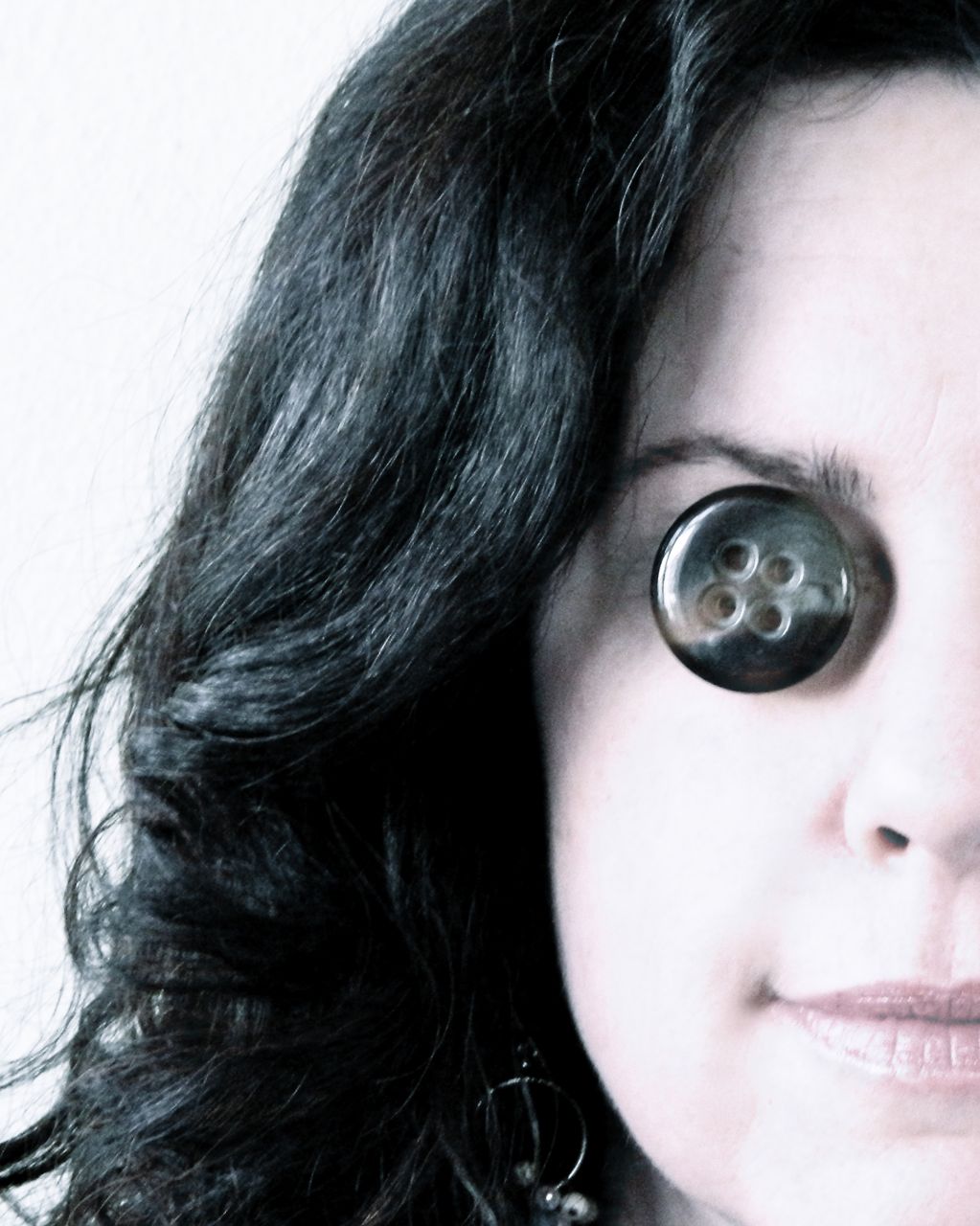
This beauty of this opportunity to be pro-active rather than re-active is almost unbearable for its simplicity, cost-effectiveness, and ease of execution. Invariably, results include a greater appreciation of all you are and all you do, not to mention living in a safe place where there are no secret disappearing doors.
3. Let Her Be the Hero
Last, but not least: take advantage of (or create) opportunities to let your teenager be smarter than you, prettier than you, stronger or more capable than you. Think of it as the Parental Non-Compete Clause. For example, in our household, whenever a medical crisis arises (read: I cut my finger), I call on Isabella to administer care. She takes great pride in her strength and level-headedness in the presence of blood, while I teeter dangerously on the edge of hysteria. I pant, heave, and shiver, she glows. On this trip, Isabella will be in charge of directions and maybe audio books; I will follow. If she reads the map correctly and we actually arrive to Nebraska by Sunday, the glory is hers to bask in. If she guides us incorrectly and we’re lost in a wasteland with nothing but bad literature to keep us company, I’m ready to be lost (remind me to bring extra water). Either way, she will be Hero of Maps and Directions. There is only success.
That wraps up today’s FUT’s, I hope they have been helpful. And before I forget, I would like to introduce you to the third traveler who will certainly add to the fun of our vacation: Velma, our excessively-devoted whippet x pit bull who has carried on a five-year love affair with my shoes.
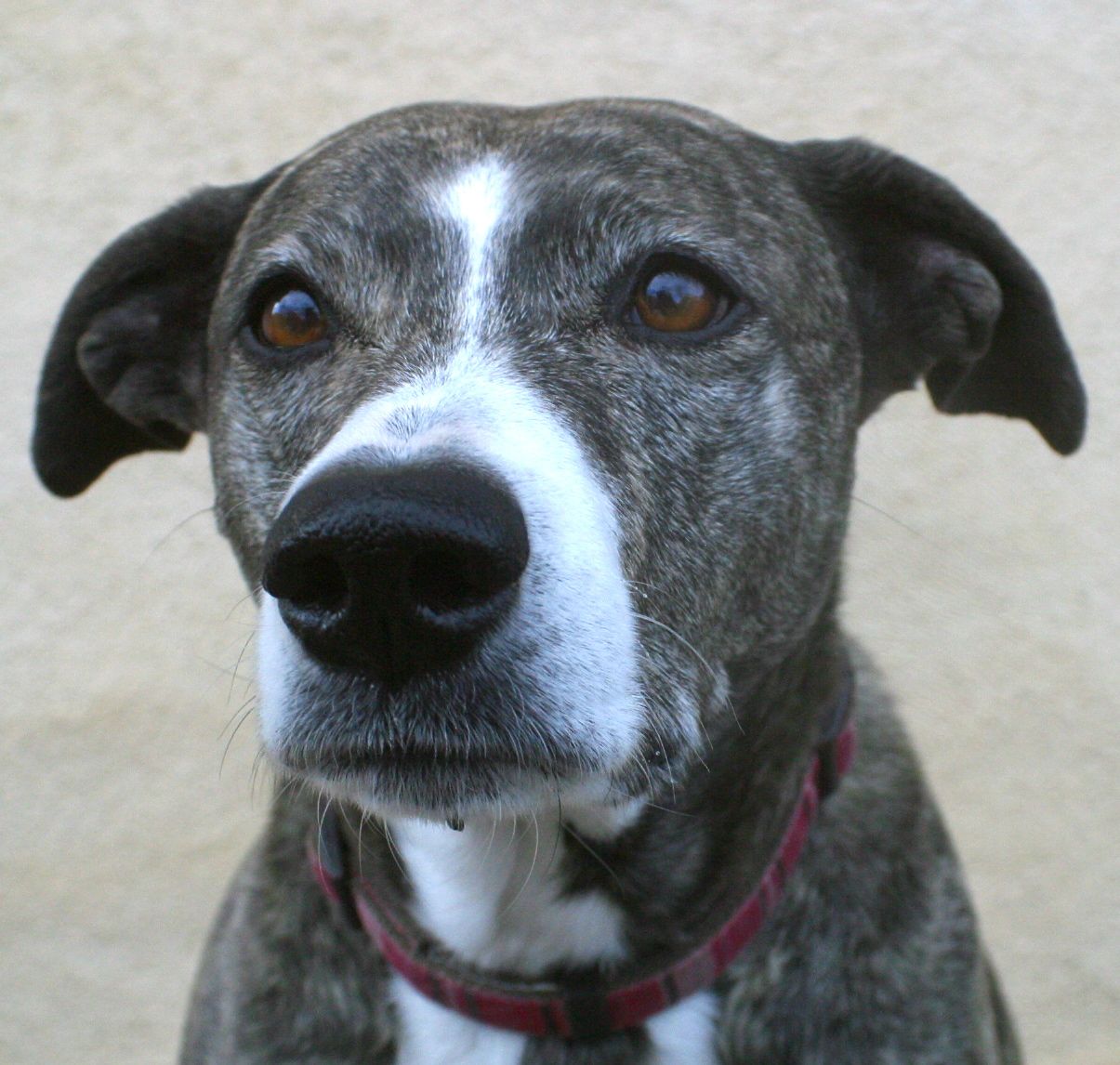
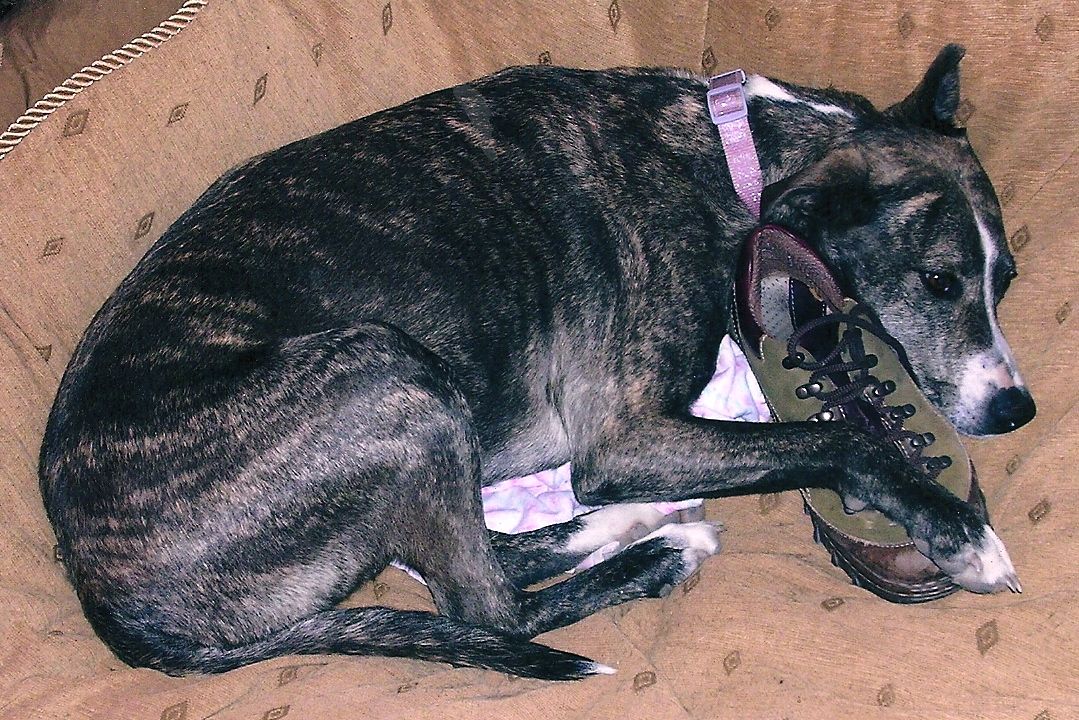
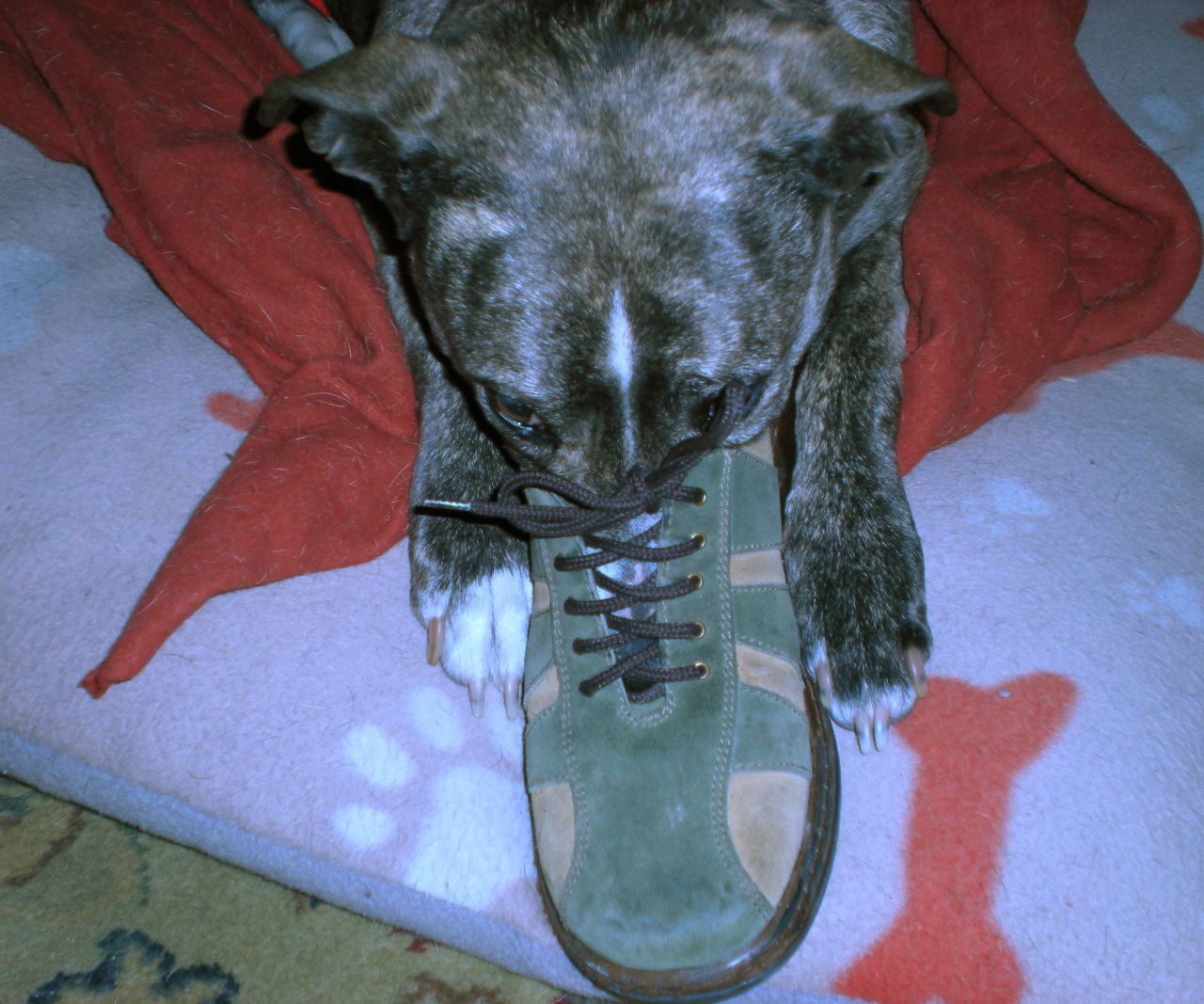
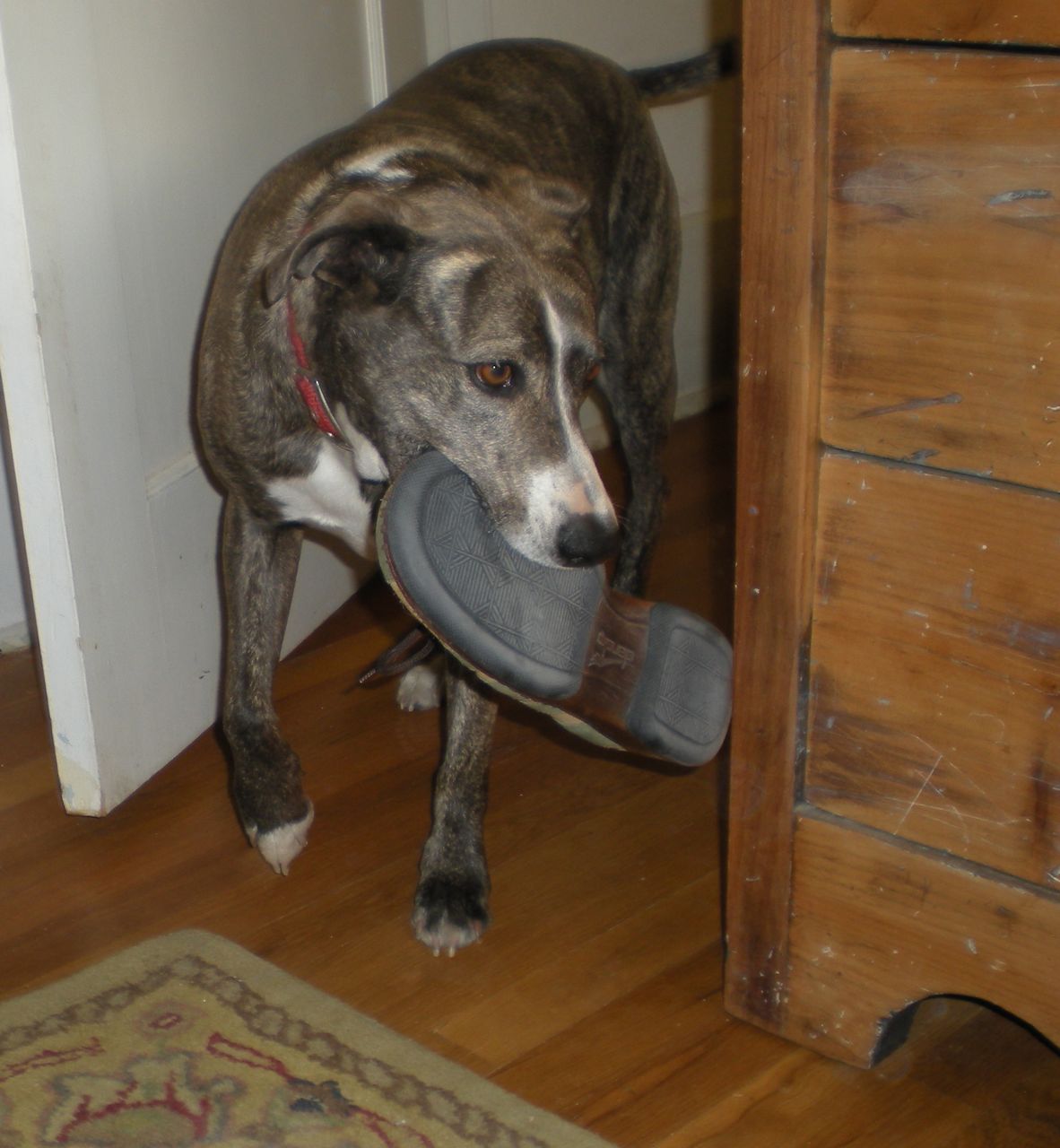
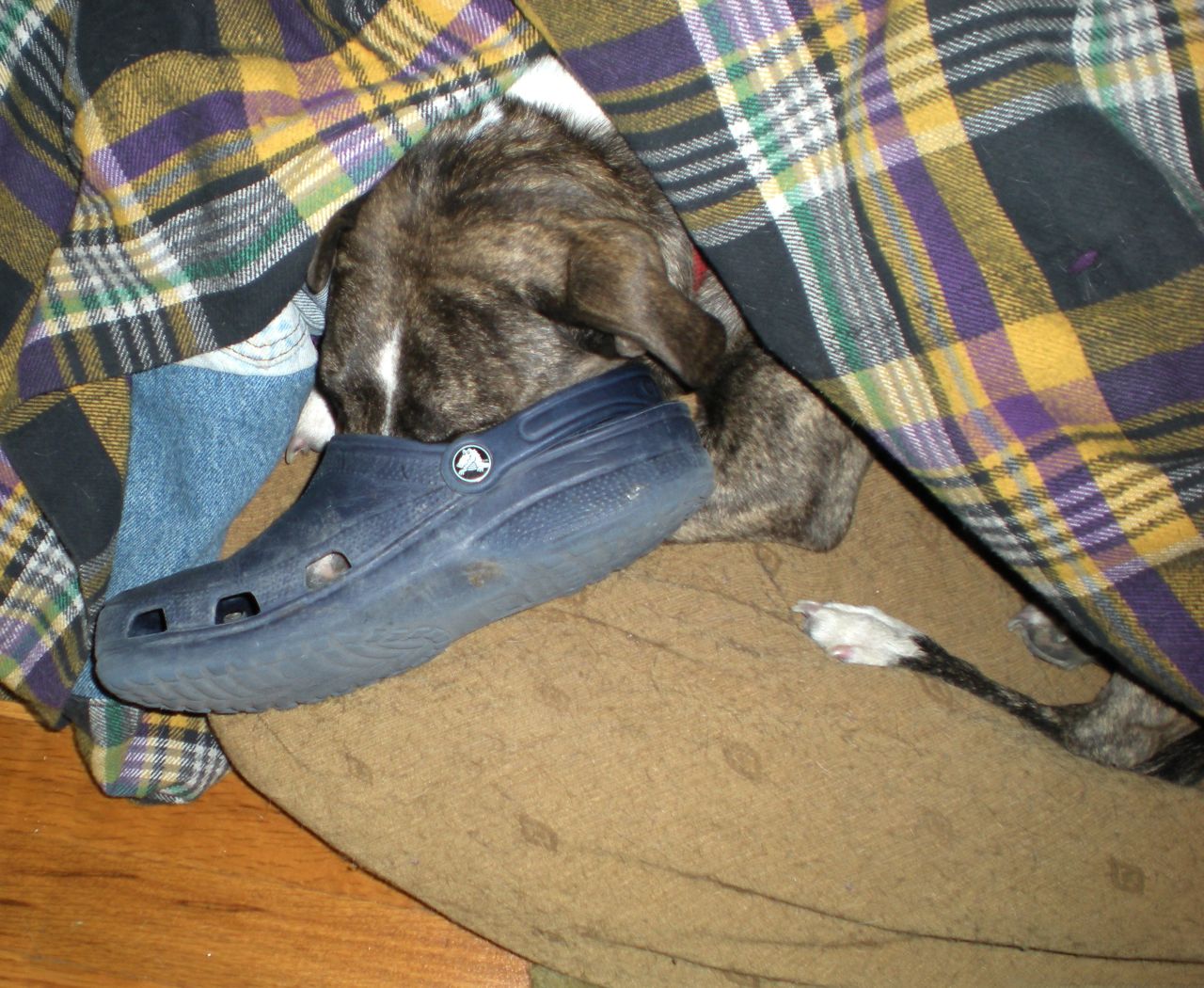
The thing I love best about Velma is that her tail is always wagging. Unless she’s lying down or getting in trouble for raiding the trash,
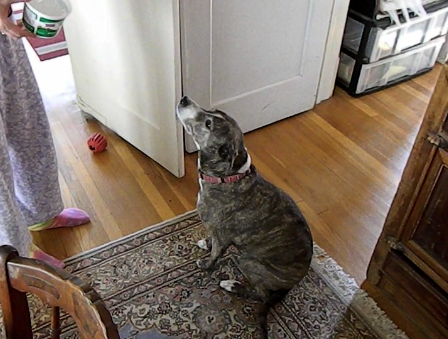
her tail is always.wagging. Eternally optimistic and content with her place in the world, wanting to be nothing more or less than what she is. Velma brings no judgements, attitude, or hostility, her behavior is easily modified with bad dog voice, she loves being with her pack. She’s a great teacher and we’re so happy to have her with us. Bon Voyage.
Spring Break Road Trip: In Search of the Comanche
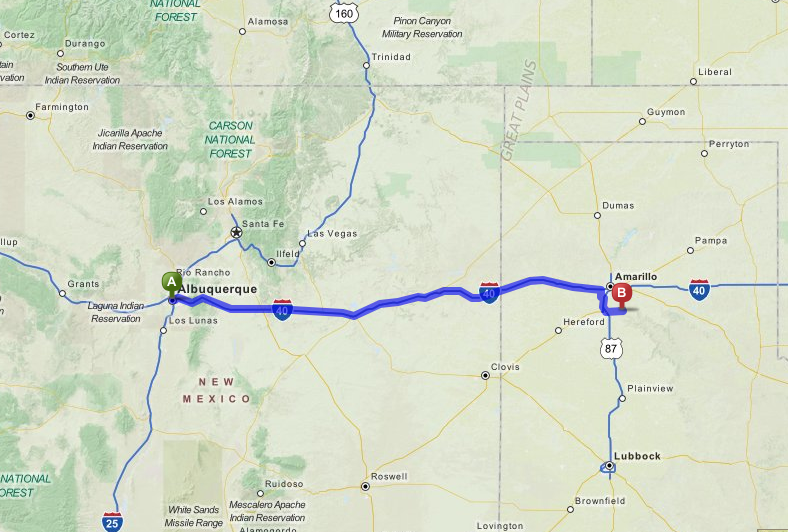 In just over a week, I will embark on a journey to the edge of the Midwest with my teenaged daughter… because nothing spells Spring Break adventure like a road trip through the Texas panhandle, Oklahoma, and Nebraska. Woo! The true reward & destination of this trip is our amazing grandmother/great-grandmother, Jessie, whom we haven’t seen in more than 5 years. I’m not supposed to talk about her age (rhymes with shmindey-hive), but I will tell you that she’s my personal golden-years role model, as well as that of everyone who knows her. Jessie is active with friends and her church group, she sews, gardens, and never complains. She is grateful for her good health, hearing & sight, is always looking forward to something, and loves to sit in her sun-room watching the birds. Can’t wait to see her.
As long as we’re headed to Nebraska, I thought we’d take a short detour to Palo Duro Canyon, not far from Amarillo, Texas. I’ve never had any desire to visit Texas, so I needed some kind of incentive. You see, New Mexico and Texas have shared a *friendly rivalry* for many hundreds of years comprised mostly of New Mexicans fighting off Texan invaders & raiders for… well, ever. The invasion continues in the present day, manifested as Texans buying up New Mexico property (Santa Fe & Taos are a favorite), swarming our ski slopes, careening the highways in their big cars, etc. In fact, our current Republican governor, Susanna Martinez, a Texas native whose election two years ago was financed in large part by big Texas money, is to my mind another landmark in the long and sordid history of our states: Texas finally bought New Mexico. But, I digress.
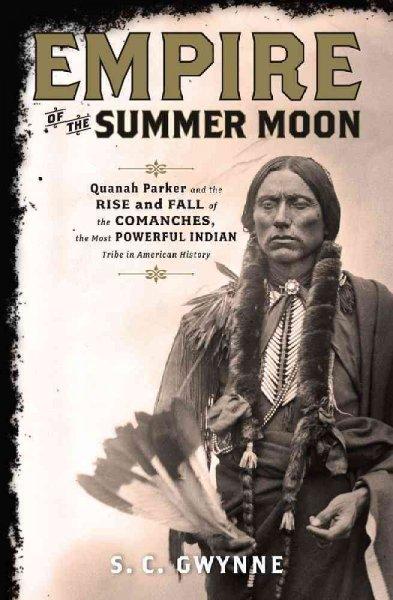 Why Palo Duro Canyon? One of the best books I read last year was Empire of the Summer Moon (S C Gwynne, 2010), a historical novel that brilliantly weaves the story of the Comanche with the story of Cynthia Ann Parker, a white settler who was abducted by the tribe at the age of nine and became a full-fledged member, wife, mother. The book describes how Palo Duro Canyon (which I’d never even heard of before, despite the fact that it’s a mere five-hour drive from Albuquerque), is not only the second-largest canyon in the US after the Grand Canyon, but it was also the heart of the heart of Comancheria, the 240,000 square mile territory (spanning large areas of present-day Colorado, New Mexico, Kansas, Oklahoma and Texas) that was controlled by the Comanche until the mid-19th century. It was a natural fortress and sacred site to the Comanche that remained impenetrable to the Spanish, French, Mexican, and American invaders until the very end of their freedom. It was to the Comanche what Canyon de Chelly was/is to the Navajo: the sanctum sanctorum, a safe haven they never imagined could be breached.
Lucky for you, I plan to take a laptop and do a little blogging along the way, so you too can visit a small part of Comancheria. While I’m certain that the flatlands and tiny towns through which we’ll be driving will provide immeasurable visual and cultural interest of their own, I thought I’d spice it up just a little by incorporating short excerpts from Empire of the Summer Moon (2011 Pulitzer Prize finalist). I don’t know about you, but the education I received in school on Native American history was sorely lacking: superficial, broad, whiteman-centric. And that was in New Mexico, with our 19 pueblos plus the Navajo, Apache, and nearby Hopi. I look forward to adding this trip to the growing list of books and documentaries that have helped inform me about the anthropology, art, history, and cultural practices of the hundreds of thousands of Natives who occupied this country for thousands of years before European contact.
Distorted Hearts
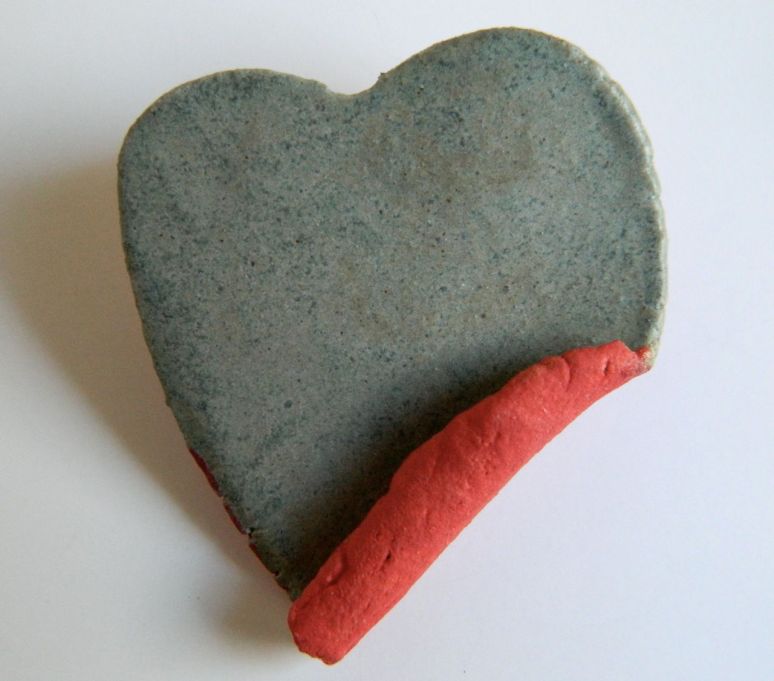
As a special Valentine’s post, I thought I’d share images from my freshly made Original Distorted Hearts™, as mentioned here. I spent many hours constructing, glazing and finishing about 50 of these in random patterns and color combinations. Then I culled the doggedy ones (“cleaning prizes” for my nieces!), chose which were destined to be magnets, pins and pendants, and finished accordingly.
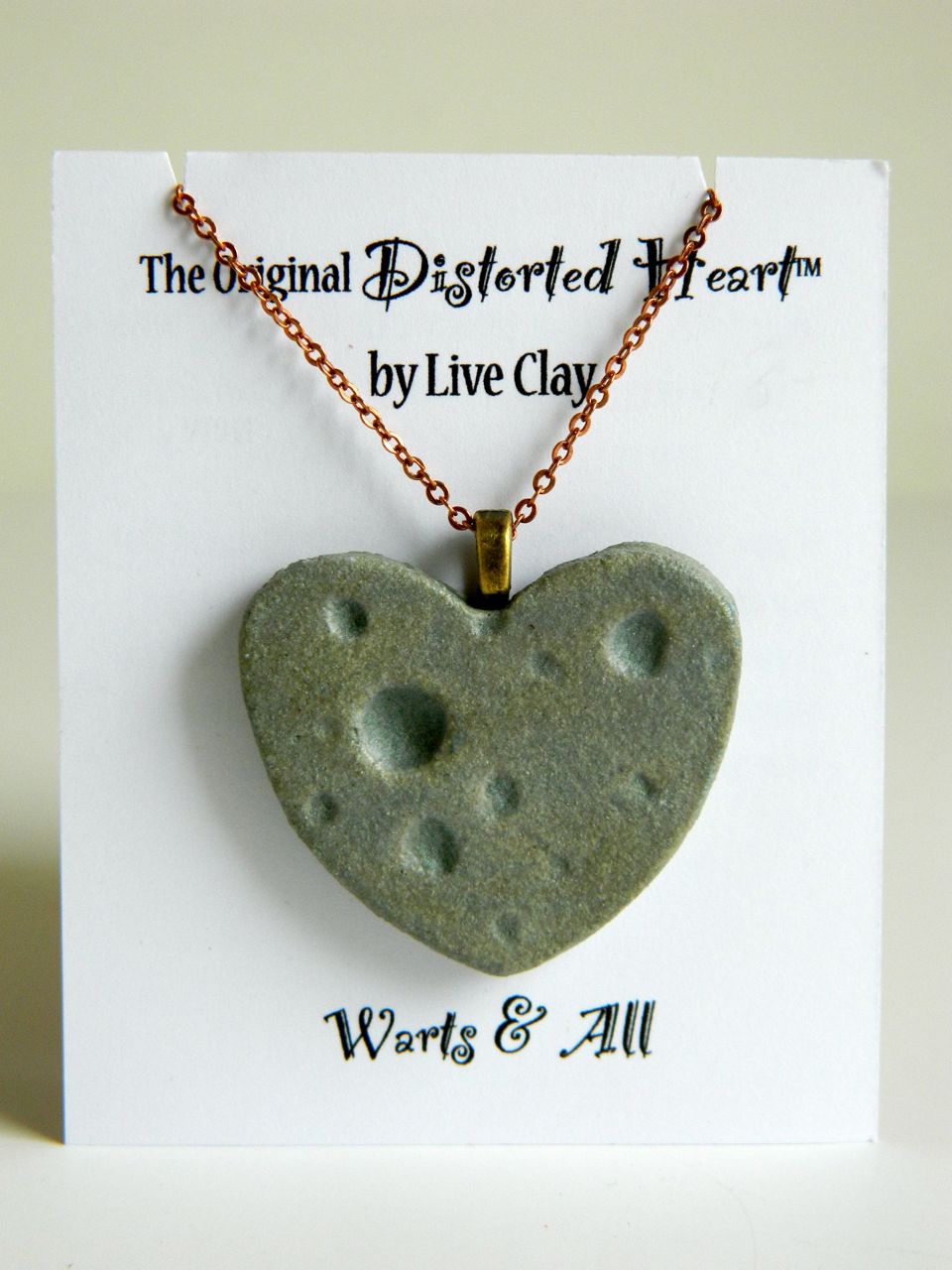
I also decided that I didn’t want these hearts to exist apart from their intentions, so I separated them into seven categories of distortion and wrote “Suggested Uses” on the backs of the cards. I scrambled to finish them for the Local Love Bazaar yesterday, and I’m happy to report a very positive response. 🙂 I sold lots ($8-$20) and people seemed to appreciate the intentions as much as the objects themselves.
Hearts have never interested me until now, until I could make them something more than sentimental tokens of happiness, fantasy, and romance, as the Valentine’s Day holiday has sort of hijacked them into. I think more people can relate to the wounded and broken than to the happy and whole. Just look at the profusion of stabbed, bethorned, flaming, transformed, and otherwise suffering & sacred hearts in Catholic imagery alone.
While we’re on the subject of hearts, did you know that the heart is now considered to be the “fifth brain” (joining the Frontal, Parietal, Temporal, and Occipital Lobes)? Yes, there is now hard scientific evidence that the heart, with its 40,000 neurons, independent nervous system, biochemical connections to the rest of the brain, the heart that starts beating in an embryo even before the brain has formed… is intelligent. You can learn more from this interesting article about heart intelligence in ancient cultures, religious traditions, Chinese medicine, Yoga, and now, medical science. And look! You could even spend a whole weekend in Paris with fancy doctors at the Heart & Brain Conference learning about the medical aspect of the heart-brain relationship.
Anyway, here’s wishing you a heart-filled February 14 with a few of my favorite Original Distorted Hearts™ from each of the seven categories, with Suggested Uses below. I’ll be listing the remaining hearts in my Etsy store later this week.

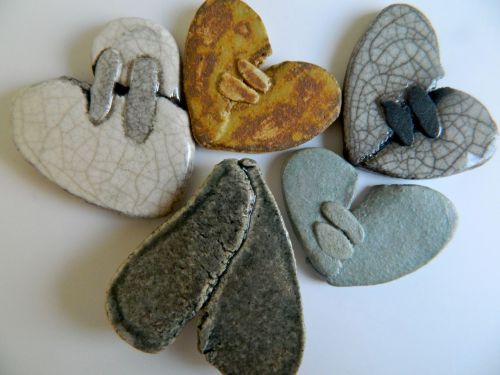
{re}Generative
{re}Generative is an exceptionally perfect heart for expectant mothers! Also appropriate for people in new romantic relationships or best-friendships; people who have finally quit their dead-end jobs and are now doing something they love; or those who have recently undergone heart transplant surgery.
- Torn & Mending
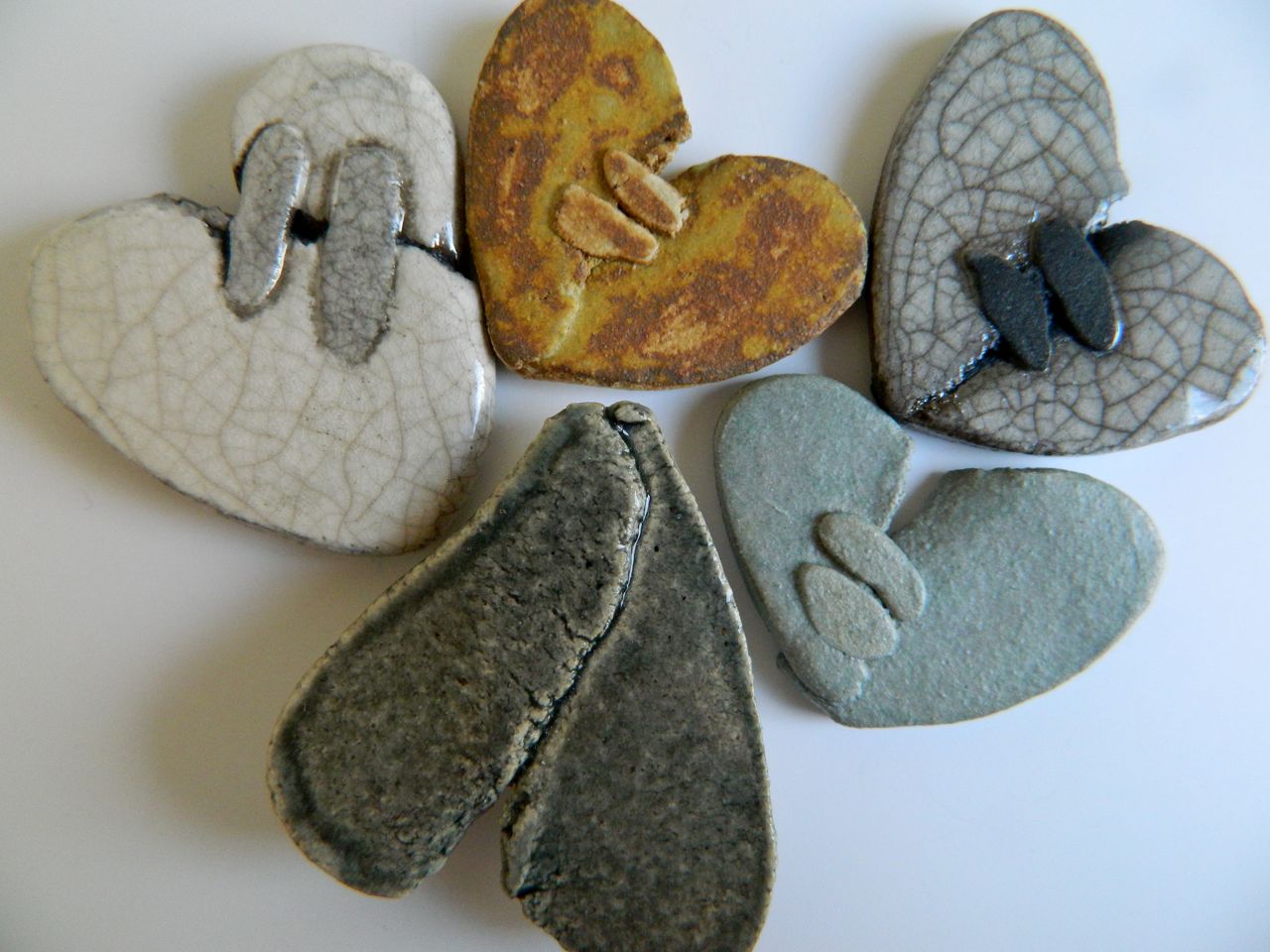
Torn & Mending supports healing of recently broken hearts whether by death, abandonment, loss, or isolation. Also effective for people who are working hard in therapy to dispatch old habits and create new, healthy versions of themselves.
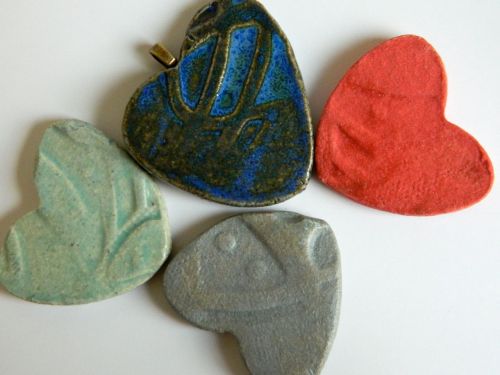
- Tread Upon (Athletic)

Tread Upon (Athletic) is appropriate for those who have been run out on. Also suitable for people who have experienced conflict in personal or professional relationships, and parents of teenagers.
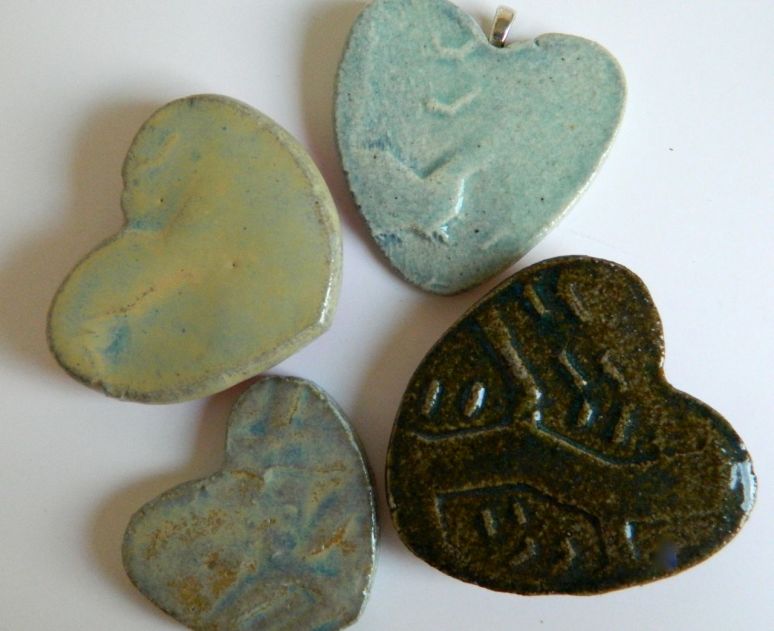
- Tread Upon (Vehicle)
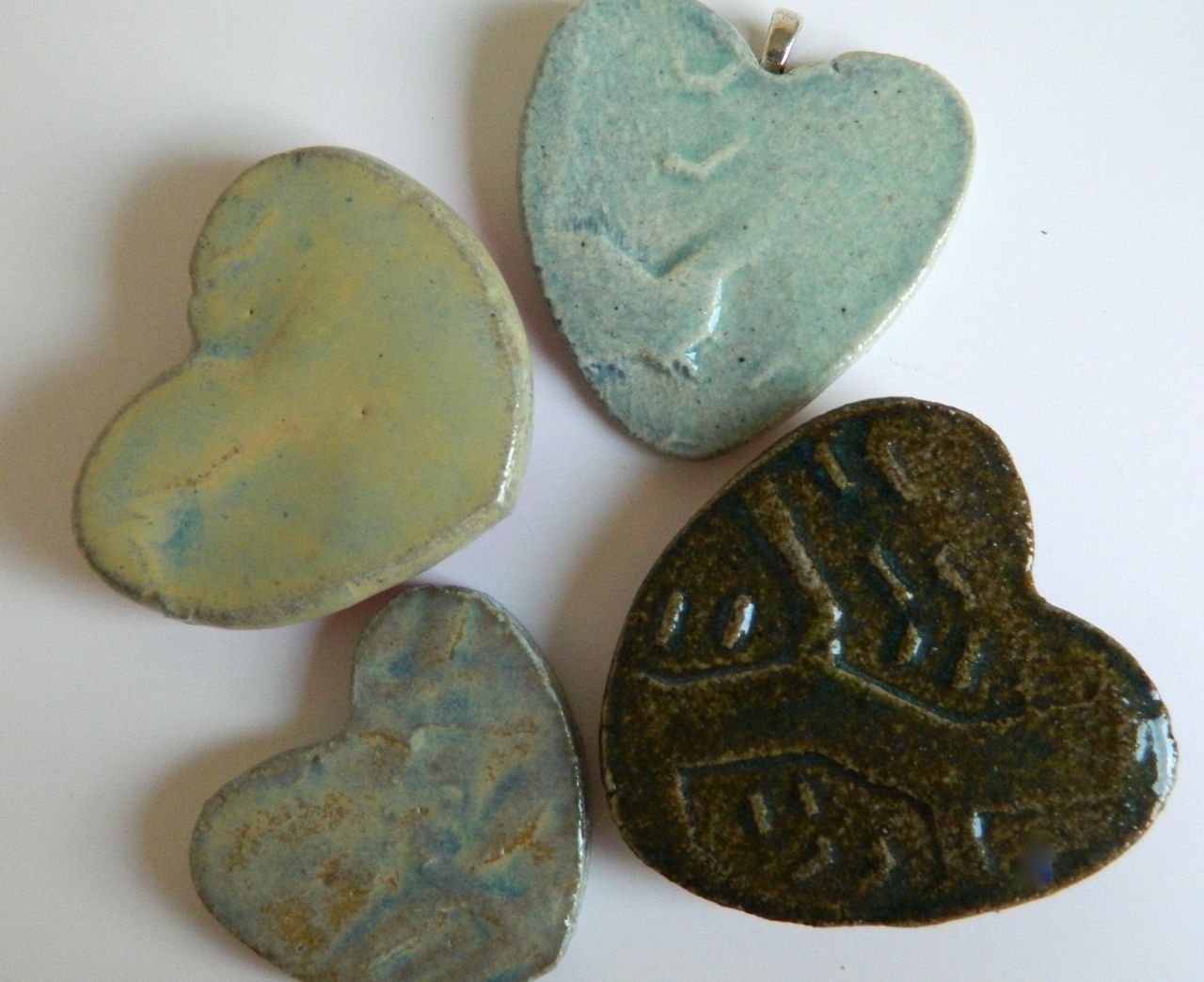
Did you (or someone you love) end a relationship that left you feeling as if you’d been run over? Did you recently discover that the “love” you thought you experienced was actually a personality disorder? Tread Upon (Vehicle) is the perfect heart for you!

- Cut Away
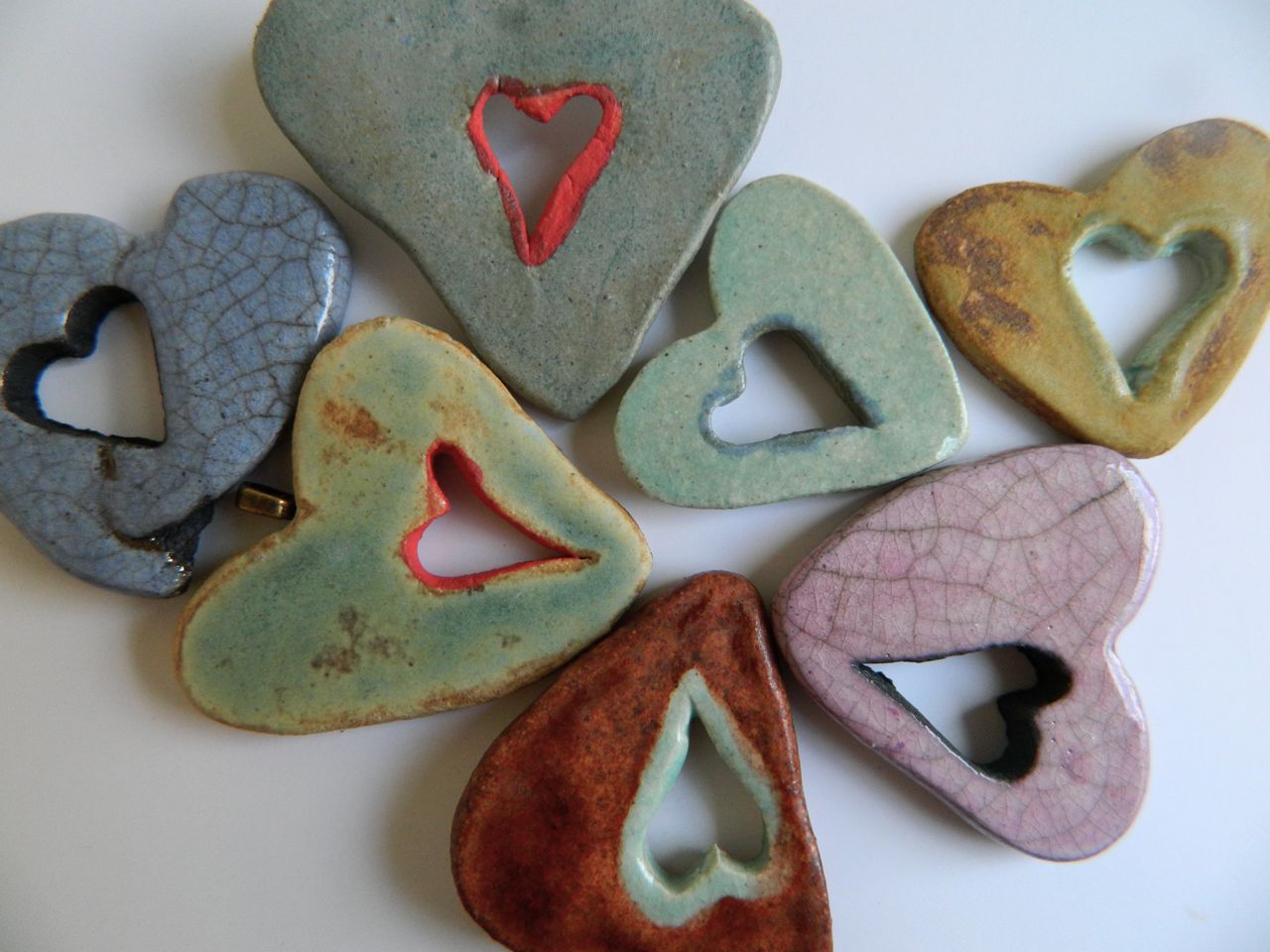
Are you (or someone you love) missing a friend or loved one? The Cut-Away is a gentle reminder of love lost to death, distance, or emotional indifference. A hopeful, yet realistic talisman for those experiencing loss or longing.

- Warts & All

Warts & All is appropriate for those who have recognized that every person and every relationship is limited.
If you receive this heart: rejoice and be glad that you are loved despite your obvious shortcomings!
If you are giving this heart: congratulations for learning to accept people as they are apart from your controlling and manipulative wishes!
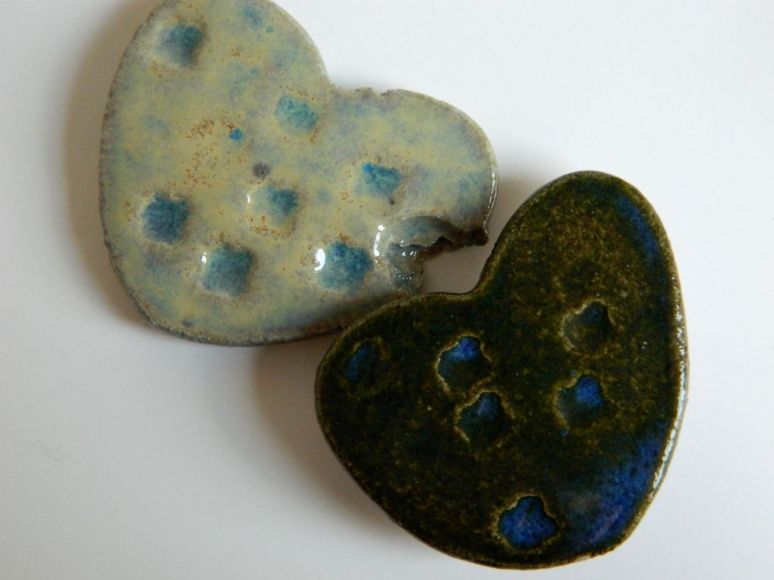
- Tread Upon (Stiletto)
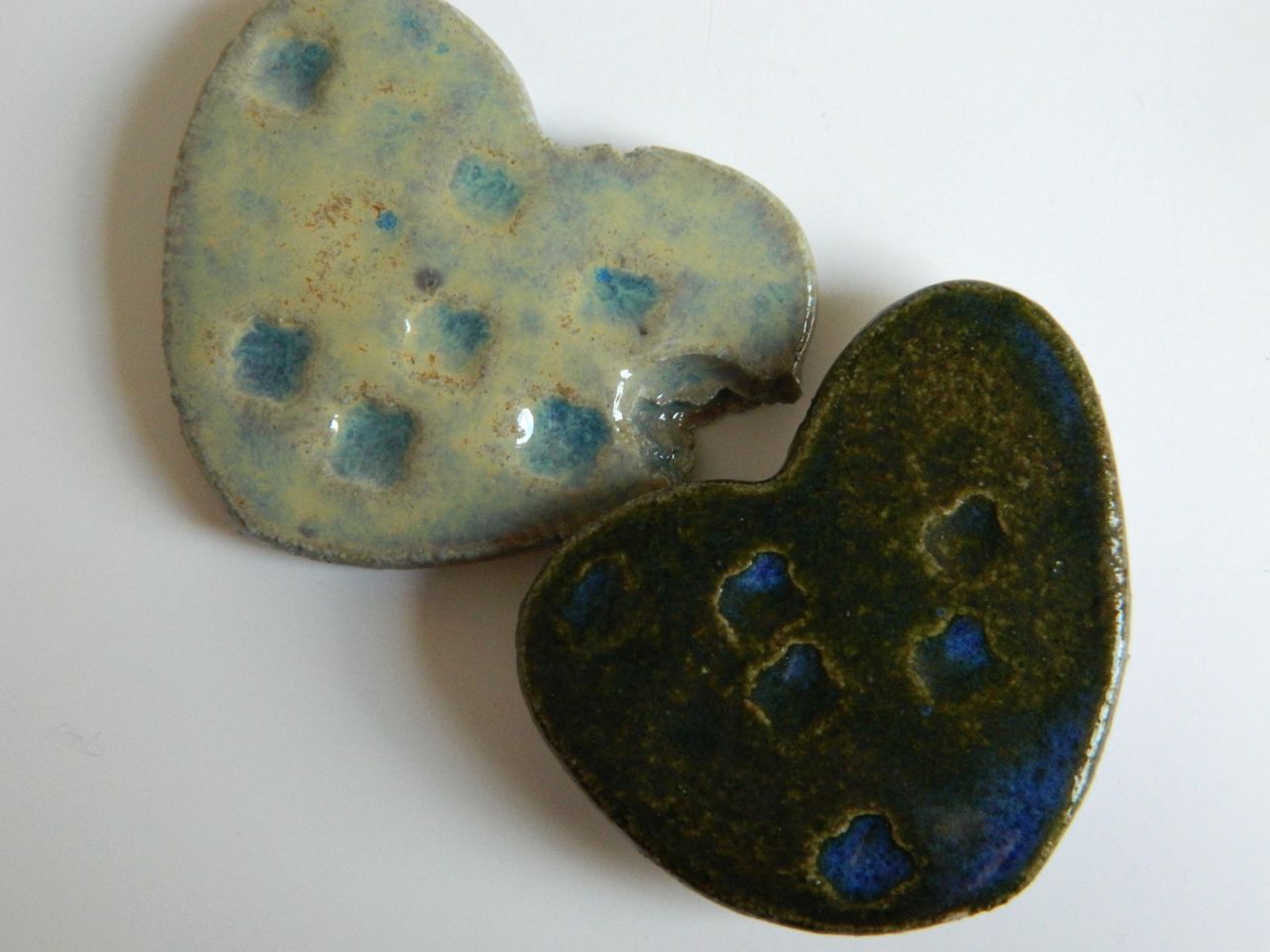
Tread Upon (Stiletto) helps bring healing to those who have experienced difficulty in relationships with women, cross-dressers, or drama addicts.
- Curling In On Itself

Curling In On Itself is well suited for those who are contemplating giving up on love, or even life, forever. A gentle reminder to look for the bright [under]side and remain hopeful in the face of despair.
update Ok, a friend just sent me this after reading the post and I thought it was so funny I just had to include it. Thanks Michael!
Woman vs. Mouse: 5 Things I’ve Learned
If you’re a regular reader of this blog, you may be aware that I have, over the years, had some very interesting *interactions* with mice (not the wild, prophet-in-the-desert style hantavirus kind, but clever little fondue-eating metro mice). Or, you may have skipped/repressed those particular posts because they grossed you out or otherwise offended your sensibilities concerning the place of rodents in the natural order of things. In any case, if you are new to Live Clay, you can catch up on the back story and my general policy on killing things here and here.
It’s time to finish this story once and for all. I don’t know why it’s taken me two years — almost a year since I posted the trailer.
Perhaps it’s because it has taken this long for me to acknowledge that what I once referred to as “seasonal inconvenience,” was actually more of an “infestation.” The movie comparison here would be Ghost vs. Poltergeist, except without the Ghost love story bit, or Patrick Swayze having sex with Demi Moore as she worked on the wheel, because every potter knows that’s soooooo unrealistic. Her clothes were too clean and hands at entirely the wrong angle to actually be making something.
Anyway, mice: the year was 2009 and the events were preceded by countless exchanges of this variety:
“Isabella, clean your room or you’ll get vermin!!!! “[empty threat.]
“Ok, mom.” [nothing happens, or the floor is cleared by tossing everything into the closet.]
It went on like this for some time, until one day, Isabella did actually see a mouse run across her bedroom floor. And thus it began. She was 11, I was 43. The game was on.
After the mouse sighting, we began a dedicated effort to clean and organize Isabella’s room to find out why the mouse was there, i.e., it must be eating something. But there was no food in her room, so what? 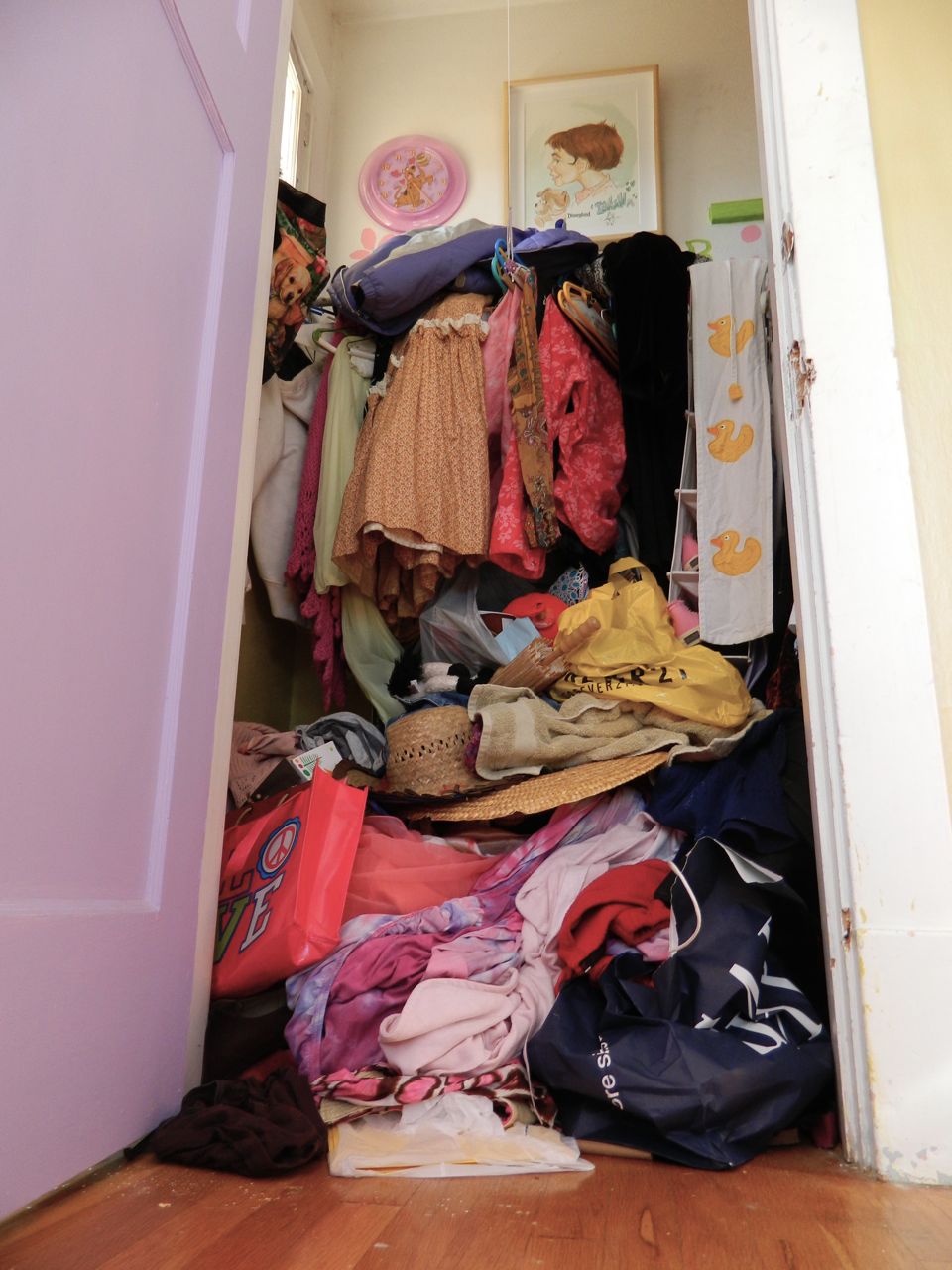 The last thing we cleaned was the closet, and I’ll describe it this way: an accumulation of stacked & compressed items from different phases of Isabella’s life, formed in a way not dissimilar to sedimentary rock, each layer a unique record of the raw materials, pressures, and environmental conditions of that era. We excavated down through the sequins and tulle of The Dress-Up Years, the plastic-y limbs and tiny clothes of The Doll Years, the anxiety and training bras of the Pre-Teen Years.
Finally, we hit bottom, and there in a corner we located what was later appreciated to be the epicenter of mouse activity: a forgotten bag of Halloween Candy, cir. 2007. There was very little left, just some hard candy and chewed wrappers, but it was enough to tell the story.
The first thing I know about mice:
They love Halloween candy more than kids do.
After throwing out all the trash, hosing down the floors with disinfectant, and organizing Isabella’s room for maximum visibility, the next step was catching “the mouse.” I bought a couple of live traps at Lowe’s for $10, loaded them with peanut butter, and placed them along the walls where the mouse was likely to run.
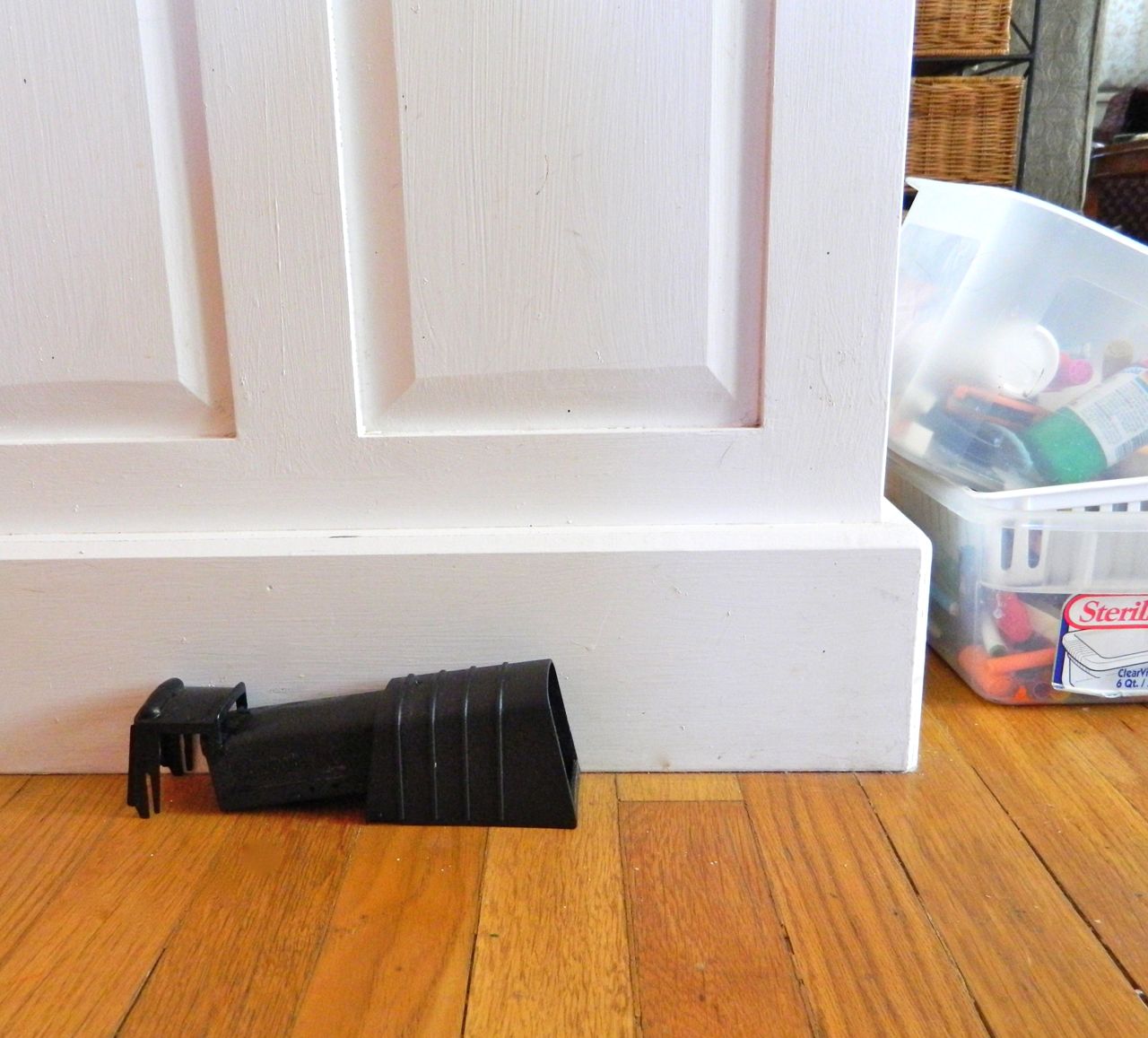
Boom! Within 24 hours, I’d caught “the mouse”. Then another. And another. Which brings me to the second thing I know about mice:
There is never “a mouse”. If you see one, know there are at least three more keeping it company. They are pack animals.
I was soon hearing weird noises in the middle of the night, had they always been there? No, it seems that since I’d disrupted the food source, the mice were scrambling to find other things to eat, raiding the dog food, lifting furniture, opening cabinets as they saw fit. I kept the traps set. I stopped feeding the dogs. I caught more mice.
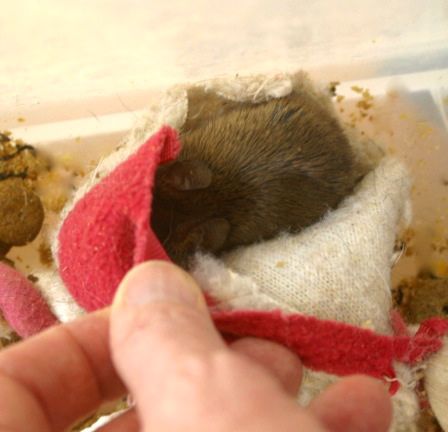
I set up a holding bin on the back utility porch where I housed the captured until I could give them a second chance at left elsewhere. Catch and release. The fact that it was winter presented a slight problem because obviously, dumping them outside (at least one mile away or they would come back, if the research is true) would mean certain death. But I had an idea.
My loose plan was to relocate the captives, in a highly illicit and clandestine effort, to one of the zoo buildings, like that weird, steamy tropical room with the tarantulas. Then nature could just take its course and their fate would no longer be in my hands. Granted, they would’ve been at a slight disadvantage, as toucans and monkeys are not likely among their natural predators in New Mexico, but whatever. I could only do so much.
I ultimately decided against that plan because I didn’t want to risk exposing the exotic zoo animals to the rebellious and subversive attitudes of urban mice who might incite an Occupy Zoo movement, demanding freedom and equal distribution of treats, protesting by turning their backs to visitors and giving them the finger until their demands were met. No, I couldn’t be responsible for that. I chose instead a local greenhouse where the mice would stay warm through the winter, then move outside when spring came and the food ran out. (Yes, I left food at the greenhouse. And bedding material.)
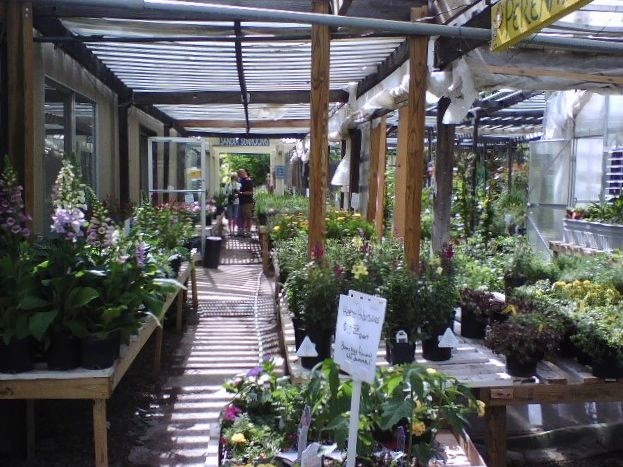
Isn’t it beautiful? I would like to live here.
The third thing I know about mice:
They are smarter than me. Case in point:
I hit the anxiety apex one morning when Isabella screamed from her bedroom, “Mom, a mouse in my chair!” I went to investigate, removed the large cushion of her [seldom used] reading chair, and what did I find… but a nest… with two… babies in it?! YOU’VE GOT TO BE KIDDING ME. Holy crap, this was more serious than I’d thought. The obvious dilemma of what to do with these tiny, helpless, blind creatures was more than I could contemplate at 6 a.m. So I just put the cushion back and lapsed into a convenient fugue state, behaving as if there were not two fetal-esque beings in my house that might be flushed down the toilet by a different, stronger person, one not so steeped in denial and Buddhist flavorings, and left for the day.
After regaining my senses at work, I analyzed the situation and came up with a brilliant idea for a homemade trap: I would put the babies in a long, cardboard wrapping-paper tube sealed at one end. The mother would surely come into the tube to care for the babies and I would simply lift the tube to catch all three. Perfect! So, I went home and did just that, gently lifting the two babies with a plastic teaspoon and placing them with some chair fluff in the cardboard tube. I left the room. Two hours later I came back, quickly lifted the tube and looked to the bottom, but it was empty — no babies, no mother. In a panic, I searched the area and soon found them… in the nest. The mother had simply gone into the trap, taken her babies, and put them back.
I tried to catch the mother once more using the same strategy (checking the trap after only 20 minutes), but she was smart, and again, I found the tube empty. And this time, the babies were not in the chair. They were nowhere. I searched the entire room, the furniture, the clothes, the clean closet floor. Nothing. They had simply disappeared.
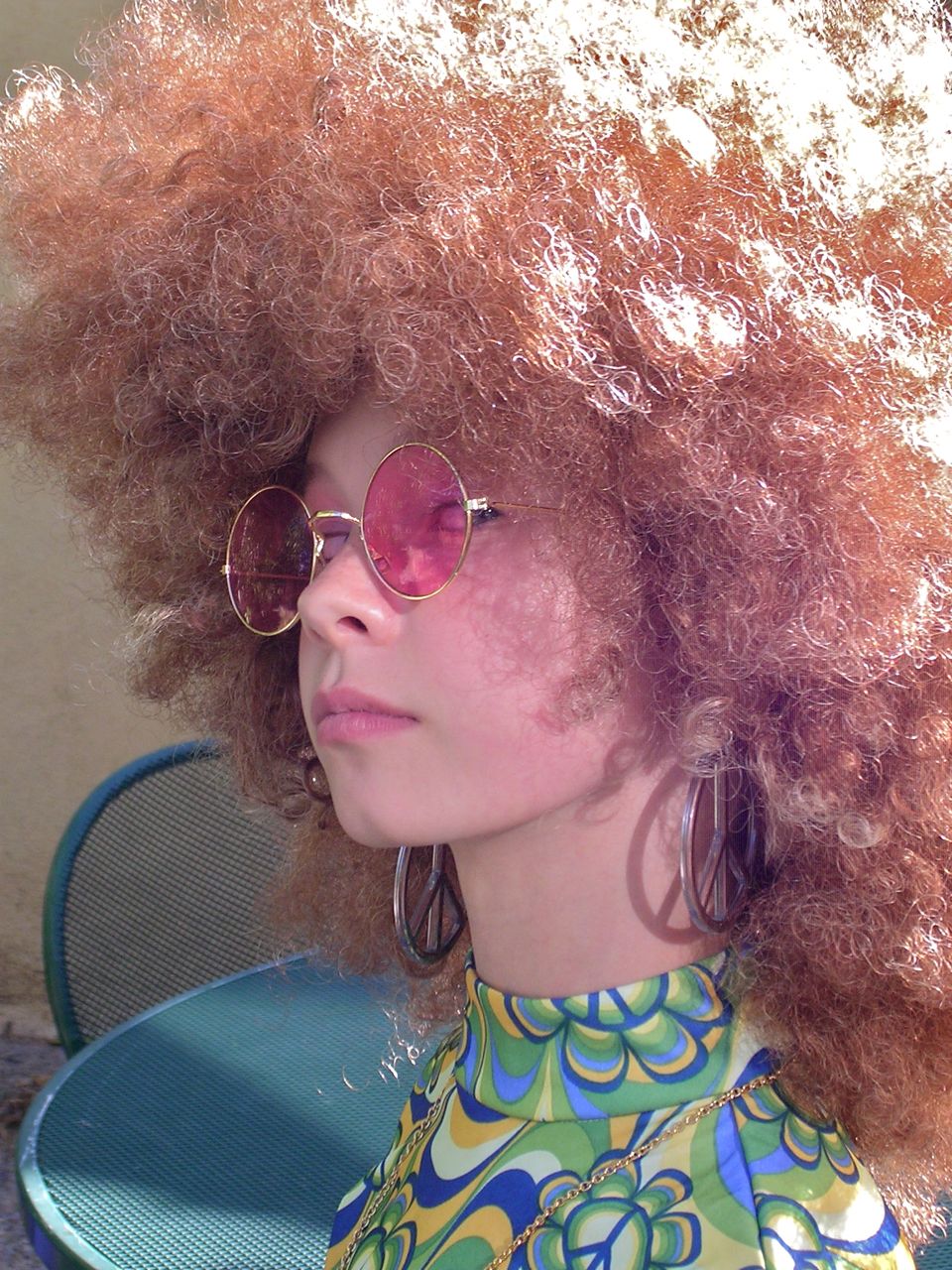 Three weeks later I was standing on a high stool searching the top shelf in Isabella’s closet for one of her dolls. As I lifted the wig pictured here, two sleepy, adolescent mice dropped out. Surprise! Our eyes locked in mutual alarm. By then, my reflexes were finely tuned and I immediately grabbed a plastic trash bag and scooped one of the mice into it with a piece of cloth. But the other one, upon whom natural selection was clearly smiling, jumped off the shelf and flew directly at me.
The fourth thing I know about mice:
They can fly. They are brave and they can fly.
That’s right, given the opportunity and a high enough launch, mice will leap directly at you, soaring through the air toward an unsure landing, secure only in the knowledge that you will shriek and/or flail like a headless chicken, jump in the opposite direction and/or pass out, clearing their path to freedom. That’s exactly what happened here; the flying mouse got away while I shrieked, flapped, and hit the wall. I’m lucky I didn’t break a leg.
Eventually, all the mice were captured and removed from our house, old-house nooks and crannies were filled with spray foam, outdoor tunnels that they had literally dug into the basement were found & filled, and the bird feeder (attracts mice) permanently removed. So we win.
But I can’t help but harbor and a sense of awe, respect, even, for that mouse, the devoted mother who twice recovered her babies from the trap, the second time managing within 20 minutes to carry both to a high, wiggy nest where I did not think to look. Had she pre-chosen that place, or was it found it in a moment of desperation, when experience had taught her that the babies were no longer safe? She must have been watching me the whole time as I set up the trap, laughing a shrill and affected laugh. Waiting for me to leave so she could execute her own plan. The fifth thing I know about mice:
They learn.
This fact was demonstrated by not only the mother mouse in this story, but the whole bunch of them. Over time, the live traps became less effective because, I’m convinced, word got out in Mouse Town that those who went in to the dark, peanut buttery caves of pleasure never came out. I had to resort to other methods for the last catches; I won’t go into details, but you can contact me directly if you need advice.
UPDATE: Mice sing! Check out this National Geo article about their vocal similarities to dolphins, whales, and people.
High Five image by Adrian
Valentines & Other News
It’s a sunny January 25 in Albuquerque and I’m off to meet my friends Kei & Molly of Kei & Molly Textiles for some tea and art-talk. Kei and Molly have put together a show this month featuring the work of Live Clay, Paper Turtle, and 9 more artists. The “Local Love Bazaar” will take place on Sunday, February 12 from 1-4, 5321 Acoma Rd SE. I’ll be selling ceramics as well as papier-mache, so if you’re in town, stop by and say hello! Here’s a studio shot of Kei & Molly’s beautiful, hand-printed tea towels and scarves (they do the designing and sewing, too).

I’ve never participated in a Valentine’s-themed show before, and usually avoid heart-y things because they tend to be… heart-y and sentimental and cliché. But I thought I should come up with something unique for this because, well, just because it’s 2012 and I’m daring to dream. So, here’s what I have in the works so far:

The Original Distorted Heart™ by Live Clay: The Tread-Upon (vehicle/athletic shoe/stiletto); The Torn; Torn and Mending; Warts and All; Regeneration; Curling In On Itself; and Absence Makes the Heart Grow Warp-y. As you might imagine, the possibilities are endless. These hearts were fun to make, and the titles are indicative how they were constructed, i.e., The Tread-Upon (vehicle) was run over with my truck, the Torn and Mending was torn and put back together, etc. Still thinking about how I will finish them (raku or electric fired? Colors? Wood-fired would be nice…), and I imagine some will be pendants while others will be magnets (gender-inclusive). If I’ve really got my act together, maybe I’ll come up with little descriptive cards for each.
Meanwhile, other studio things in progress are small (1″ x 1″) pendants.

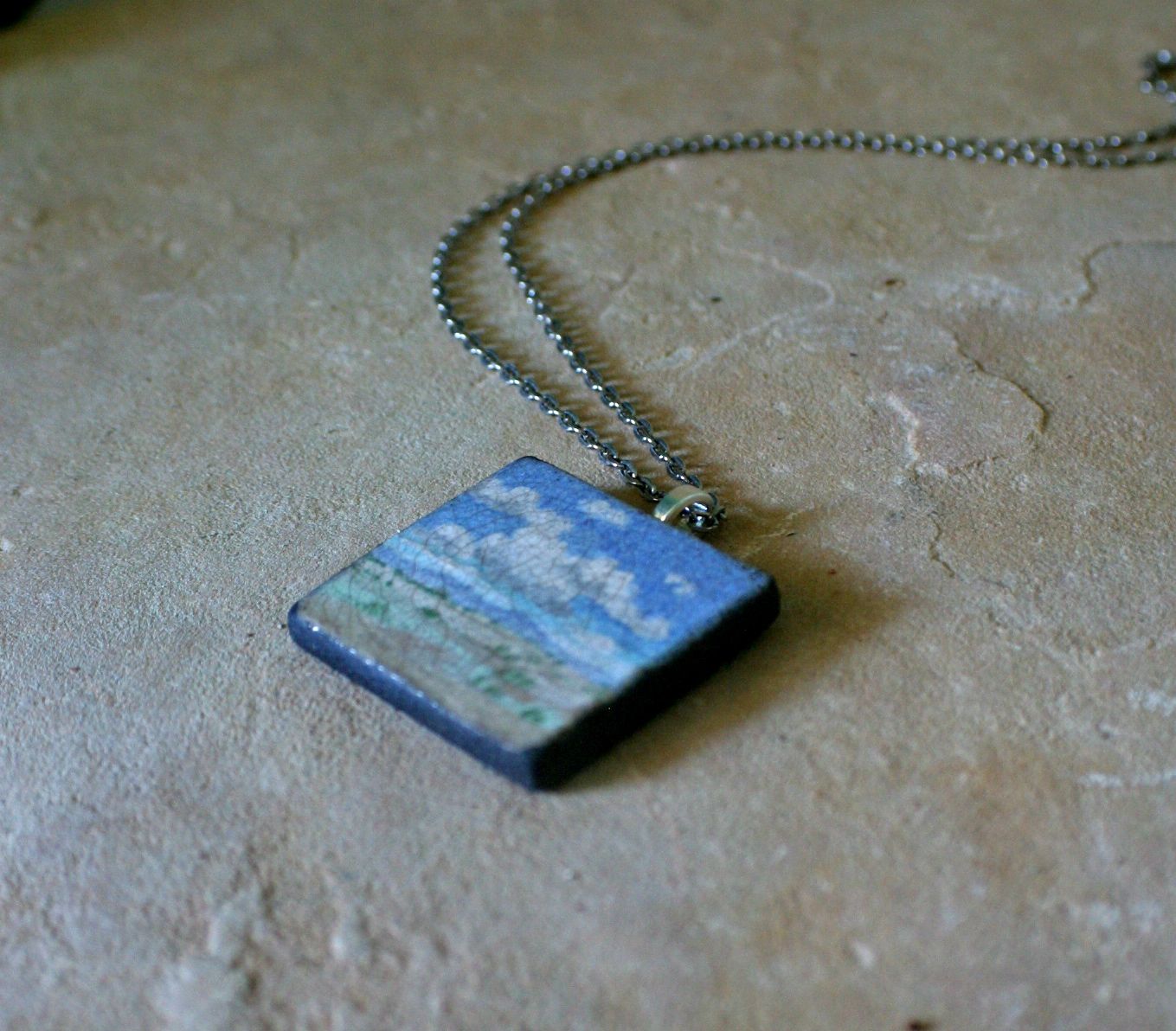
I sold these in my Etsy store last year (or was it 2010?), but they’ve been out of stock for a while and a few people have requested. Last year, I also collaborated with the talented Barbara Jacobs of BMJNYC on oval pendants. As a sample, I made a cloud pendant, she created an amazing silver branch frame.
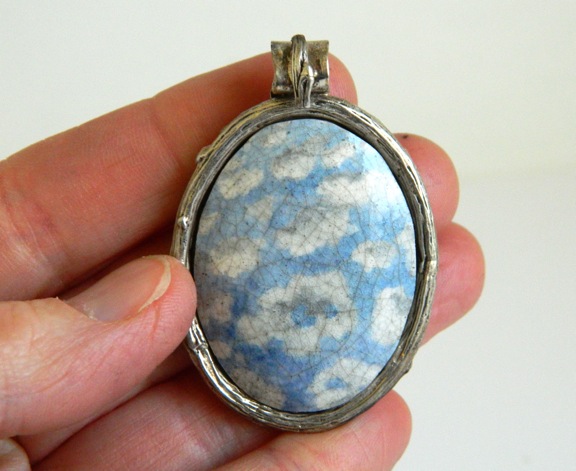
Unfortunately, I didn’t have enough time to pursue this exciting idea, but I hope to do so this year.
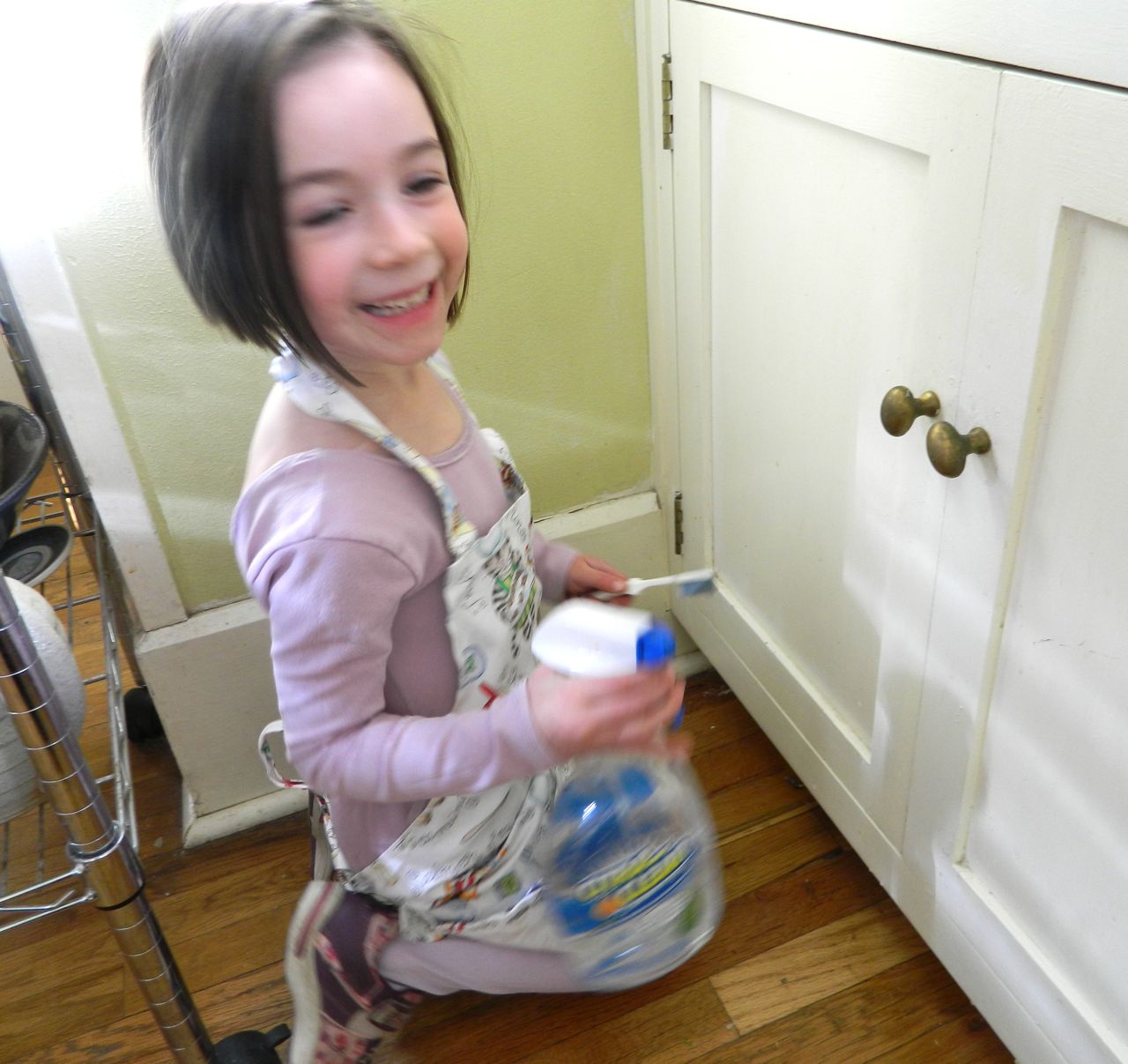
On the home front (which happens to be right next to my studio), new plans for this year include inviting my young and nimble-fingered nieces over more often to play “The Cleaning Games.” You’d be amazed at how three small girls with toothbrushes and a few sponges can whip a kitchen into shape. Anyone who knows me, knows that I can’t stand cleaning because a) It’s boring and I’m not very good at it b) I have no time and c) even if I did have time, I would choose traveling or gardening or putting a nail through my forehead over house cleaning.
The most appealing thing to me about cleaning is the book I’ve been compiling in my head for years entitled, That Comes Off?. It’s mostly a memoir-style collection of startling revelations that occurred when, during rare and fanatical house cleansings, some bit of color or texture that I had long-accepted as an intrinsic component of a thing… was revealed to actually be dirt/food/whatever.
Anyway, Cleaning Game challenges include The Vacuum Race, Ice Skating with Rags, and Baseboards Need Love Too. The girls (ages 7, 6, 4) can’t get enough of it. They compete for things like control of the spray bottle or the privilege of crawling all the way into a cabinet to clean the corners. I offer prizes, they beg to play. It’s a win-win for everyone.
And finally, the foodie in me is excited to share a new breakfast that both Isabella and I have been loving.

It’s composed of a couple spoons of Fage brand Total 0% Greek-style yogurt (the only fat-free yogurt that I think tastes good); a handful of blueberries; a scoop of Chia seeds; a little raw, unsweetened coconut; honey; and a side of walnuts (reportedly an excellent ‘brain food’, I need all the help I can get). It’s a great alternative to nutritionally void bagels or high-carb cereals, packing more than 20 grams of protein and a huge range of vitamins, minerals, healthy fats, and antioxidants into one little dish. I’m trying the Chia seeds for the first time, after reading about them in Born To Run (excellent read, even if you’re not a runner) and a little research into the health benefits. You can find out more about this complex, ancient food here or googling for yourself.
Production Mania
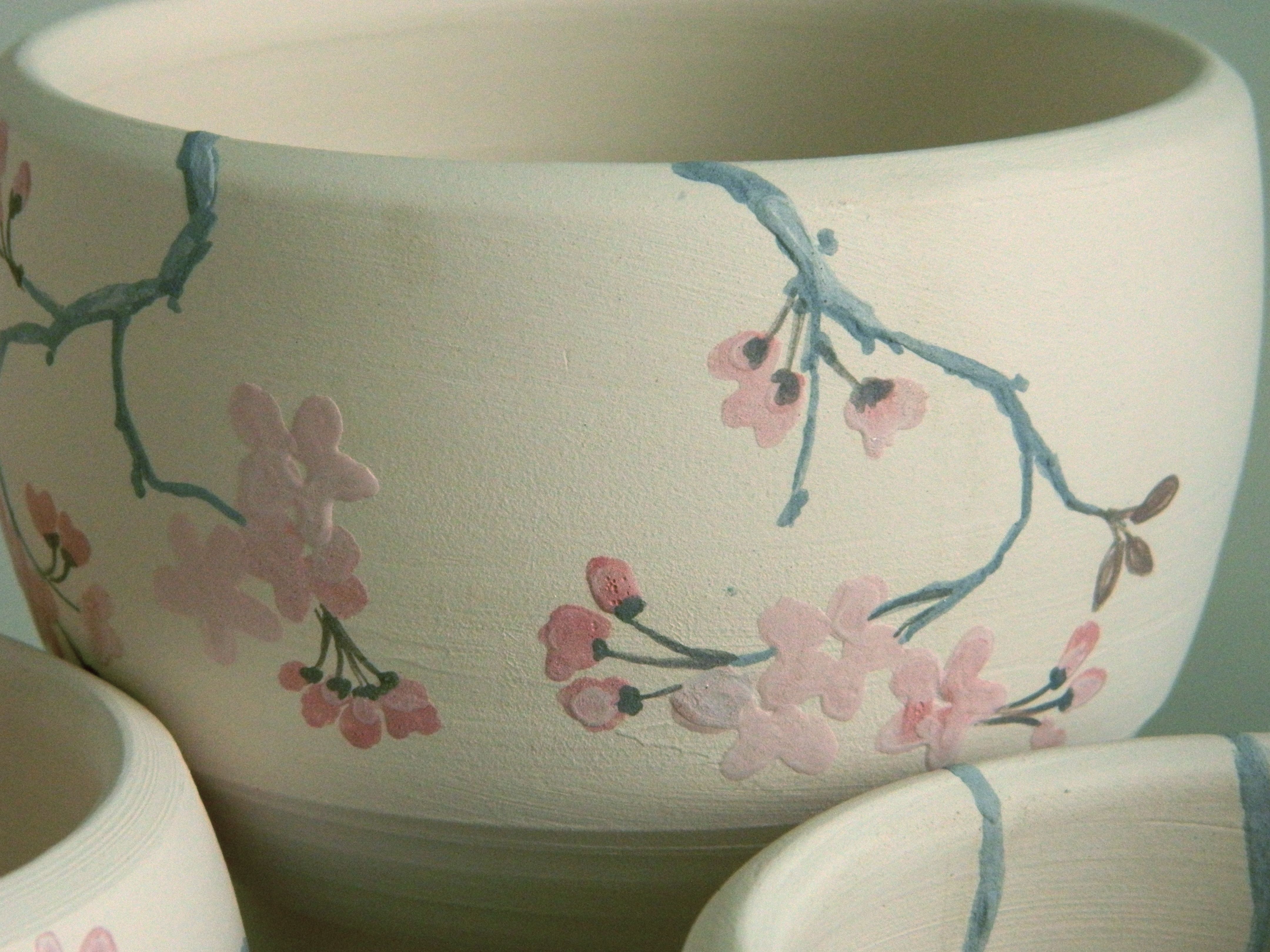
In just a few minutes I’m off to raku fire (outside, in the cold :() but before I go, I thought I’d post some pictures of what’s been keeping me busy in the studio lately. It’s been nuts lately with 12-hr days and little time to myself because, in the midst of putting in extra hours at the desk job and the end of basketball season and fundraising sales for Isabella’s school and the truck needing a new alternator AND new battery and a bit of shopping and not getting a live Christmas tree because I’m always so conflicted, I thought it might be nice to have a dozen or so new landscape tiles for my Live Clay Etsy shop as well as something special to list just for the holidays (I tried to do this earlier, like in July, but you just never know when inspiration is going to strike and in this case it struck precisely on December 2 when I realized that I’d forgotten to bring in poor, now-dead Last Year’s Poinsettia which had spent a triumphant summer under the apricot tree, I just can’t bear to throw them away) which turned out to be blossom bowls because I’ll tell you, when it’s cold and dark and December 21 the shortest-day-of-the-year is still off in the distance… I think flowers.


I love looking at work before the final firing because they don’t always make it… cracks, glaze snafus, kiln misfirings, misalignment of the stars. I always thank my equipment and the elements before raku firing.


I wonder how many of these pieces will turn out? Unfortunately, this tiny urn didn’t fare so well due to moisture trapped in the foot. It was an “extra,” in case the first one doesn’t survive the raku firing. Wish me luck.
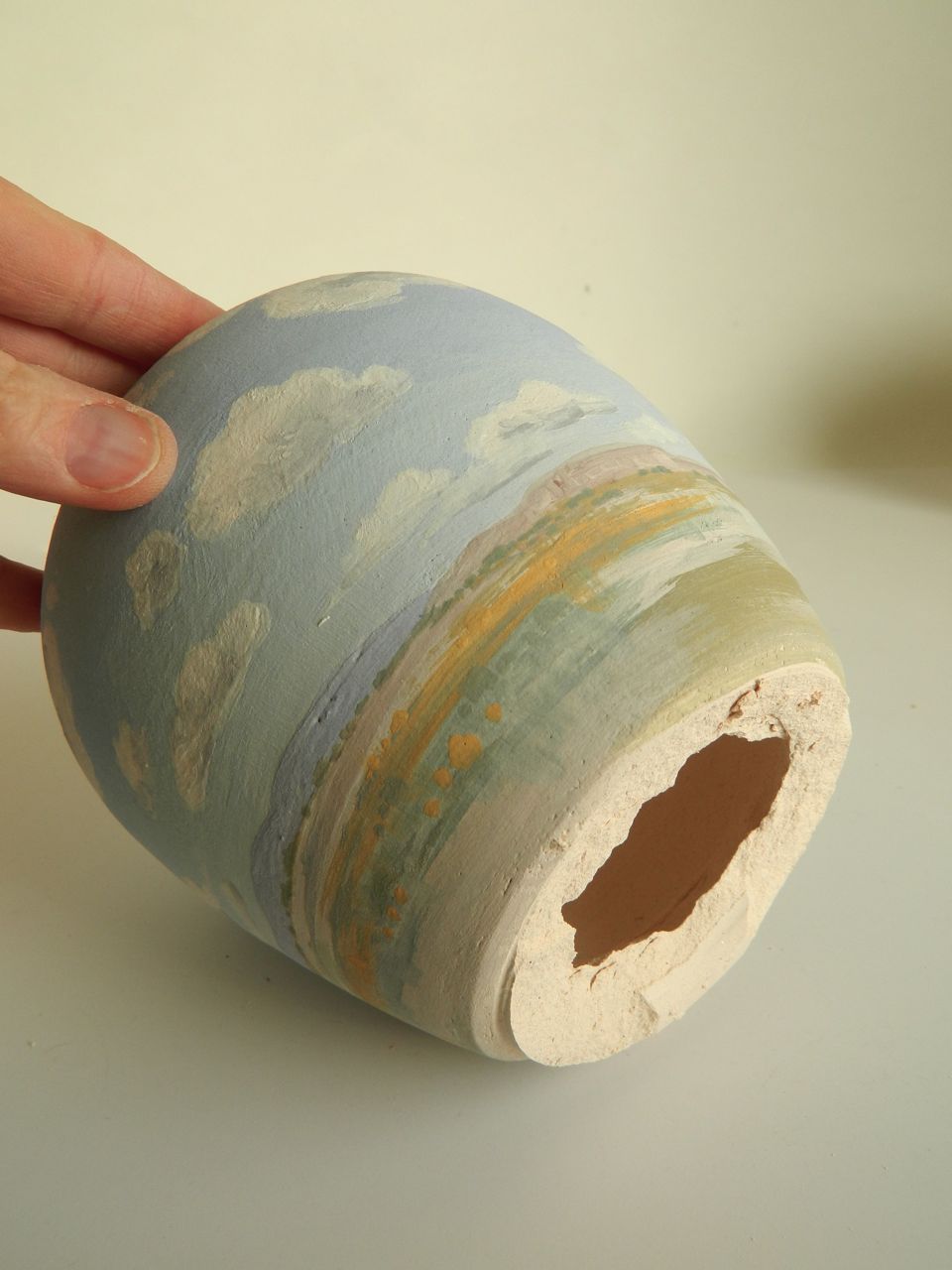
That’s the thing: for every one piece that makes it to a gallery or store, there was time, effort, and emotion (not to mention 20 years experience) invested in others that didn’t survive one of the many trials and tribulations faced by an emergent piece of ceramic art. I hope people realize that when they wonder why a piece is priced the way it is.
So, here we are. I hope you are having a wonderful and busy That Time of Year Again. I will leave you with my 2011 Christmas card, a picture I took of a painting at the Oloffson Hotel, presumably of The Last Supper (click to enlarge). It’s a perfect example of the way Christian traditions were absorbed into native religion. I especially love the spirits in the trees, cats under the table, and the girl feeding a mango to a bird. Makes for a much more festive Last Supper, don’t you think? The message I wrote inside is, simply, CELEBRATE. Thanks for reading, and see you next year.

We Interrupt This Trip to Haiti for a Rant
 Last week, my 8th grade daughter, Isabella, played a basketball game at St. Mary’s Middle School, my alma mater. While Isabella is not the most talented or aggressive player, she likes being part of the team and practices just as hard as everyone else. During this particular game, the coach chose to play her only twice, for around 5 seconds each time, while everyone else was rotated in. Needless to say, it was very disappointing for her, as well as for the 8 family members who had turned out to watch her play the last regular-season game.
Granted, St. Mary’s was a tough team and I can understand why the coach would not want to sacrifice too many minutes to Isabella’s special tendencies (getting rid of the ball like a hot potato as soon as it’s passed to her; repeatedly stepping on the line when throwing the ball in-bound; observing rebounds rather than actually jumping to get them), but she does helpful things too. And at this level, the game should still be about having fun, not winning. There’s plenty of time for winning and worst-players-never-play in high school, college, and beyond. I spoke to the coach about this once before, early in the season when he did the same thing to Isabella in two other games. We apparently have a fundamental difference of opinion about the nature of middle school sport.

Isabella felt so humiliated at the end of the game that she was crying, which the team misinterpreted as tears of joy (they won by 5 points). The coach tried in vain to explain his choices, which made as little sense to her as they did me, “You did great for those 11 seconds [then why’d you take her out?],” “sometimes being on a team means you’re the cheerleader [huh?]”, “you have to understand what being on a team means [yes, to us it means that you don’t sit one player on the bench for the entire game, even when you’re ahead by 12 points]”. Like I said, fundamental difference of opinion.
To cheer Isabella up after the game, I took her on a tour of my personal Middle School Hall of Horrors & Humiliations, arranged in progressively ghastly order:
Rm 101 Caught by Sister Annette copying someone else’s homework. Both of us reported to the teacher whose class the homework was for, friend hated me.
Rm. 108 Two best friends and I were wandering around after school one day and found Room 108 still open, inside of which, much to our delight, the lock on Greg Williams’ locker was also still open. Decided to rifle through Greg’s belongings and read everything we could get our hands on, as middle school girls with crushes will do. I, and only I, was caught red-handed by Mr. Ortiz (we thought he was gone for the day), who later told Greg about the incident. (Was that really necessary?) Pretty much killed any hope I had of being Greg’s girlfriend. Ever.

Rm. 210 Sister Mary Dorothy intercepted a survey passed around by Doreen in *religion* class about her former best friend, Charlotte: Who Thinks Charlotte Sanchez Is A Whore? Doreen was a force to be reckoned with: sturdy, heavily made-up, *well-developed*, not afraid of a fight. Not wanting to invoke the wrath of Doreen, everyone signed the petition (including me, I’m ashamed to say), except for my best friend Cynthia. She was the only one who had the courage to stand up to the peer pressure. Sister Mary Dorothy read the names out loud and confronted every single one of us, individually, about our choices.
Downstairs Hallway Scene of the Furry Golden Chicken Halloween Fiasco. This deserves a post unto itself.
We ended the tour back in the now-empty Gym, place of unfulfilling Valentine’s Day Dances, my failed 6th grade cheerleader try-outs, my own brief and mediocre basketball career.
I took this picture of Sad Legs in front of the very same mat that had interrupted many-a forward trajectory as I flew across the gym in sporting enthusiasm.
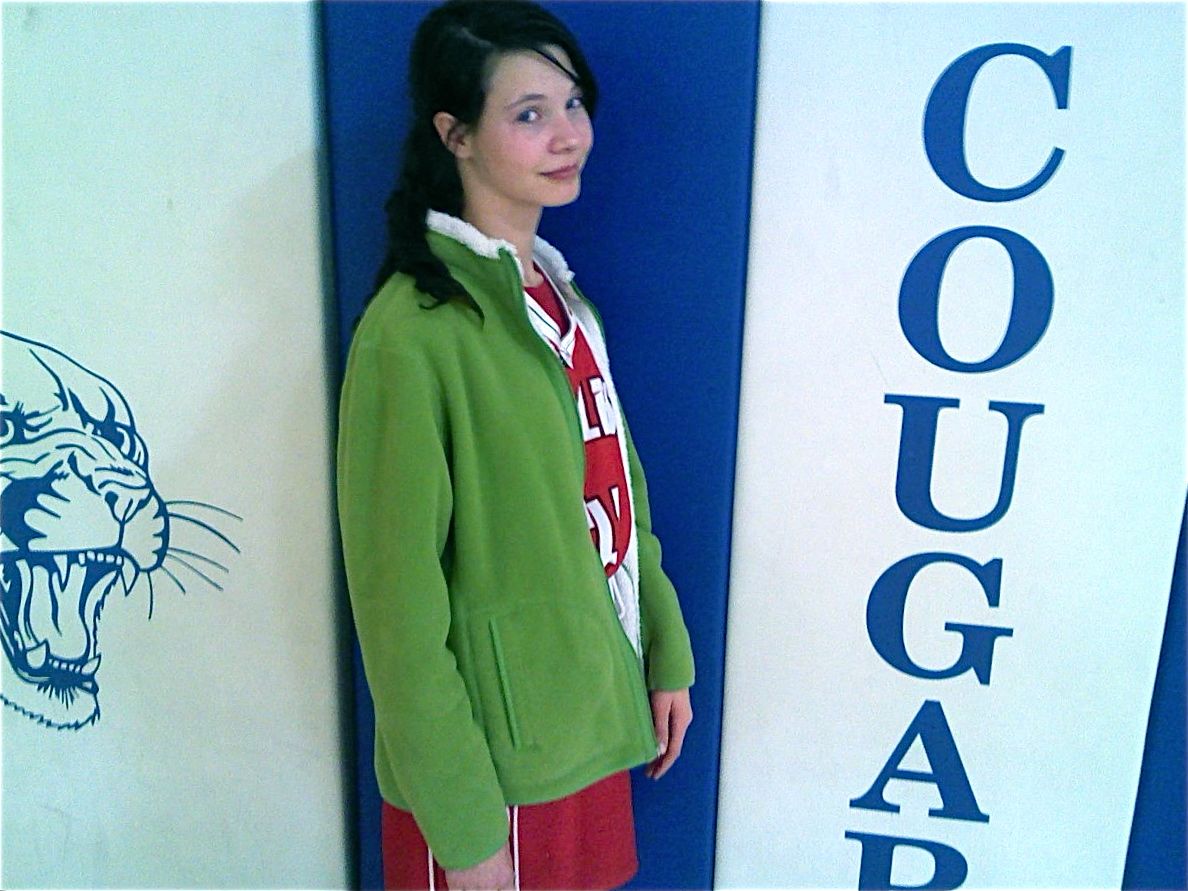
While I liked basketball much more than Isabella does, I fear we share the same athletic prowess and I never made it past the middle school level. In fact, my career was tragically cut short when I was the single person cut from high school tryouts via a list posted on the gym door.

Number 12, with my aggressive game-face on.
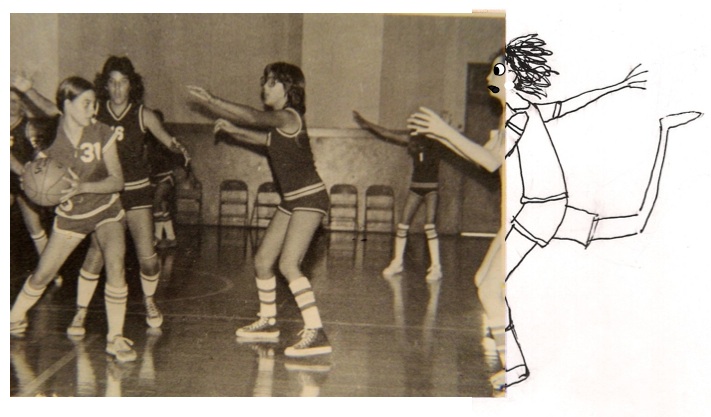
That's me on the right. I went ahead and completed the picture with my likely posture just before it was taken.
It was rather emotional for me to be back at St. Mary’s after all these years, because, I suppose, it was a place of so much adolescent life–that time of extreme vulnerability when stepping out of childhood and into adulthood. Plus, I was sad for Isabella. I’m sure there were lots of good things that happened during my middle school years too, but those aren’t the most powerful memories. No, it tends to be the embarrassments, humiliations, failures and rejections that shine the brightest. Maybe it’s because those were the hardest lessons, deepest scars, broadest wells of regret and growth?
In any case, there are so many hurtful things happening in the early teen years that are out of adults’ control, but this situation wasn’t one of them. It was a choice. We left the gym in the freezing weather, went home to a black-out, and eventually sat around by candlelight laughing about my Where’s Isa-BELLA?! call during a silent moment of the game. A call that caused the coach, in Isabella’s words, to “look around with pupil-shrinking fear, and then he saw it was you...” and the assistant coach to wonder aloud, “Do we know her?“ Yes, I’ve turned into that parent, that person, one of a long, proud ancestry who have always stood up for what they saw as unfair or wrong, even when it would be easier to just let it go (thanks, mom).
Paper Turtle Partners
 This is part 1 of the last, and perhaps most important, post about my recent travels in Haiti. You can catch up starting here if you missed the previous adventures.
For those who don’t know about the partnership I’ve formed over the past two years with Aly Abraham, a small-businessman and art designer in Port-au-Prince, you can read more about it on our web site here. Our partnership, Paper Turtle, grew from my initial contact with Aly in 2009, shortly before the earthquake, when I found him online and commissioned him to create a papier-mache version of my clay turtles. What began as a one-time job has grown into a trans-Caribbean partnership, small business, and “friends for life,” as Aly contrived.
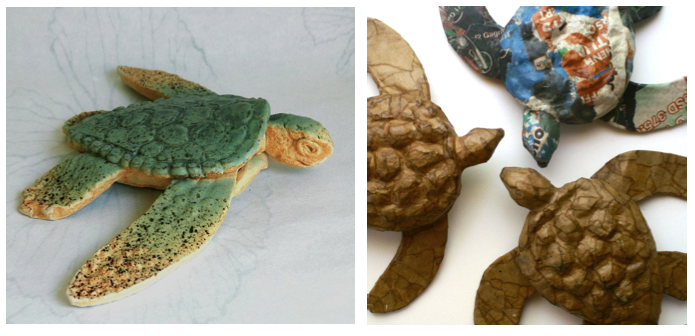
I met Aly in person for the first time this past August, when he was able to travel to the US and join me in New Mexico for a few days. My trip to Haiti in October was the first time I’d been to his country to see where he lives and meet the artisans who work so hard to create the beautiful sculptures we sell.
Before the earthquake, Aly had a workshop where everything was done under one roof: metal sculpture, painting, papier-mache. But the building was damaged in the quake and all of the sections had to be dispersed. Since the focus of Paper Turtle is papier-mache, we visited Barthold, the master sculptor who works with Aly designing, sculpting and making molds. Barthold attended the Ecole Nationale des Artes (ENARTS), where we visited on our first day. He enjoys his work very much and is the talent who brings our designs to life, as well as his own wonderful creations.

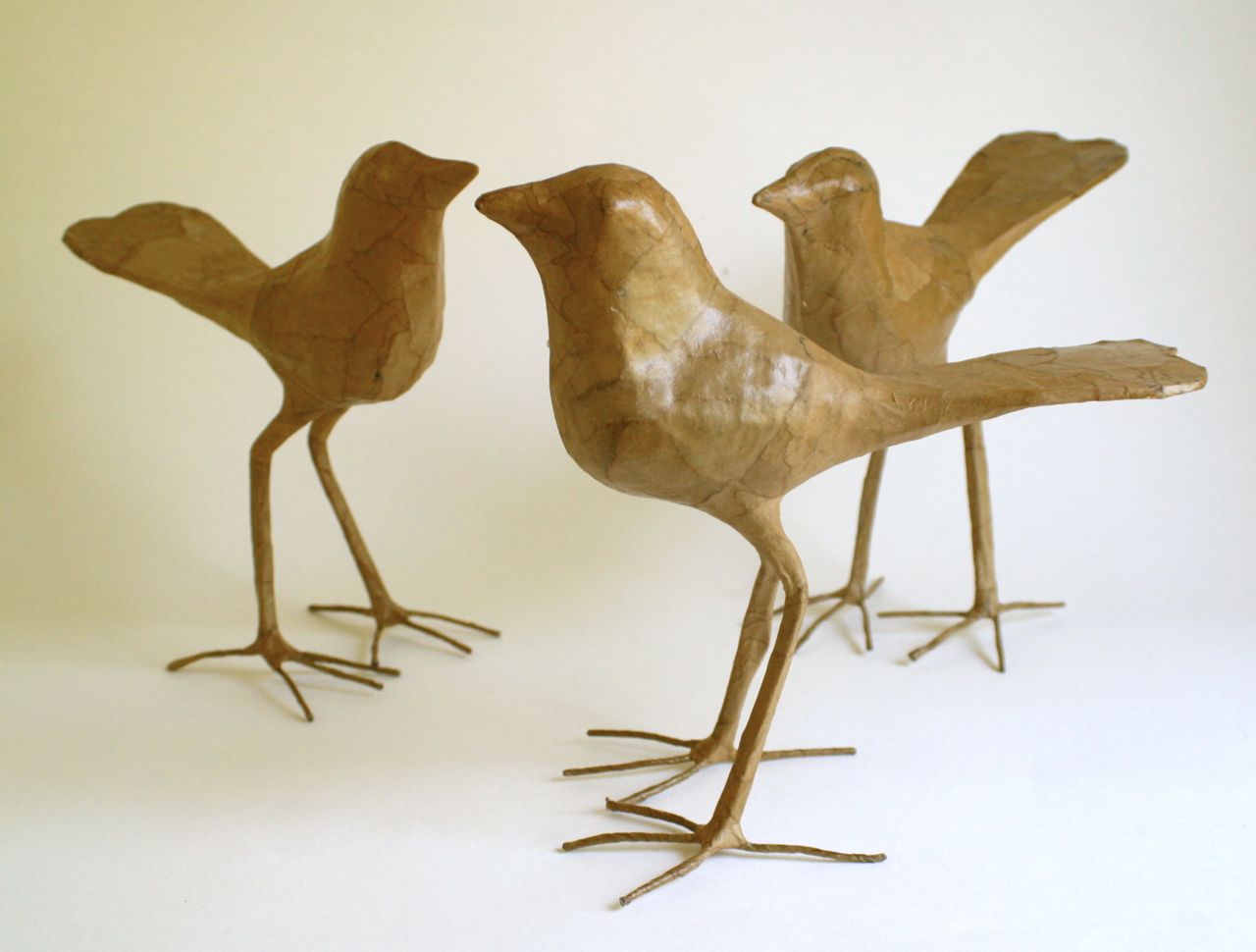
The entire papier-mache operation is now located at Barthold’s home in the hills of Martissant, a district of Port-au-Prince. We stopped there on the way back from Jacmel, navigating ungraded roads and the usual plethora of cars, people and street merchandising to get there. The actual road to Barthold’s house is so rocky (eroded down to the bedrock) that it’s unnavigable by car. So we got out and walked up the hill.
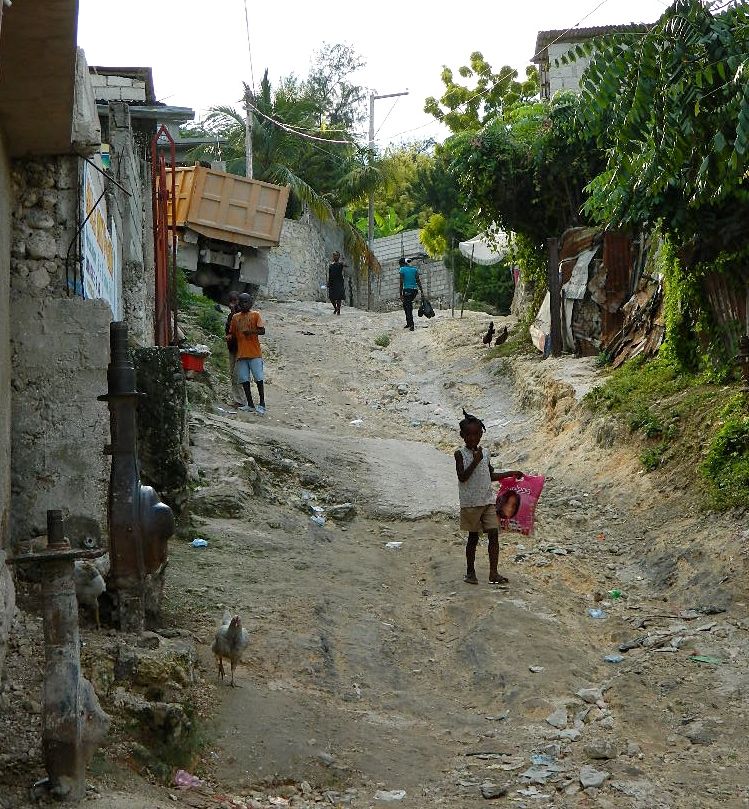
Then another hill.
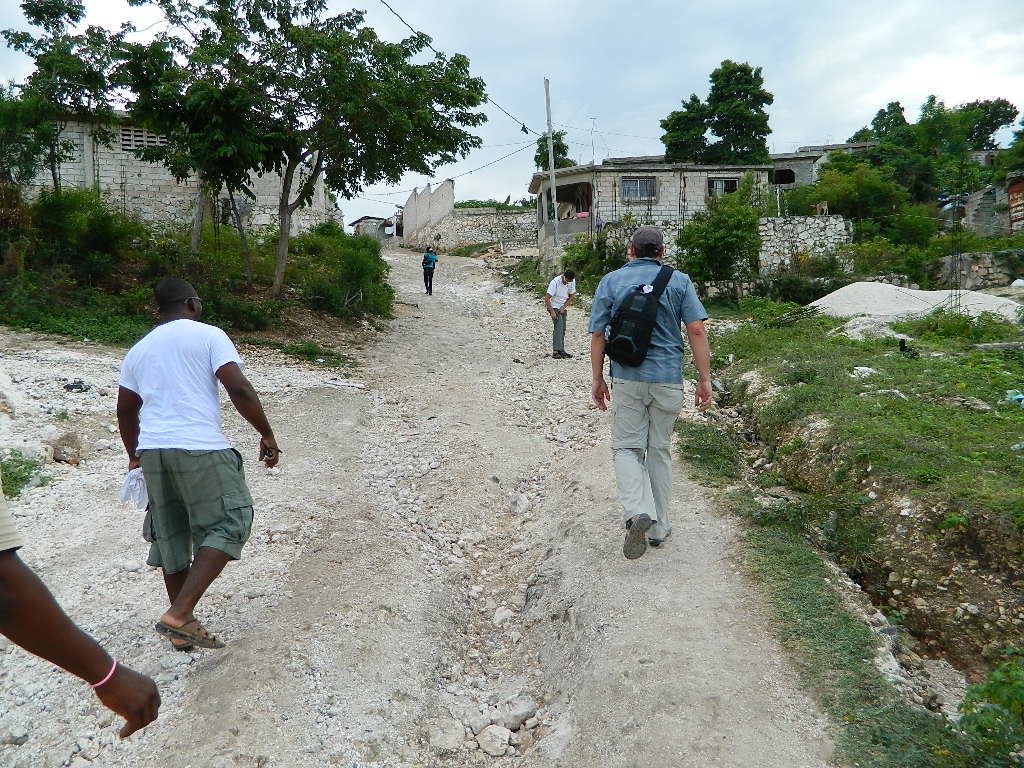
And one more. It was hot and very humid and I cursed my jeans every step of the way (what was I thinking??)
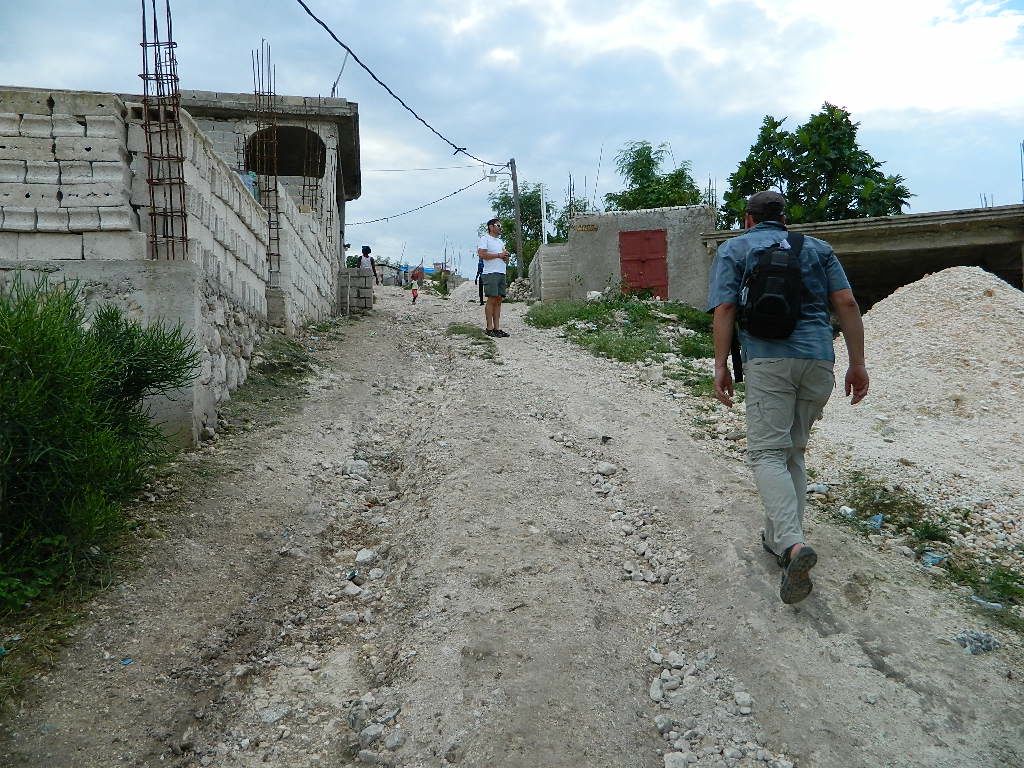
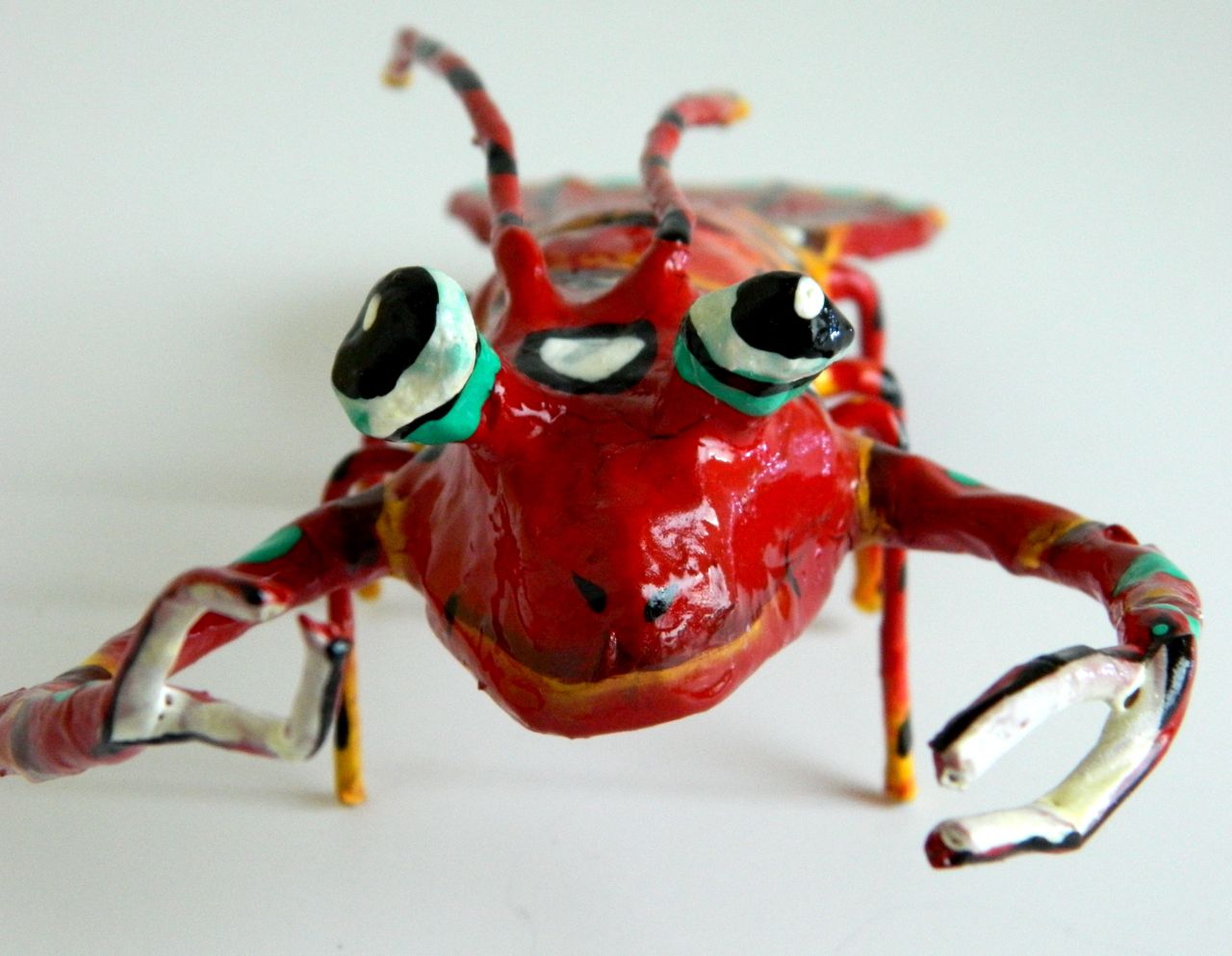
One-third of a steep, sweaty mile later, we arrived at Barthold’s house, where children were running around (he has five), and a helper was painting excellent tropical ant-spiders.
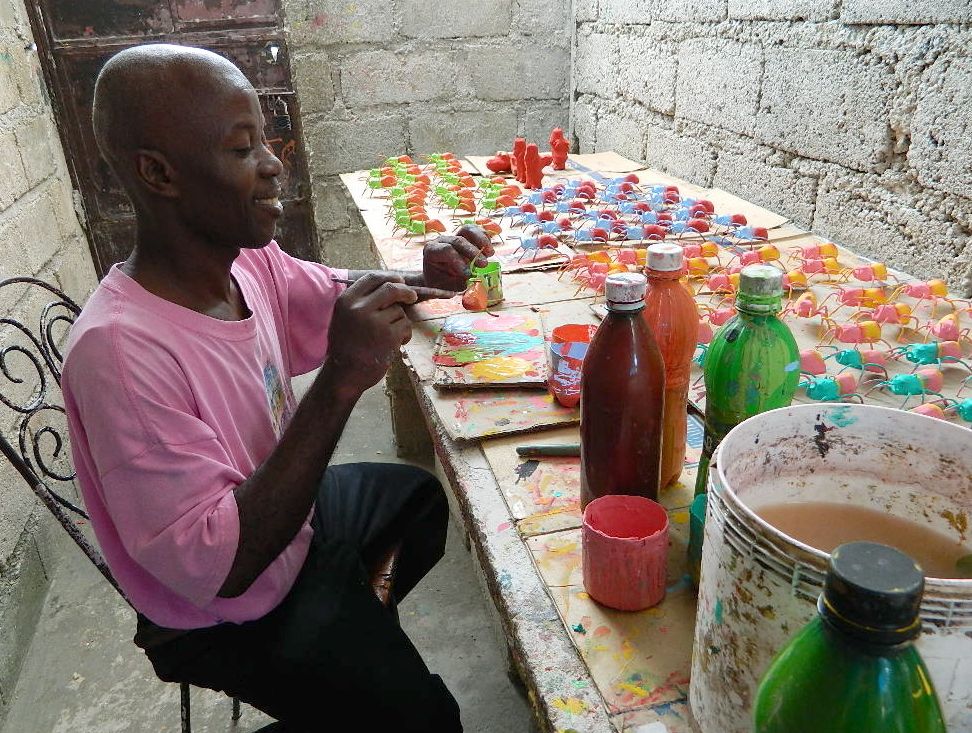
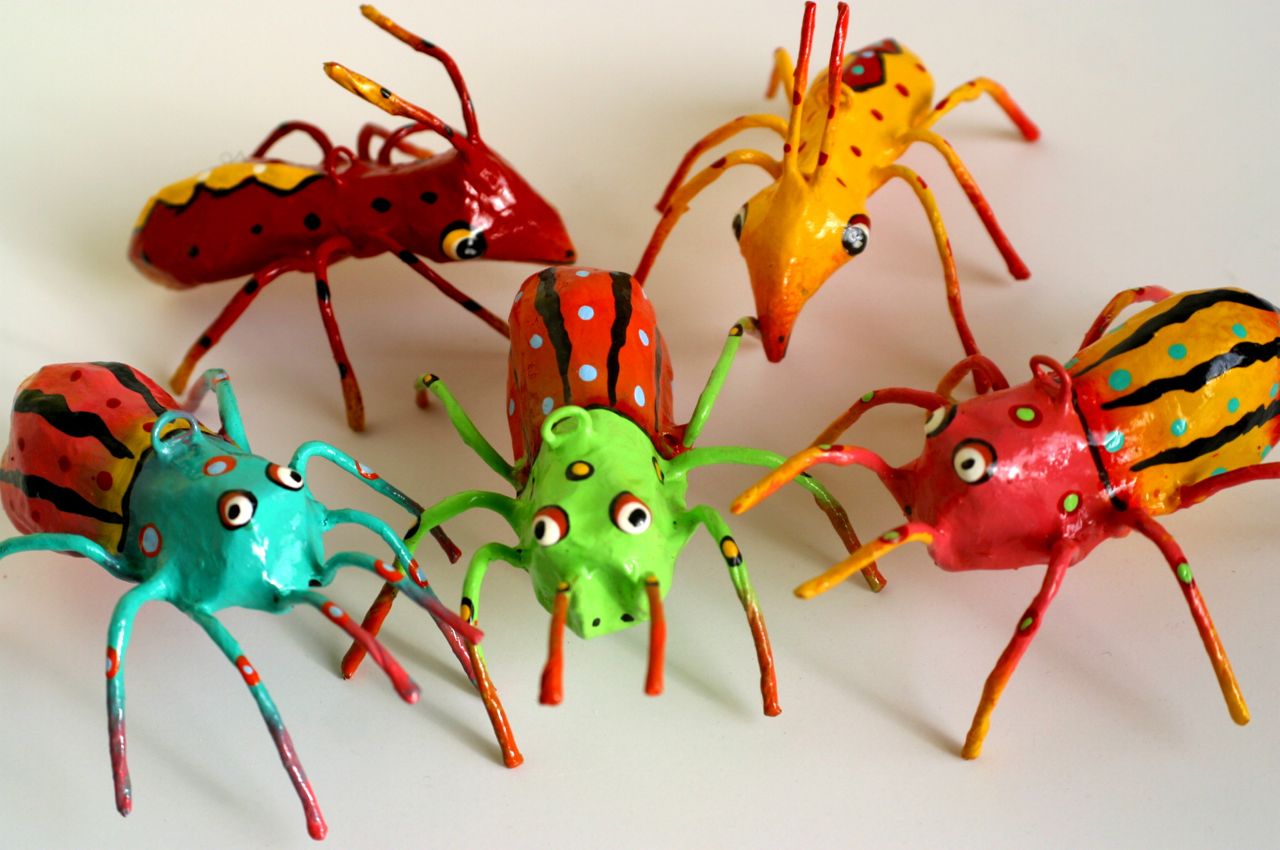
It was my great pleasure to meet Barthold in person–the shy and soft-spoken artist I’d heard so much about. I was able to bring profit-sharing from our Paper Turtles Etsy store and, just as importantly for me, I was able to tell Barthold (through Aly) that what he does matters. That his art is beautiful and people admire it, that I appreciate how hard he works, and I’m working hard for him and Aly, too.
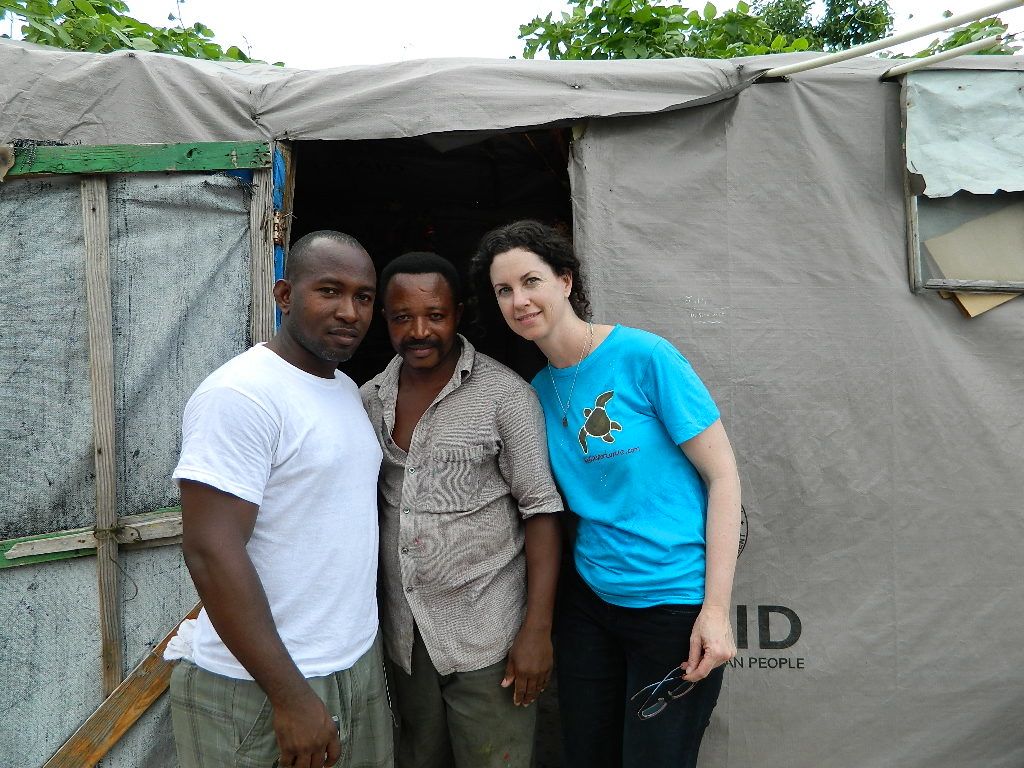
My appreciation for what Aly and Barthold do grew by about 1,000% when I looked around and took in the workspaces: an open-air painting station under a tarp; and a 20′ x 20′ or so very-hot-hut made of US AID tarps, crammed with work in various states of finish.
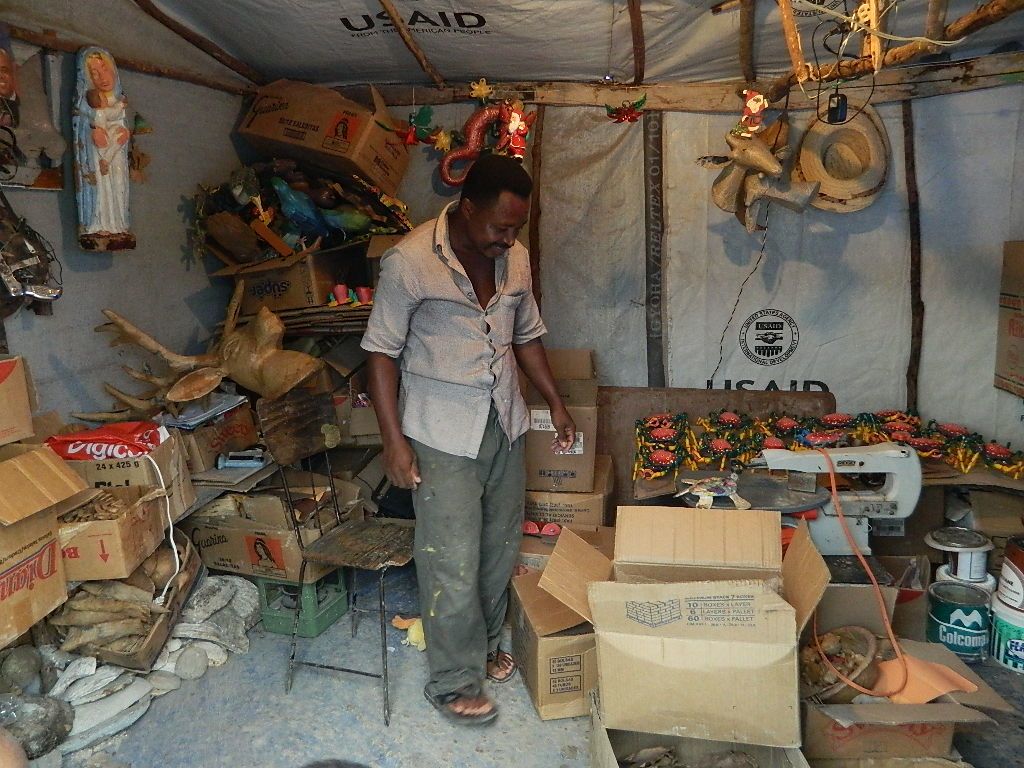
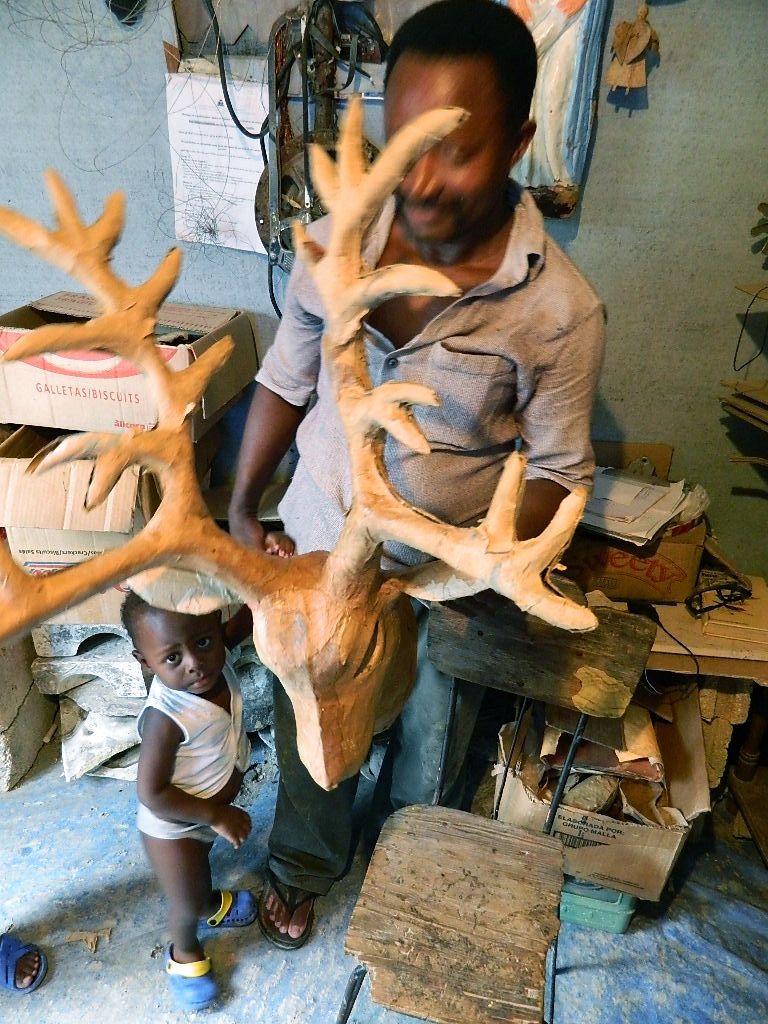
A beautiful deer in progress.
Sculptures dry outside on the wall, an obvious issue when it rains. Aly wants to buy Barthold a fan so he can dry things more quickly under the tarps.
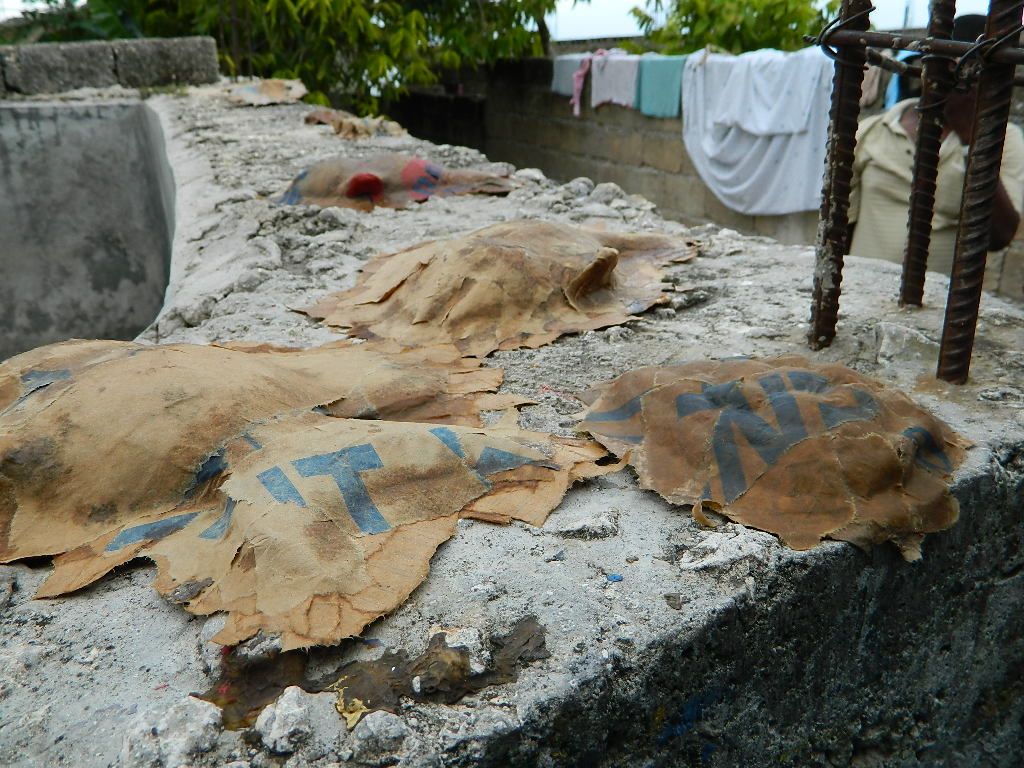
Incidentally, when I got home, I found that an awesome customer sent us a $100 donation (thanks Cindy!) which will be used to buy a fan.
Three artisans help Barthold with the papier-mache, as well as his older kids who sometimes help after school, and his wife, Anneleese, who paints.
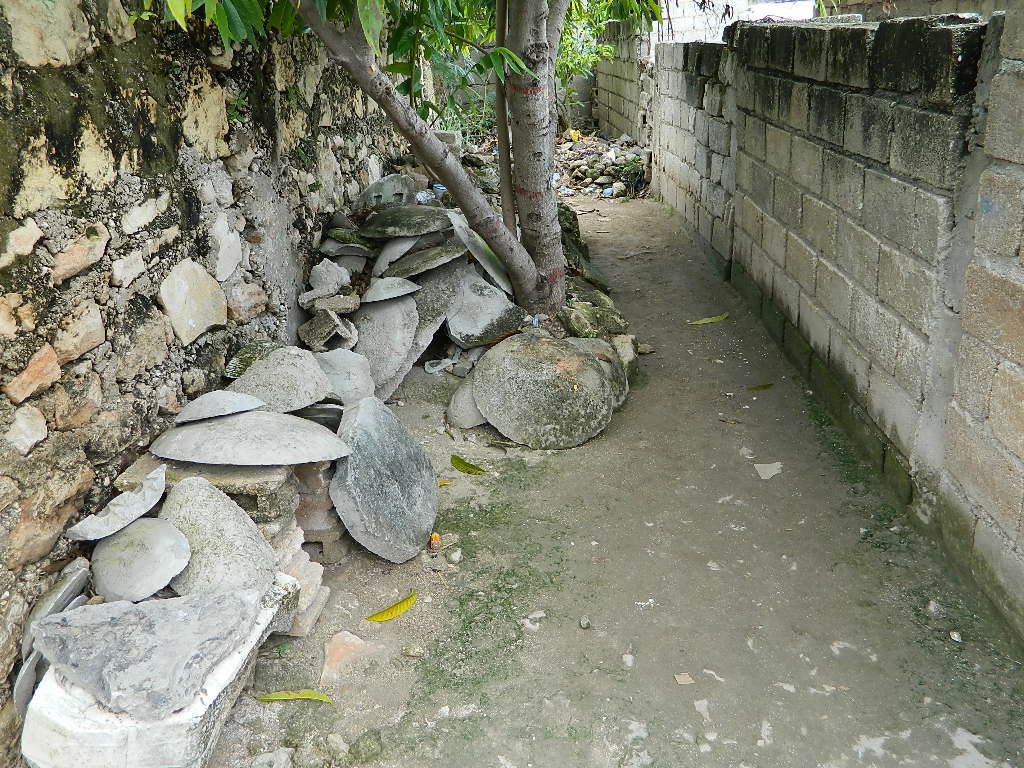
Cement molds. Sculptures are a combination of molded and hand-cut pieces.
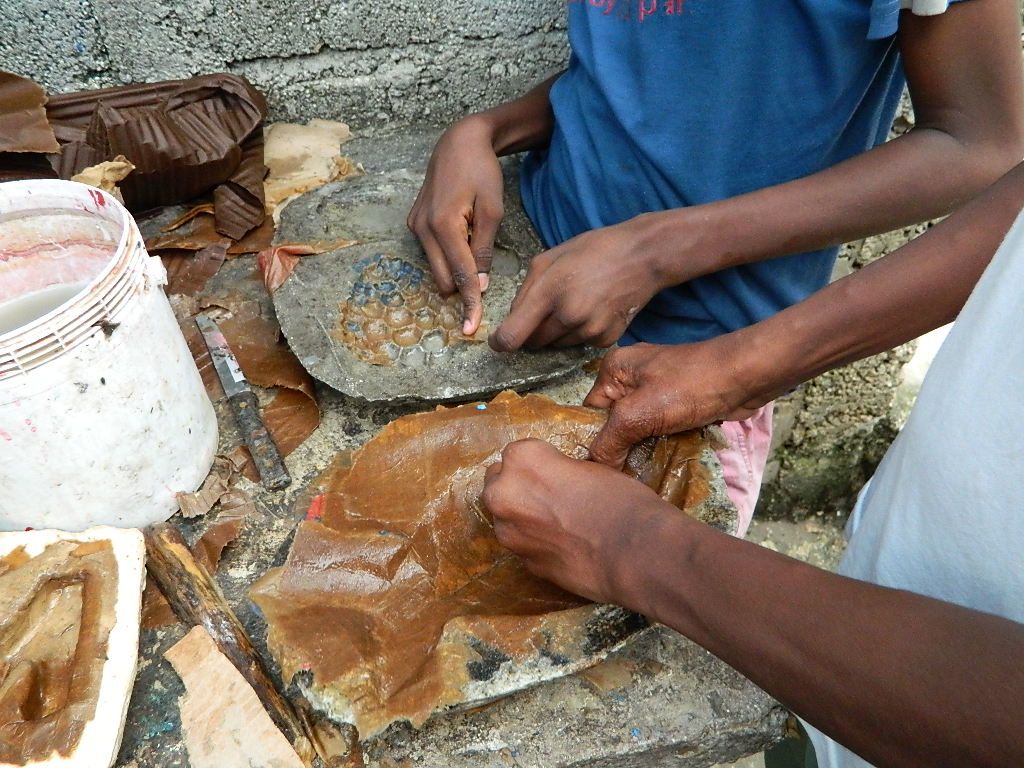
A fish and a turtle in progress.

A fish in progress. The sculpture is made of recycled cement bags or newsprint.
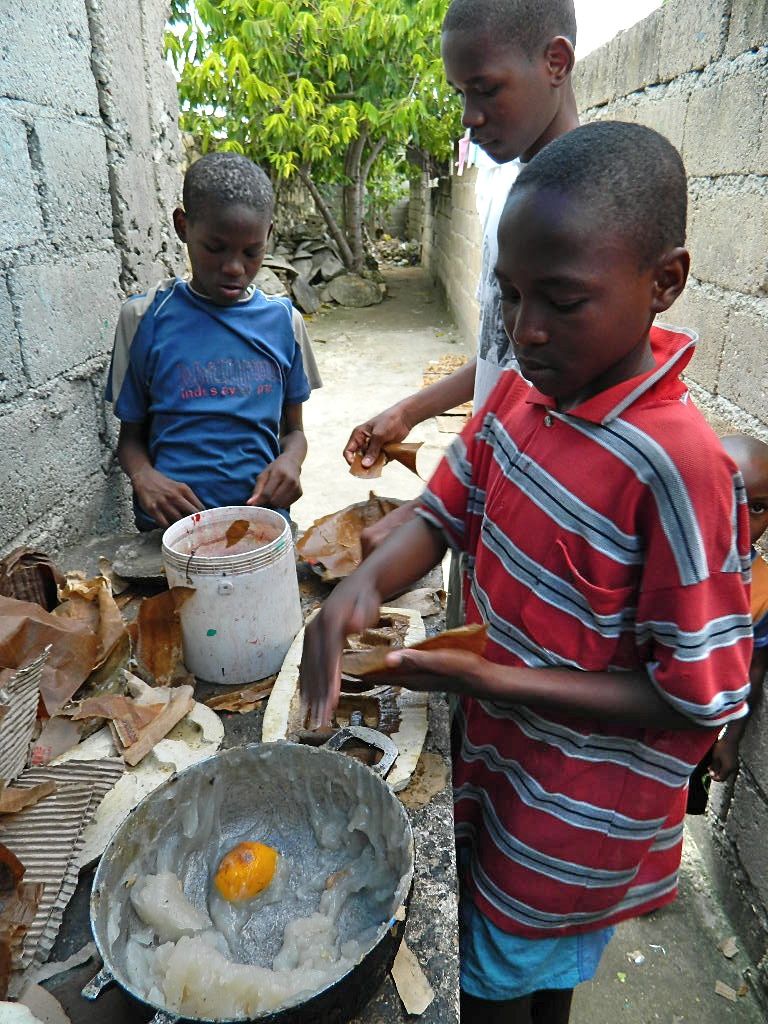
Papier-mache paste is a combination of glue and starch from manioc, or cassava, a tropical shrub whose tuberous roots are packed with carbohydrates and harvested for food.
I also occurred to me that every time Barthold finishes an order and is ready to ship, either he must carry the boxes down that 1/3 mi hill, or Aly must climb up and carry them down. Aly’s truck was smashed in the earthquake, so he takes a bus or rents a car to get to Barthold’s neighborhood. I was amazed that anything at all happens there, let alone the production of work in the amount and quality I receive. It’s truly stunning.
At the end of our visit, Barthold gave each of us a sculpture to take home and Annelesse walked us back down the hill. She told Aly that neighbors had already come to their house asking for money because white people were there. She said the same thing happens when the neighbors see boxes being picked up or walked down the hill.
idea: if Paper Turtle grows big enough, maybe Barthold can give them jobs? Maybe we can find a larger space, indoors with lots of fans?
Annelesse walked back up the hill, we piled into the Mitsubishi and started back the way we came.
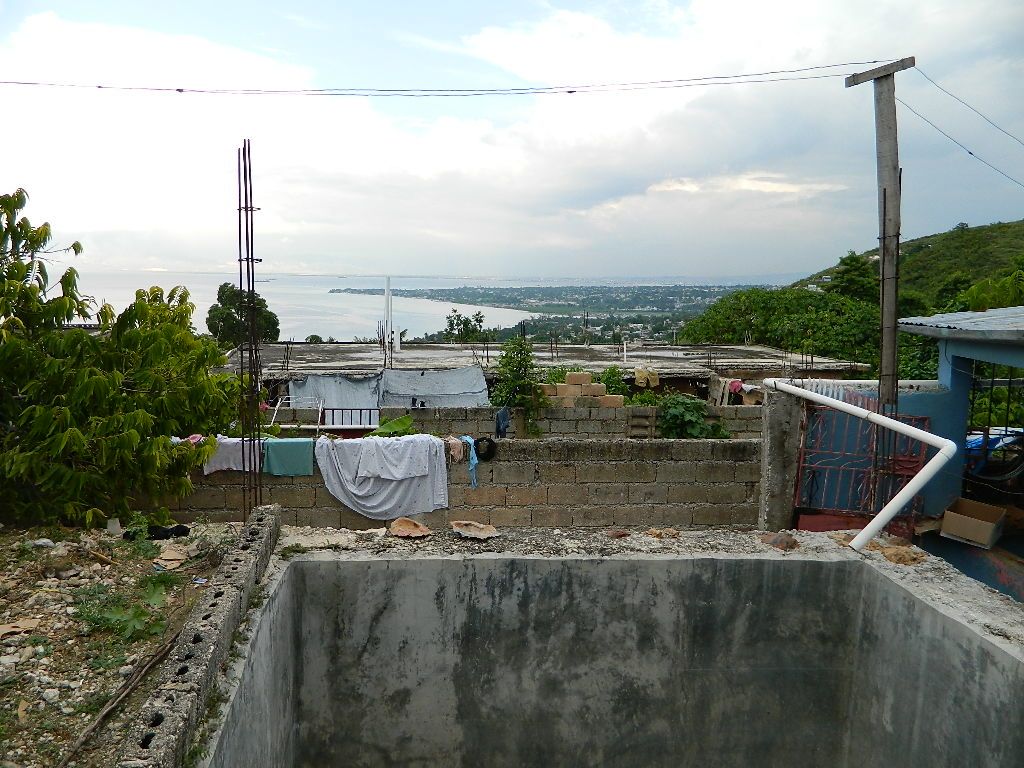
View from Barthold’s house.
Part 2 of our final day will be a short wrap-up of the Haiti series: Aly’s house, the Kinam Hotel, and fried bananas on the way to the airport.
Click to see my new website for ceramic & biodegradable cremation urns


 Live Clay