Live Clay
Ceramics & Custom Urns by Laura Bruzzese
All Souls Day (Haiti)

Haitian Vodou is based upon a merging of the beliefs and practices of West African peoples with Arawakian (native peoples of the West Indies) religious beliefs, and Roman Catholic Christianity. Vodou was created by African slaves who were brought to Haiti in the 16th century and still followed their traditional African beliefs, but were forced to convert to the religion of their slavers. The principal belief in Haitian Vodou is that deities called Lwa (or Loa) are subordinates to a god called Bondyé. This supreme being does not intercede in human affairs, and it is to the Lwa that Vodou worship is directed. Other characteristics of Vodou include veneration of the dead and protection against evil.
We were interested in All Souls Day traditions in Haiti, where I expected to see celebrations similar to our Dia de los Muertos. Instead, they seemed mostly Vodou-oriented. (According to a recent travel documentary, Haiti is “80% Catholic, 20% Protestant, and 100% Vodou”.) On November 1, on our way to the Jacmel bus, we encountered a rah-rah (parade, of sorts) headed for the main cemetery in Port-au-Prince. We decided to fall in with them to see what it was all about.
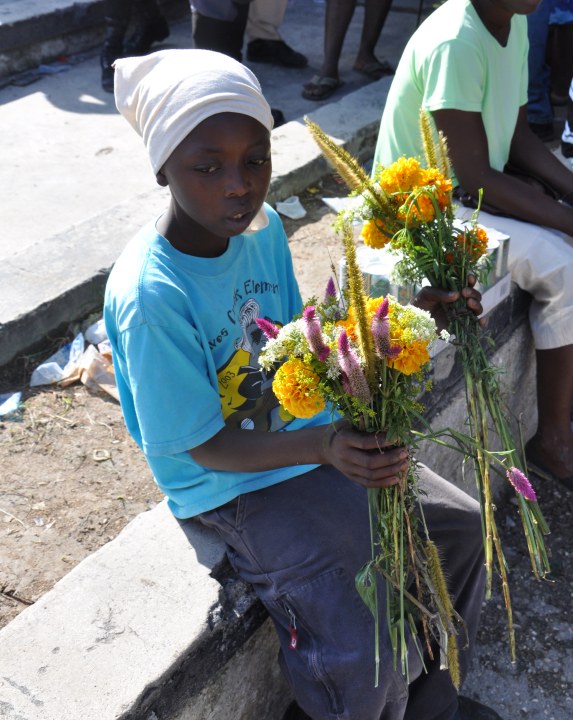
Just outside the cemetery entrance were displays of Vodou art, flowers for sale (especially marigolds), and an area set up for music. Above the large, arched stone entrance was the statement in French, “Remember You Are Only Dust.”

Inside the cemetery, everyone marched in sweltering heat up the main hill, past painted tombs and sellers of various things–soda, cigarettes, flowers, and trays of I-don’t-know-what.


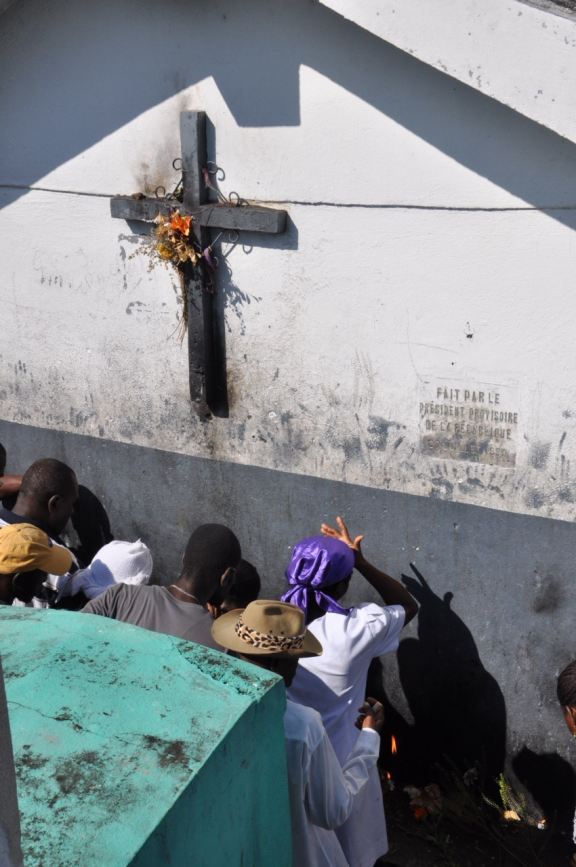
People brought offerings of coffee, candles, bread, alcohol, corn, printed paper and other items to the tombs.

In the Haitian Vodou tradition, it is believed that spirits are all around the living and they can be communicated with, but only if living family members know where they are buried. The mass-graves created after the earthquake pose a terrible problem in this regard.
This woman was slapping a tomb (likely that of a relative) and calling out in Creole. Many of the women wore purple or white headscarves and white dresses.

Later that evening in Jacmel, Blaise took us on a detour to a Vodou ceremony in someone’s back yard as we walked home from dinner. There was a typical open-air temple with a blue post in the center, around which offerings were brought for the spirits. A traditional Vodou service includes a day or two of preparation setting up altars, ritually preparing and cooking fowl and other foods, etc. The actual ceremony begins with a series of prayers and songs in French, then a litany in Creole and African langaj that goes through all the European and African saints and lwa honored by the house, and then a series of verses for all the main spirits of the house.
An Houngan (priest) or Mambo (priestess) presides over the ceremony. The Houngans and Mambos are usually people who were chosen by the dead ancestors and received the divination from the deities while he or she was possessed. His or her tendency is to do good by helping and protecting others from spells, however they sometimes use their supernatural power to hurt or kill people.
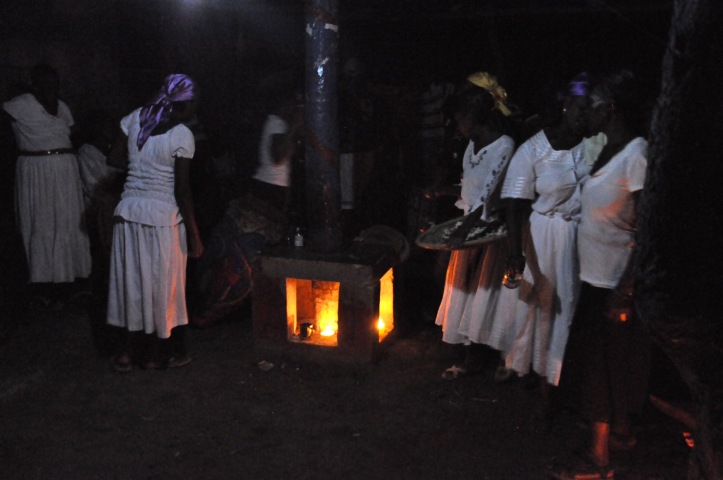
As the songs are sung, participants believe that spirits come to visit the ceremony by taking possession of individuals and speaking and acting through them. When a ceremony is made, only the family of those possessed is benefited.

We saw women carrying candles and offerings around the temple/yard, singing and dancing, but no possessions (that we were aware of). The Houngan was welcoming to guests (us) and it’s apparently not unusual for outsiders to observe ceremonies. We were there for about 45 minutes and then headed back to the hotel.
Next up: Aly and Paper Turtle artisans in PaP
Jacmel, Haiti
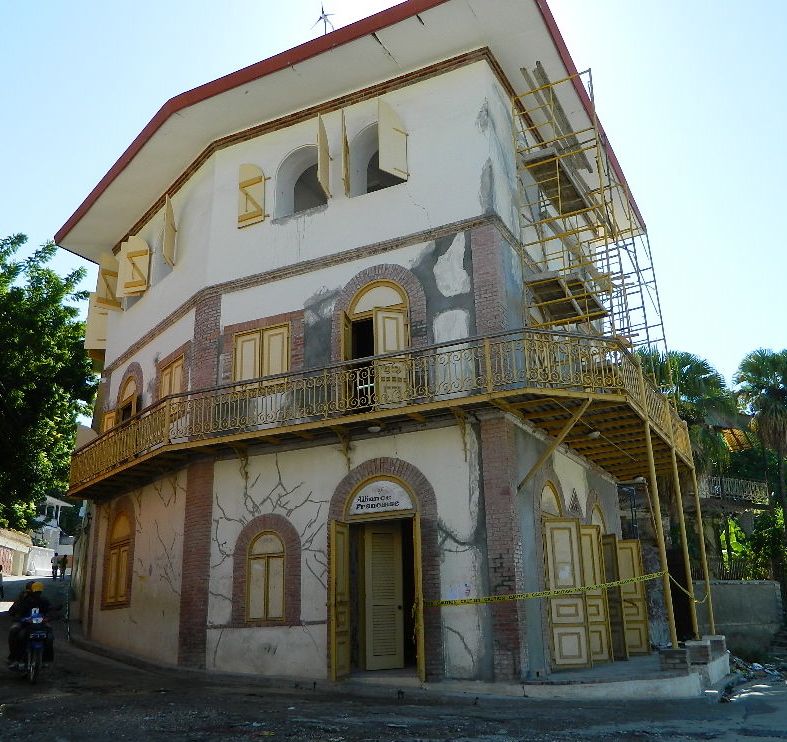
Jacmel was founded in 1698 as the capital of the south eastern part of the French colony Saint-Dominique. The area was Taino territory ruled by cacique Bohechio. With the arrival of the French, and the later establishment of the town, the French renamed Yaquimel as Jacmel. The town has not changed much since the late 19th century when it was inhabited by wealthy coffee merchants, who lived in gracious mansions that adorned it. These mansions would later come to influence the home structure of much of New Orleans. The town’s architecture boasted cast-iron pillars and balconies purchased in France.
We spent only 24 hours in Jacmel, but during that time we saw some amazing local art — papier-mache, steel drum art, wood carving, painting, Vodou sequin flags — and early 19th c. architecture that, although faded, is still beautiful. Jacmel (pop. 40,000) is considered to be one of the safest, friendliest, and most easy-going cities in Haiti. It’s an arts and culture hub with its own annual film festival (est. 2007), a vibrant music community, a renowned Carnival (distinguished by its papier-mache masks), and over 200 resident artists. It sustained considerable damage in the 2010 quake but repairs are in progress. Here is a photo tour of our visit:
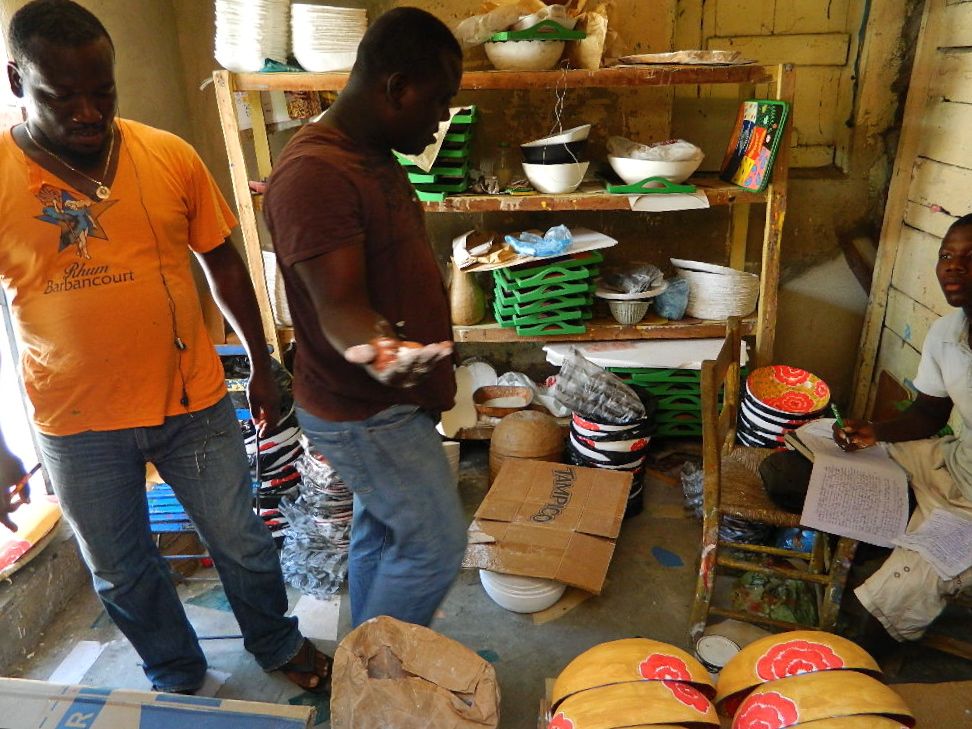
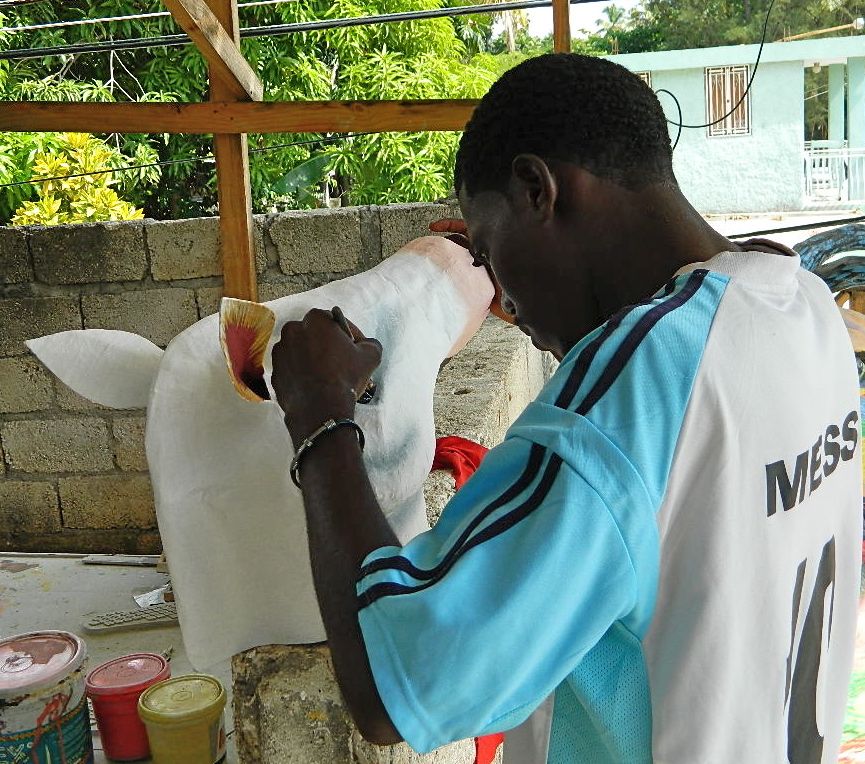 An artist at a different location (above Blaise’s shop) painted a zebra. A smooth surface is achieved by using something similar to white gesso (primer) and sanding before painting. Blaise is the lead papier-mache artist for Carnival.
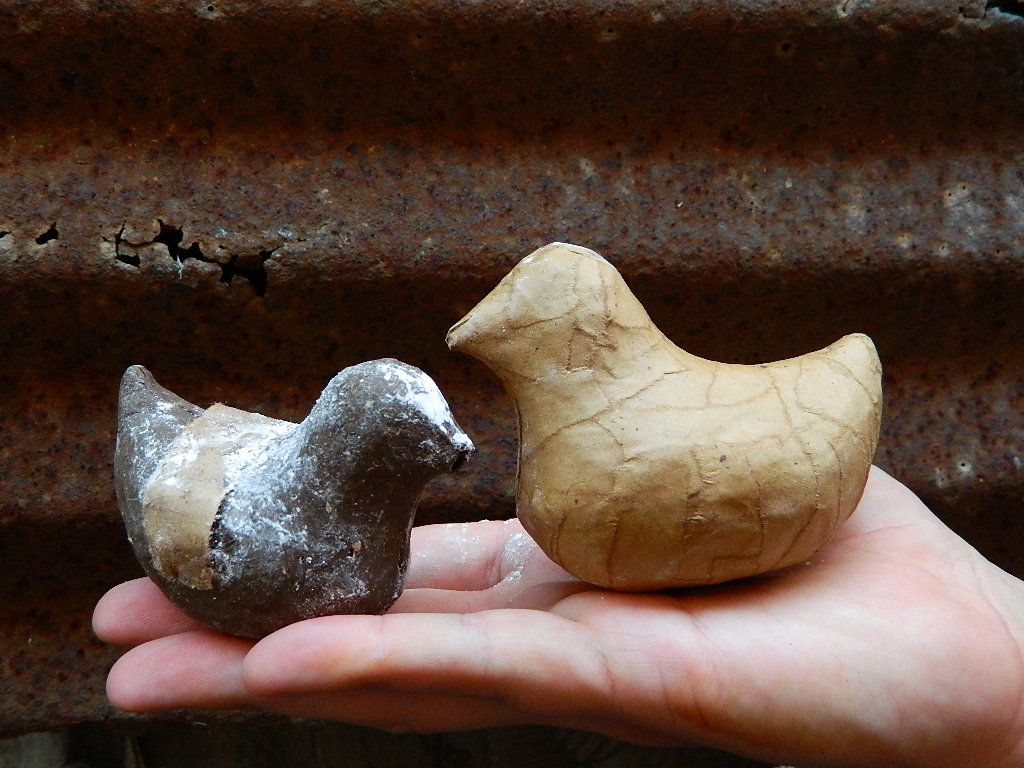
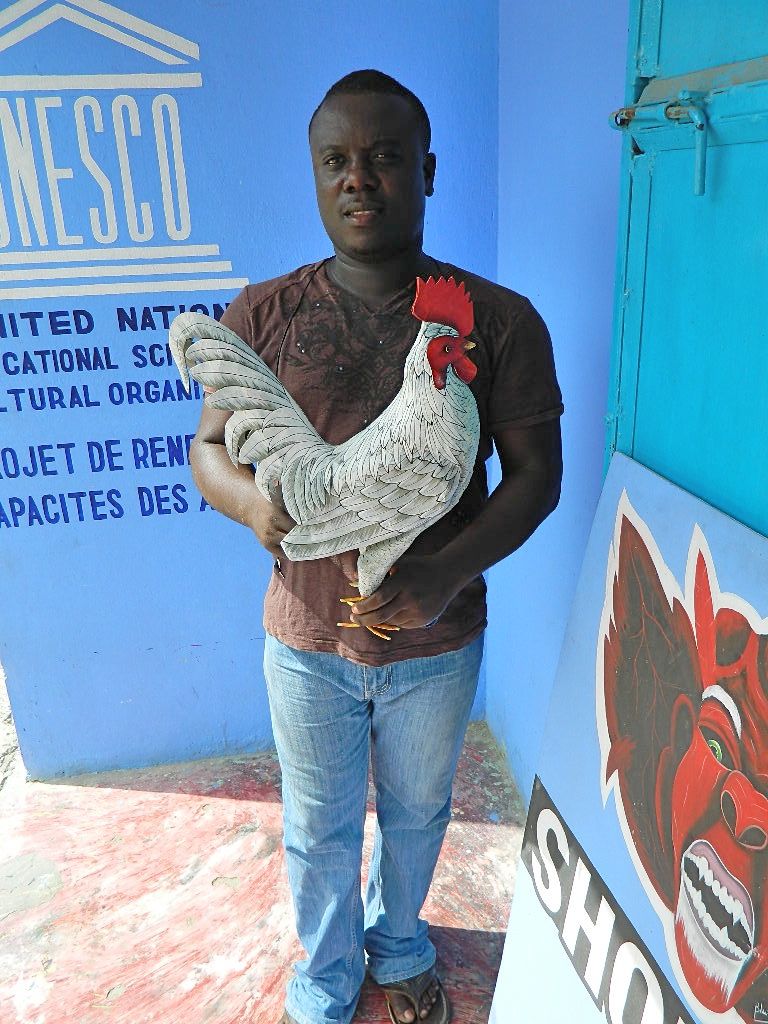
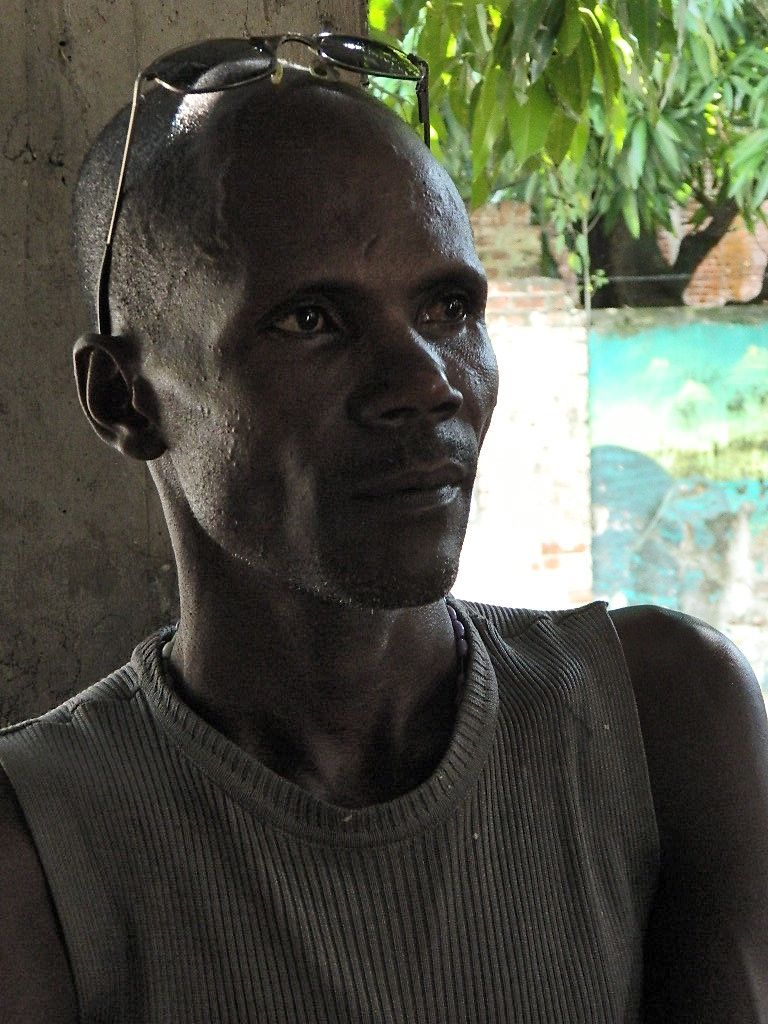 The art of papier-mache was originally brought to Haiti in the mid-1800s by the French to make home decor items, and was later used to make masks. According to the artists we talked to, a Haitian artist later went to Germany to study their method of papier-mache and brought back the new skills to Haiti. It has only recently been created for the tourist market. The man above (unfortunately didn’t get his name) is one of the last of the first generation of artists to start making papier-mache for sale (as opposed to personal use).
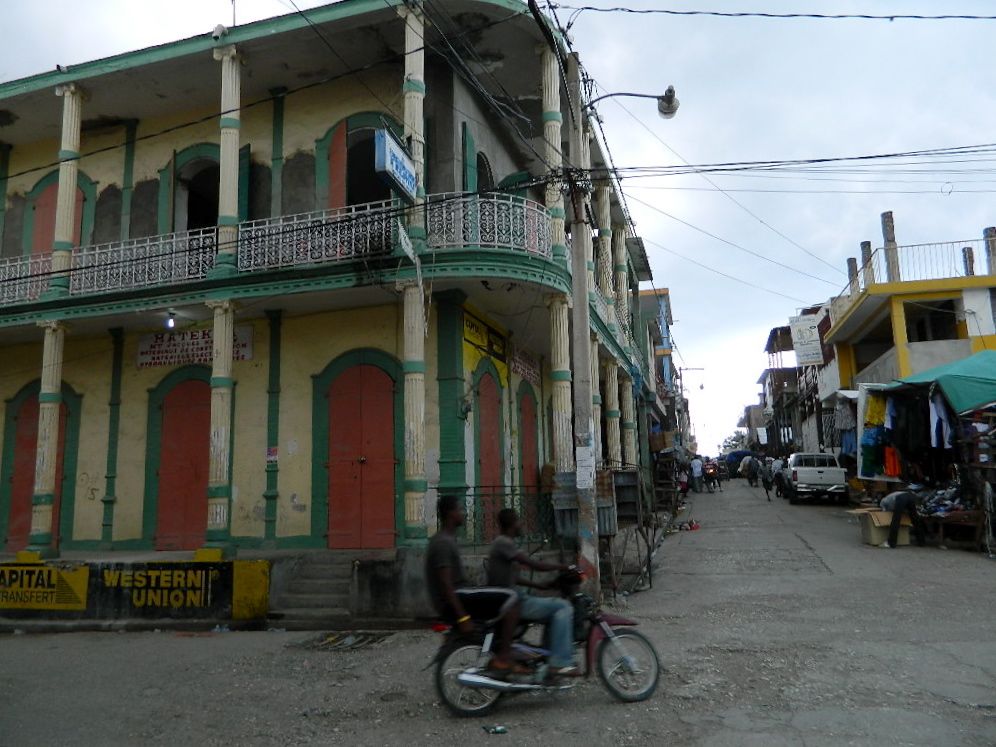
After visiting artists, we checked into the Hotel de la Place ($80/night/single) and walked around the central market area. I cannot really recommend Hotel de la Place because the accommodations did not include what we paid for (i.e., air conditioning) and the staff were indifferent (at best) about our presence.

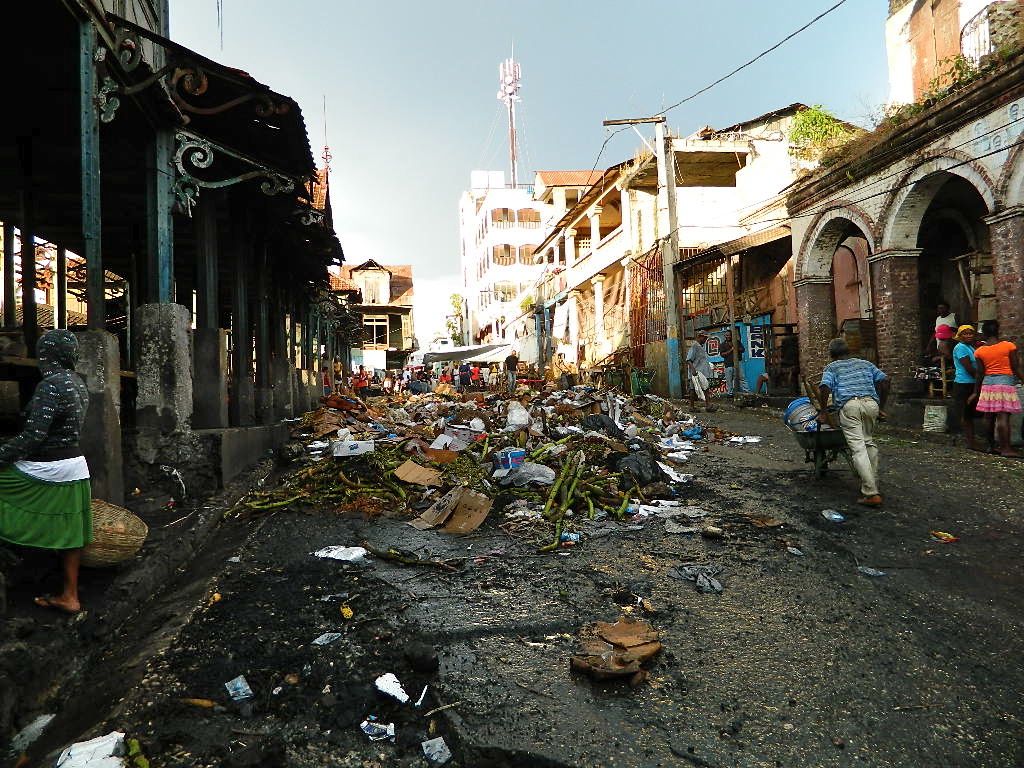
 We were told that the market refuse is cleaned up at the end of each day.
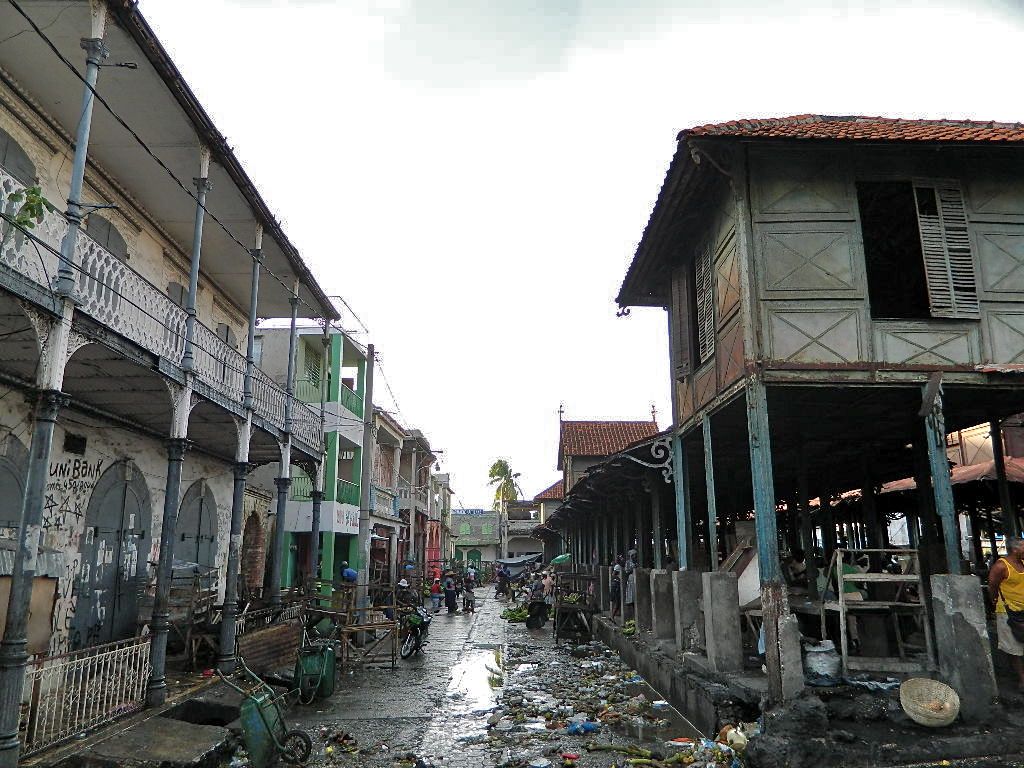
Next, we headed for the beach.
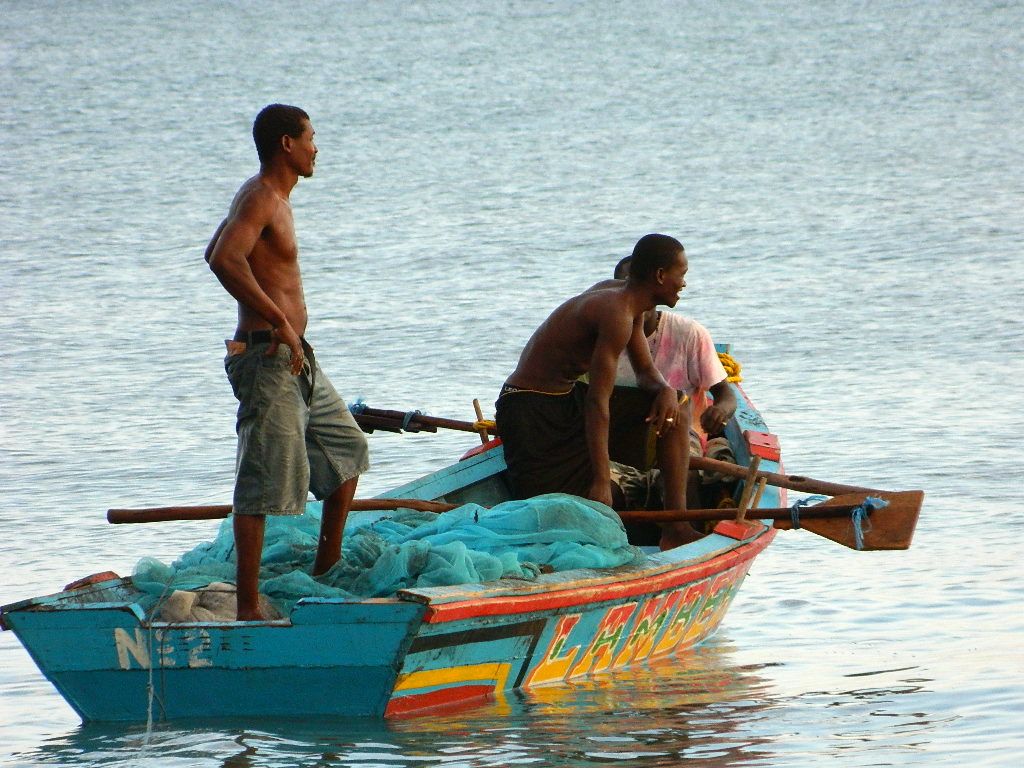
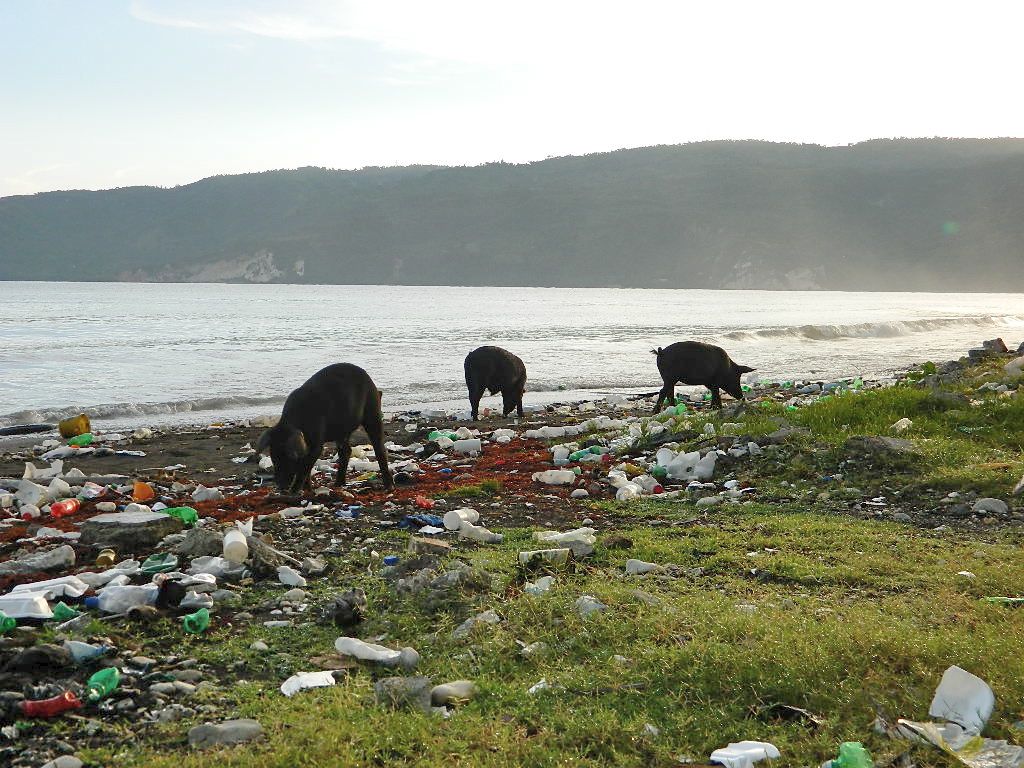
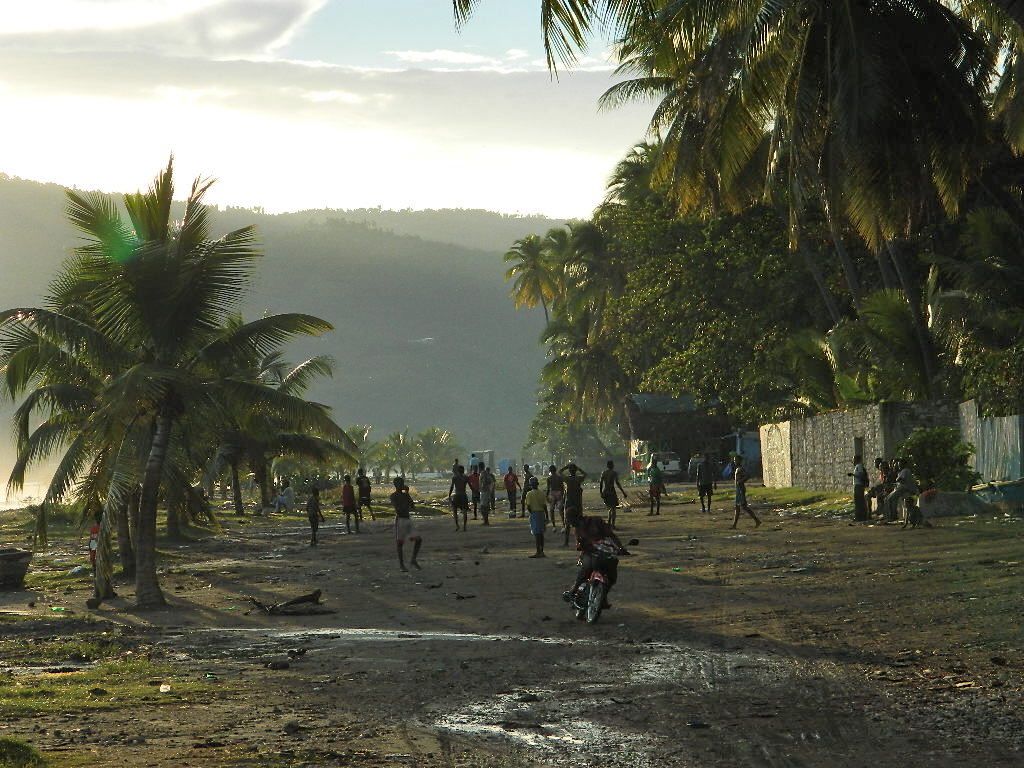 Just beyond these boys playing soccer was a row of outdoor cooking huts with tables and chairs set up under tarps and grass tiki huts. Cameron had a delicious fish ($5). I declined fish based on the presence of heads and tails and stuck with my new favorite Haitian food, fried potatoes and plantains.
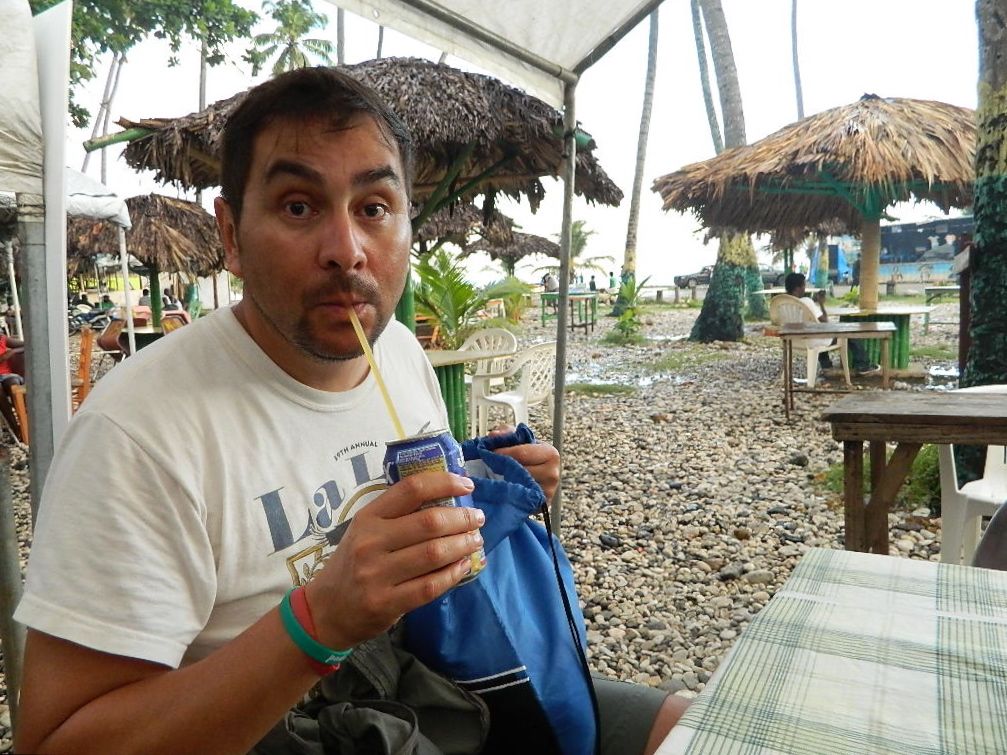 Gabe was deeply satisfied that he was the only one who received a straw.
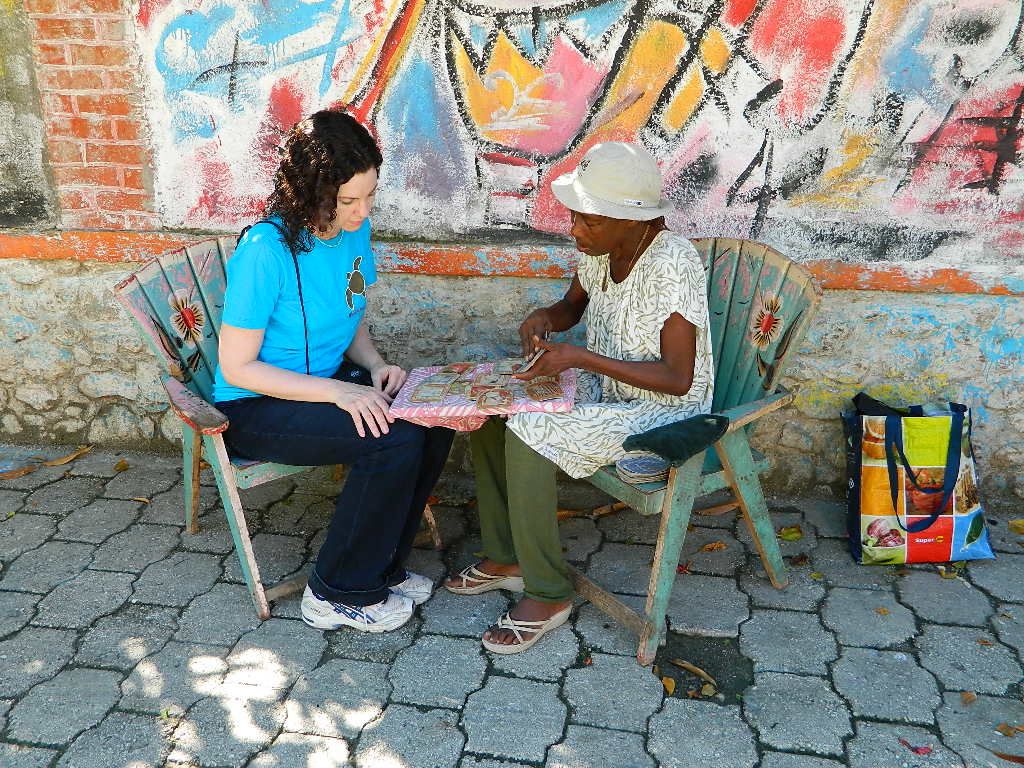
The next morning, we encountered Berlotte the Tarot Reader-Painter. What’s a visit to Jacmel without a $10 reading by Berlotte?

We left Jacmel around noon after buying some gorgeous art to take home, including papier-mache roosters, a hen, and a sequined Vodou flag. This was the stoic moto-taxi driver who took me back to the van-bus stop.
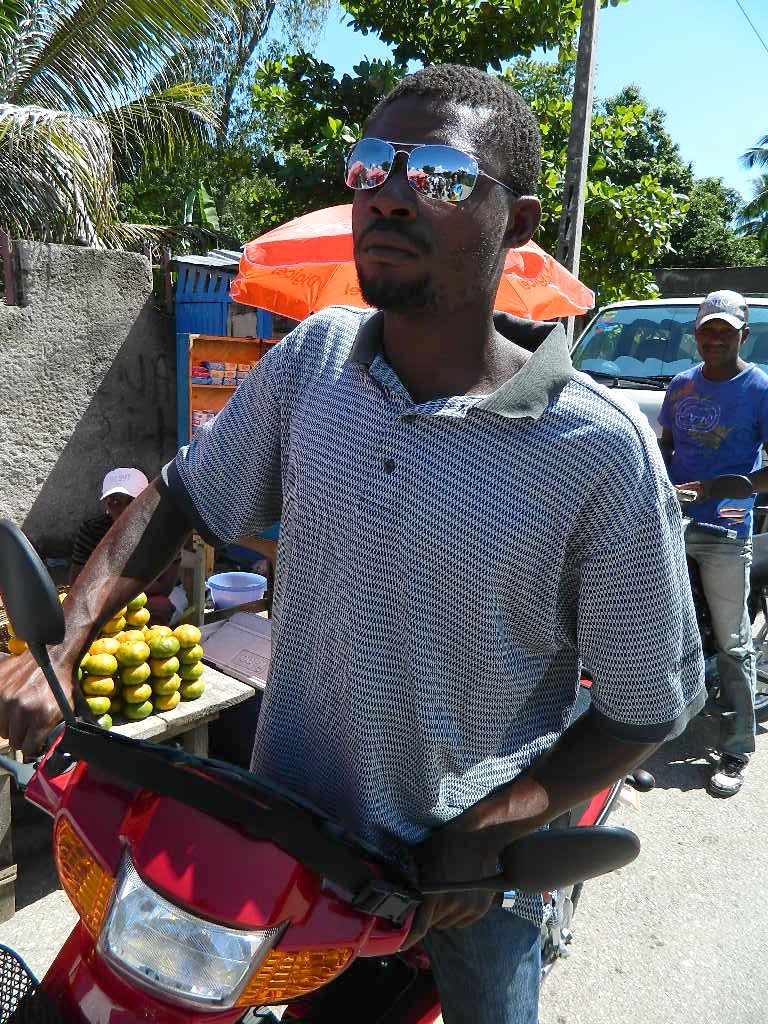 Riding a moto-taxi in Jacmel is a little frightening, but the good thing is, there aren’t many cars to run you over. I attempted to communicate my safety needs to the driver along the way, combining, in my anxiety, all of the foreign languages I know (Spanish, sort of) with the little bit of French and Creole I’d picked up, “Merci que mwen continuar de vive,” Thank you that I continue to live.
Tomorrow: All Souls Day in Haiti
Haiti Day 2 – Jacmel
There is so much to say about Jacmel that I think I’ll split this into two posts, getting to Jacmel and being in Jacmel. But before I can start with any of that–
6:00 a.m. Shower
 Believe me when I tell you there is nothing quite so disturbing as getting up early after a poor night’s sleep, turning on a shower that you’re really looking forward to because you’re covered in yesterday’s grime, discovering there’s no hot water, and, as you curse softly to yourself under the freezing stream… a man’s voice replies from the shower in the next room.
‘Scuse me?
It is particularly disturbing when the man’s whispery voice is filled with self-congratulatory gloat because he didn’t want to stay in this hotel in the first place. You’d think the newspapers stuffed in the cracks in the wall would’ve provided more privacy.
We will be moving to the Kinam in Pétionville after our overnight to Jacmel.
Boarding A Bus In Port-au-Prince
Imagined We arrive at a small station, buy tickets, and wait to get on a bus that resembles a Greyhound (but perhaps smaller and older). Hope we don’t have to wait too long between scheduled departures. We each take a seat, having placed our belongings in the luggage compartment, and enjoy the air-conditioned ride to Jacmel.
Real The “buses” are “vans” that arrive at random times to the teeming marketplace in downtown PaP. We sit in the Mitsubishi until the next van-bus gets close, and then Aly tells us to go. And hurry!
The front door of the van-bus is swarmed with people pushing to get seats, not unlike fans rushing a concert stage, and I am trapped. As I am not aggressive by nature, and sort of stunned thanks to being smacked in the face by Gabe’s backpack as he boarded (he says it was an accident), Jean-Claude advances me in the right direction. I am on the bus. People are yelling in Creole, pushing and shoving and trying to sell me things, I am hunched and hovering over a man and his box in the front seat. He’s in the middle of the seat, his box is in the seat by the window and will not move himself or his box. I am suddenly too big for the space, a great white insect with extra appendages, long and unwieldy, bottle-necked, unable to move forward or back.

After much waving and indecipherable yelling, I come to understand that I should sit in the window seat on the other side of the man in the middle, a 10″ x 10″ square that I’m pretty sure my butt outgrew 25 years ago. Still unable to move, I decide that tossing my bags to the floor in front of my prospective seat might propel me forward and into it by some method of physics — like a fishing weight gracefully pulling a lure into the water.
This does not happen.
I am still stuck and I’m certain that the van-bus has shrunk, I’ve swelled, the air has been sucked out of it so the air-sellers can sell me more. No one else can board until I move. Lots of yelling. Finally out of options, I sit on the man in the middle, the great white sweaty insect has landed. He wriggles with considerable effort out from under me, moves his box, and I finally take my seat near the window. Cameron drops in beside me. I have never been so happy to see him.

Eighteen of us are wedged firmly in place, Gabe and Aly in the back, Cam and I in the front. We sit in the heat and humidity and our own trickling sweat for another 20 minutes while the 19th seat is negotiated, street vendors push things in through the windows, food, soda, water, sunglasses. A final seat is added at the end of our row, the 19th passenger sits down, the blessed A/C comes on, and thank-you-Jesus we move.
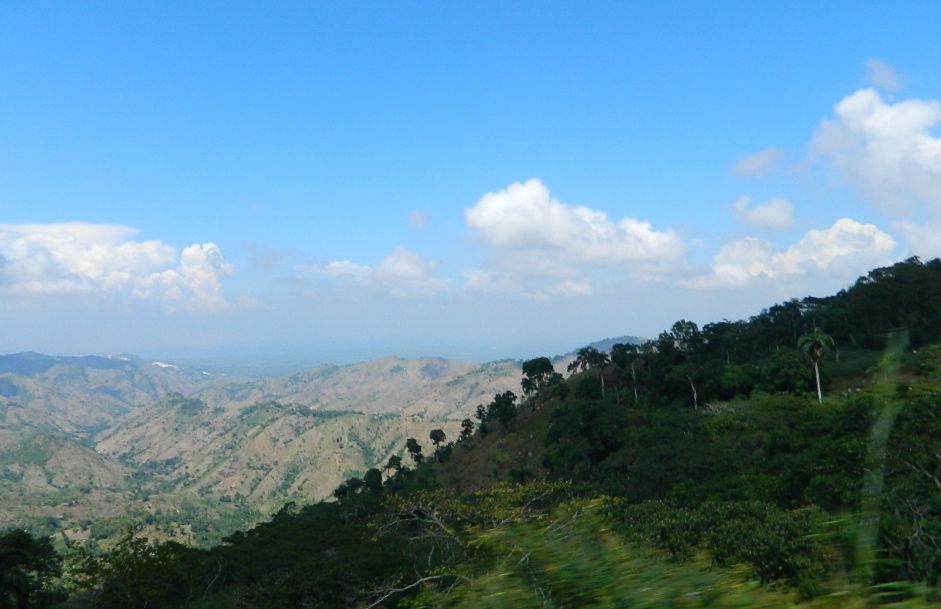
Once out of PaP, the road to Jacmel is long and winding through the beautiful, but deforested mountains.
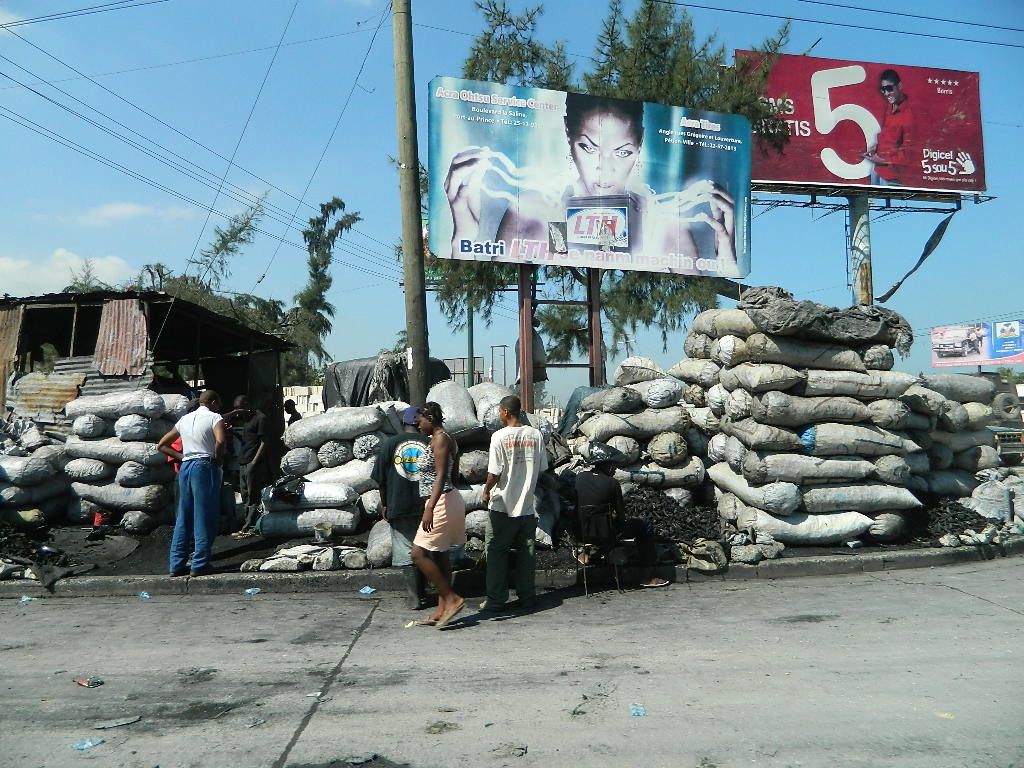
The main reason for deforestation in Haiti is that trees are the only source of fuel. Trees are cut down and brought to large fire pits where they’re converted into charcoal. It takes about 50 trees to make one of these bags of charcoal.
There are no speed limits on the road to Jacmel. Rather, every so often at a village there are enormous, undercarriage-devouring speed hills (unpainted and therefore invisible until you are upon them). This is where an experienced driver is a must.
Two-and-a-half hours later we arrive in Jacmel, get off the bus, and quickly (before I have time to panic) jump onto four moto-taxis that take us to the beach. Now we’re off to see some traditional art.
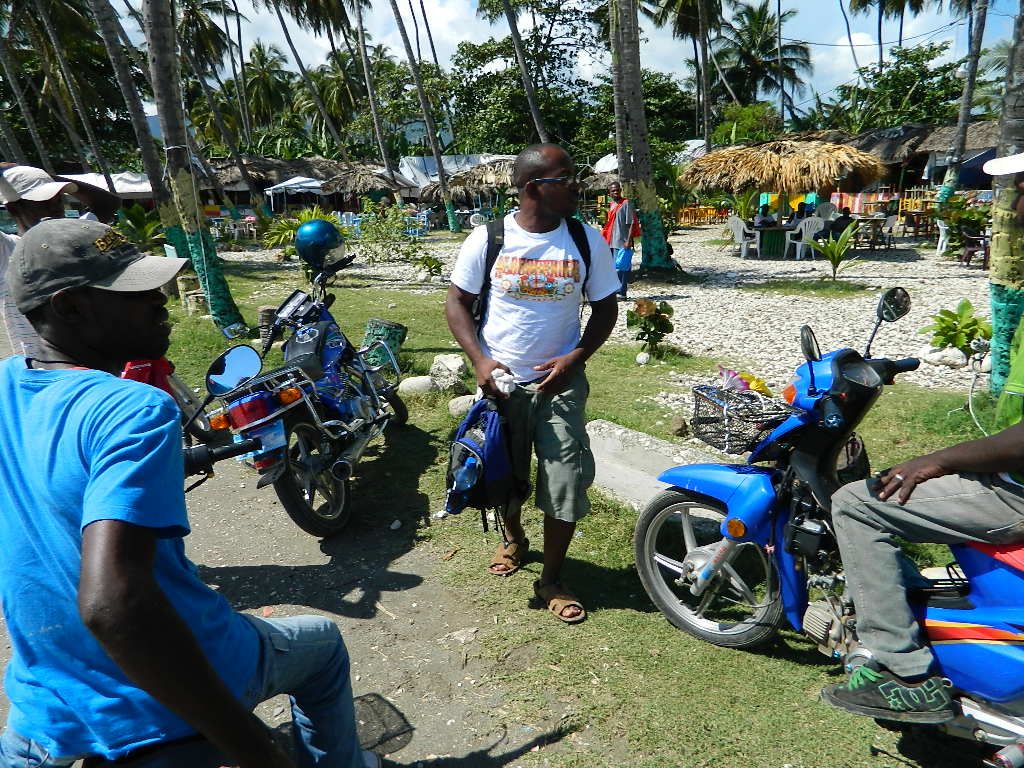
Tomorrow: Jacmel Part 2
Haiti Day 1: Port-au-Prince
 Welcome to Haiti! Here’s little tour of our first day. Wi-fi is spotty so I’m not sure how often I’ll be able to write, but for now:
We arrived at the tiny airport around 10:30 and grabbed our bags.
 Aly met us at the airport with a car and driver, Jean-Claude, who is also Aly’s childhood friend. The five of us piled into Jean-Claude’s Mitsubishi and headed out to see some sights in PaP (estimated population of metropolitan area = 3 million, nearly half the country’s total population). Driving in Haiti is complete mayhem: no traffic laws, no signs, no speed limits, very few stop lights. First impression: people and more people stuffed into cars, motorcycles, trucks, women carrying bundles high on their heads, street vendors selling every imaginable thing, and the occasional dog or pig, all negotiating for space, all vibrating against a backdrop of high heat, humidity, diesel fumes, noise and urban detritus. Just when I was sure we were going to hit one or five people, the flow of chaos moved around us and we continued on.
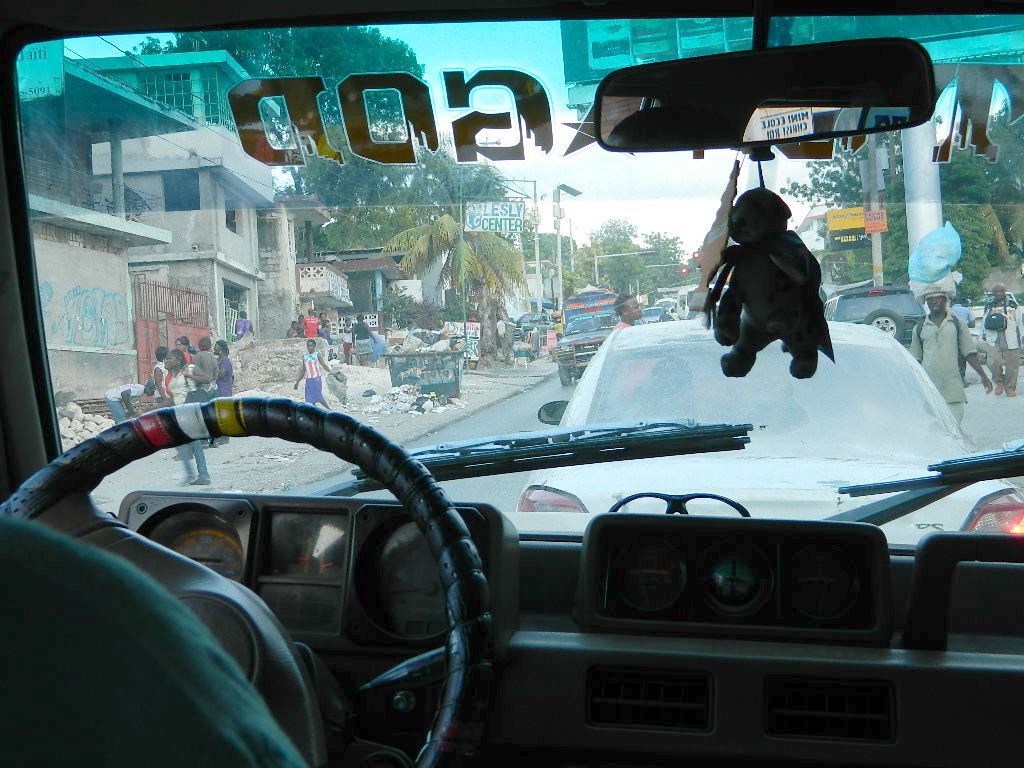
Traffic etiquette here seems to be watch where you’re going, pedestrians have the right-of-way, use your horn to communicate all things, miss the pothole (where’s the road?) don’t get smashed by the tractor, ooooo that was close. Similar, I suppose, to driving in other developing countries. But there were just so many people, so very many people.
Aly pointed out the tent cities that had sprung up in parks and public spaces after the earthquake. The biggest cathedral in PaP was totally demolished. I thought the ruins were still beautiful.


Haitian people were happy when the Presidential Palace was damaged beyond repair in the quake because it’s such a symbol to them of political corruption and abuse of power.

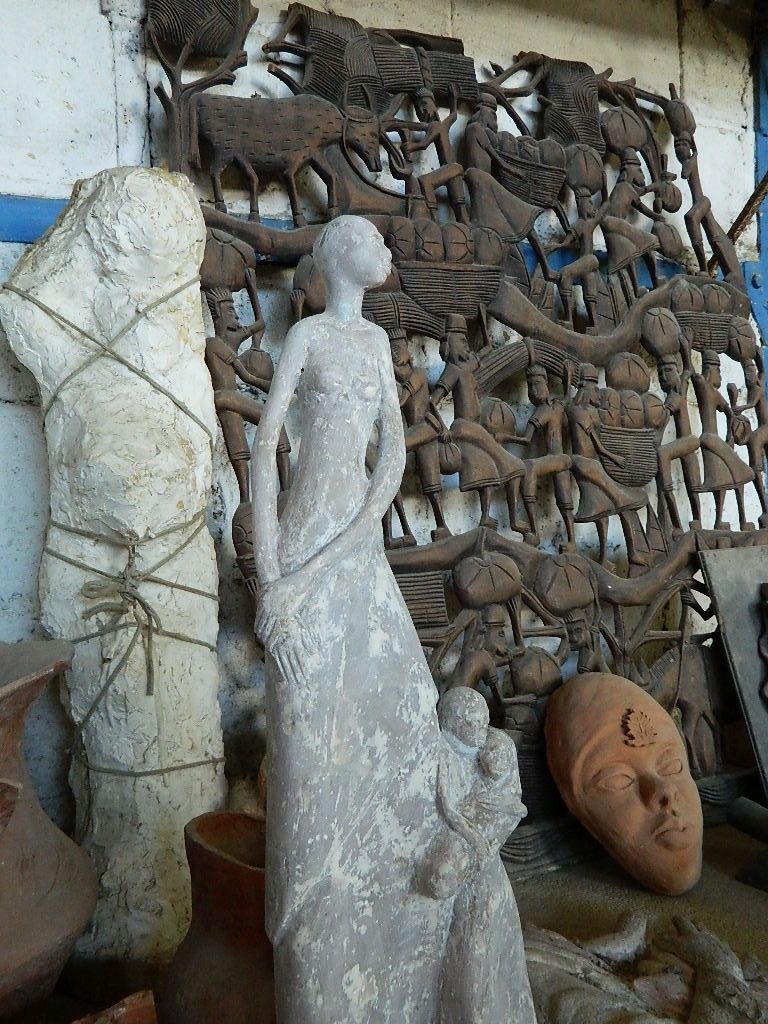
We stopped at the Ecole Nationale des Artes (ENARTS), a small, free school for performing and visual arts. Students learn theater, music, painting, sculpture and dance. Josué Blanchard was kind enough to give us a tour.

He was recently featured in this publication for the fiberglass sculpture he created of a woman peeing in a bucket, which was viewed as scandalous. He said the subject matter is just part of life in Haiti.

ENARTS re-opened only two weeks ago after being shut down 5 years ago (plus damaged in the quake) due to instability in the government(s).
One of the most interesting things at the school was the defunct foundry. This was the very first foundry in the Caribbean and it was once used to cast bronze sculpture.
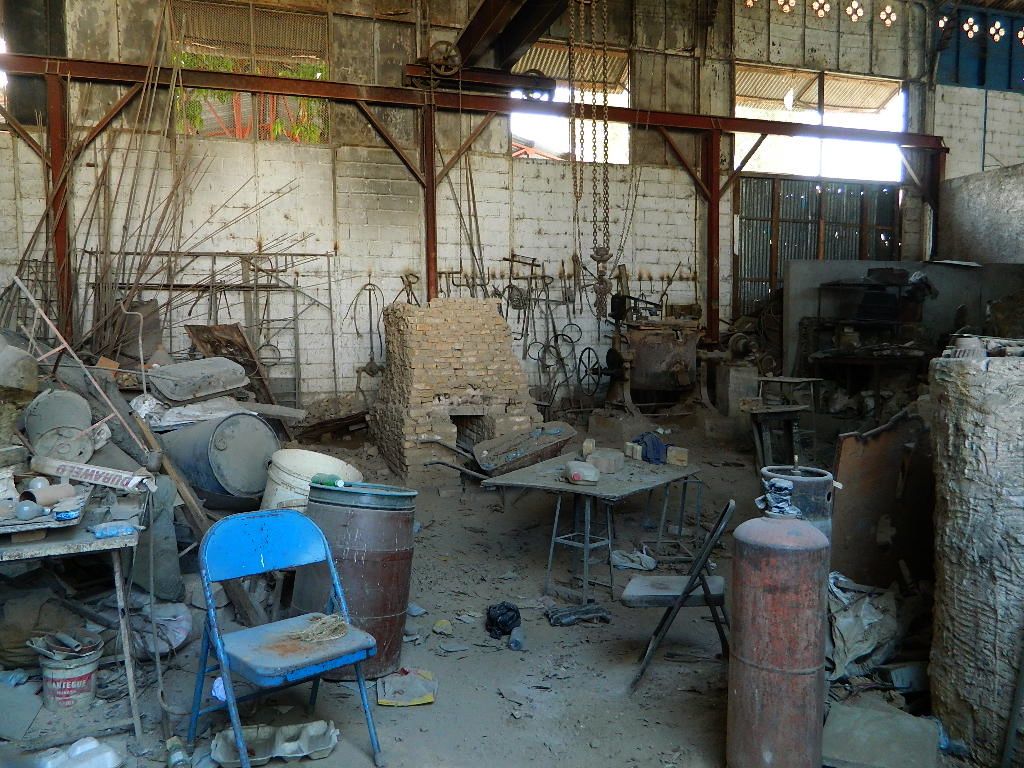

The crucible was fueled by wood and kerosene that heated boilers for the pour. (I know there’s a more eloquent way to describe that but the words are escaping me after only one rum punch. And the power just went out as I’m writing this, so it’s dark.)


I was required to dispatch this little mouse with a good stomping before Gabe would set foot into the old foundry; and even then, he refused to go much past the doorway and was ready to jump on the blue chair at any moment.
After ENARTS, we checked in at the hotel to rest and eat for a while.
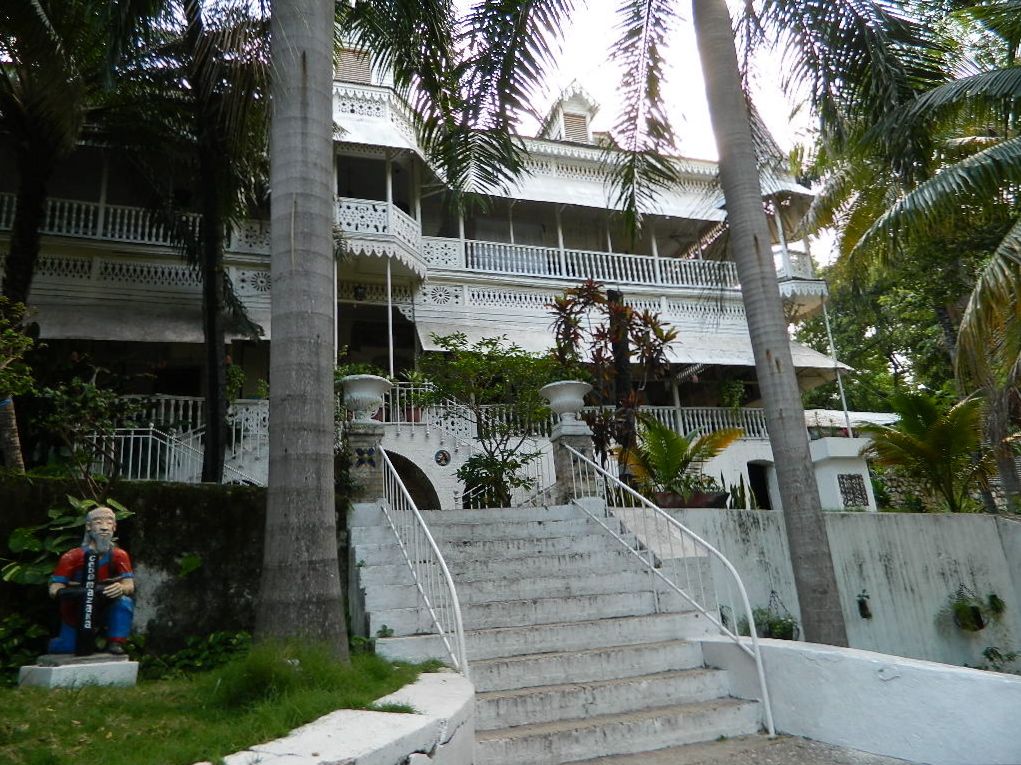
The Oloffson is full of *charm* and *character*, but this did not appeal to Gabe, who complained that it was old, the beds didn’t have mosquito nets and you could see under the walls between rooms (discovered later).
 Cam and Gabe discussed the appeal of character and history vs. more modern conveniences at a hotel in Pétionville where Gabe wanted to stay, conveniences such as wi-fi in the rooms and hot water (also discovered later). Gabe was ultimately out-voted 2:1 and we checked in. Cam and I wouldn’t have dreamed of visiting PaP without staying at the famous Oloffson.

We had sandwiches on the front porch and Cam and I made plans for the rest of the afternoon. Gabe announced (4 hrs after arriving) that he would not be visiting Haiti again “because I have other places to see, like Smyrna.” He never re-traces his travel steps. I was about to argue but he broke into song, “I’ve been to paradise but I’ve never been to me” and I was stunned into silence. Unbelievably, he knew all 4 verses.
Cam enjoyed reading Amy Wilentz’s book outside of their room, named after the author.

In the late afternoon we went to Pétionville, a relatively affluent suburb located in the hills east of PaP. It was named after Alexandre Sabés Pétion (1770–1818), the Haitian general and president later recognized as one of the country’s four founding fathers. It is one of the wealthiest parts of the country, where many diplomats, foreign businessmen, and a large number of wealthy citizens do business and reside.

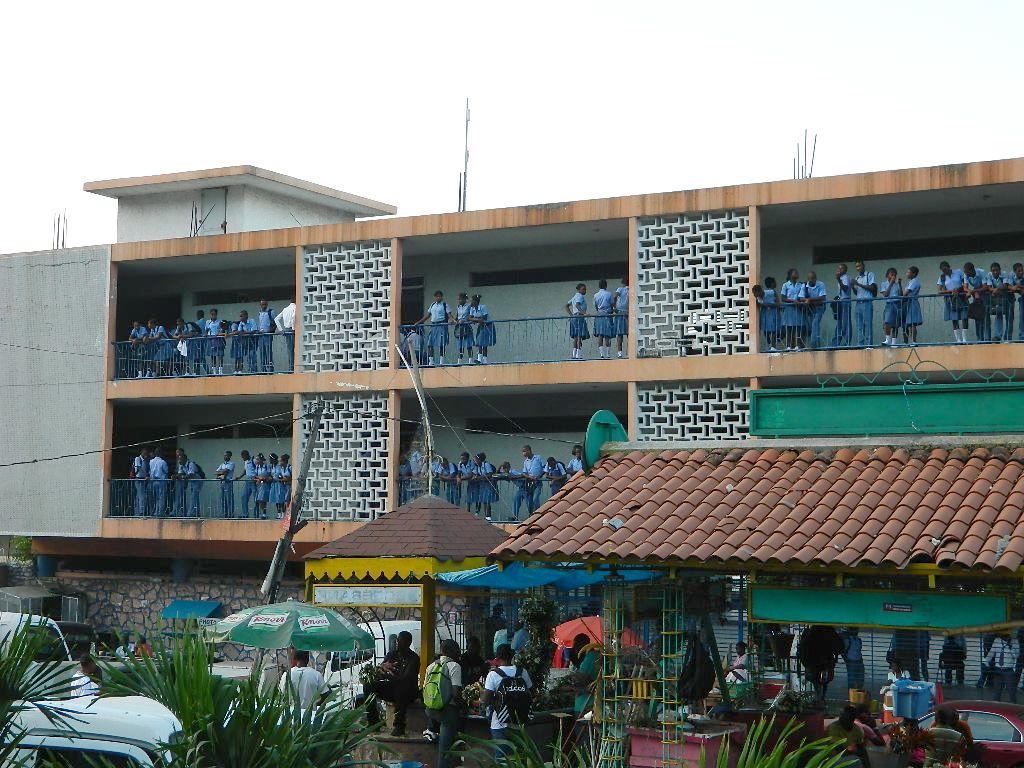
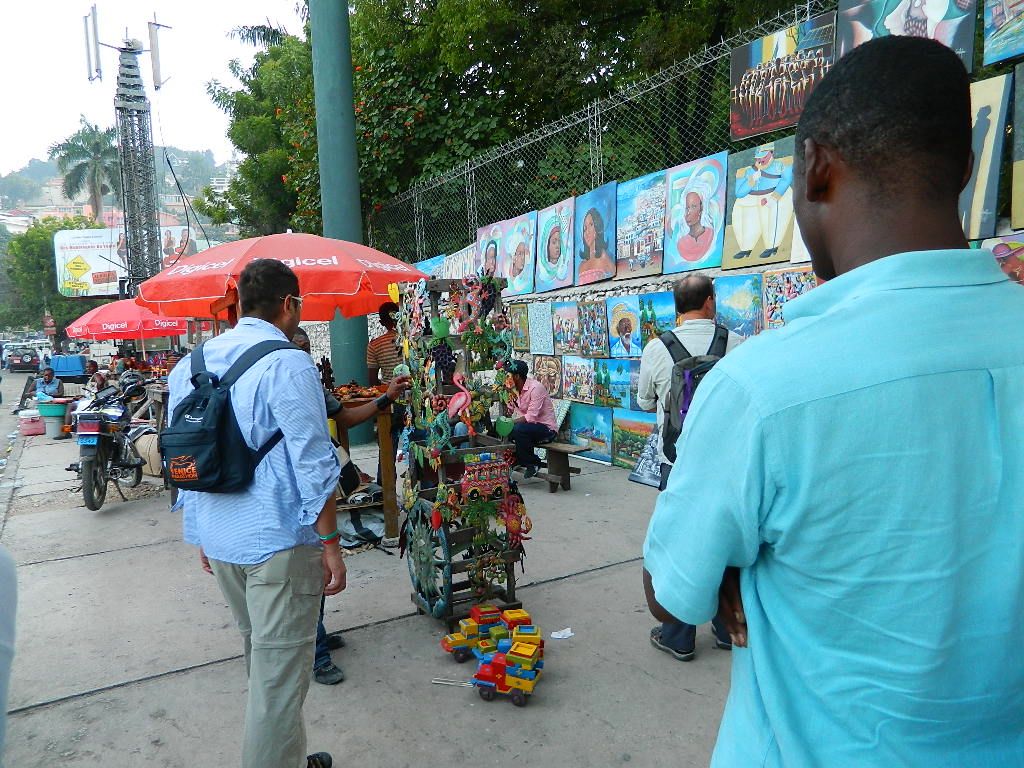
The central park in Pétionville is now a tent city. Near the park, there was a high school above a flower market and lots of people selling all kinds of art on the streets. I was shocked by how many hundreds of original paintings (not prints) covered the walls.
We ate dinner on the way home, not far from our hotel. There are street vendors all over Haiti selling food–cooked, packaged, dried, fresh. This woman and her daughter or friend were set up across the street from our restaurant selling hot dogs.
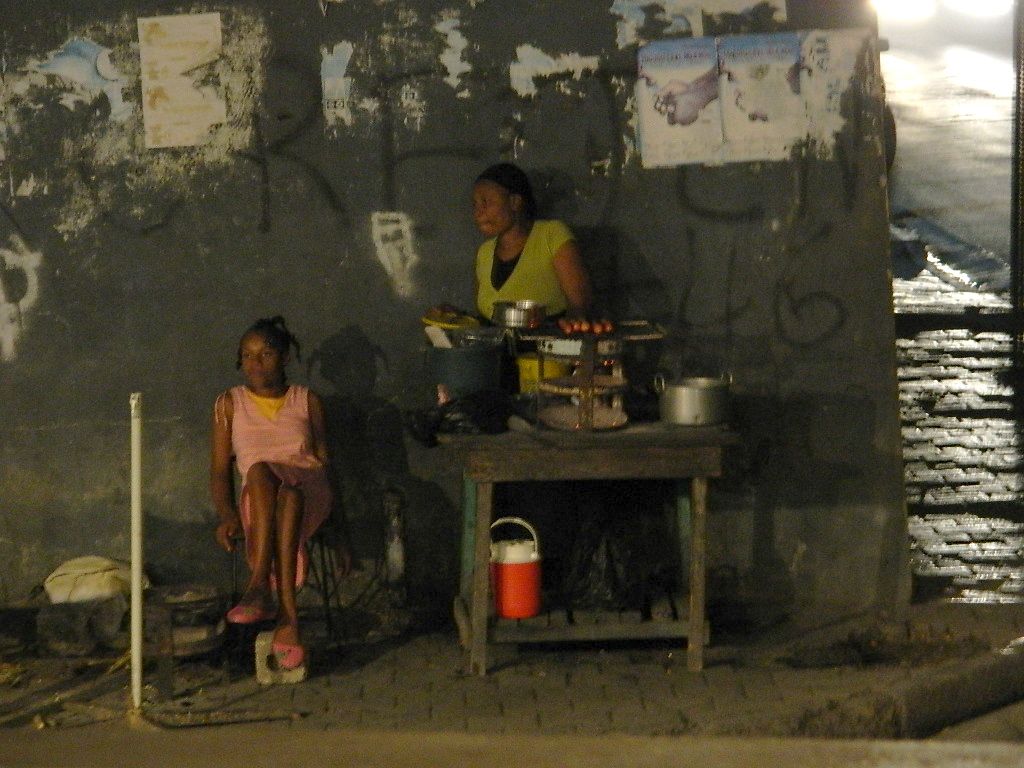
There weren’t a lot of vegetarian options among the fried goat, chicken and pork on the menu, so we had a veggie pizza for dinner while we watched various things on TV, including Haiti’s musician-President, Michel Martelly’s, music video. And now, here I am, trying to finish this post at the end of the day in the lovely Oloffson (famous for rum punch) Lounge. Bye for now.
Tomorrow: Jacmel
Haiti – on the way
I’m in Miami staying overnight with some friends of my two traveling buddies, Gabe and Cam. Our flight to Haiti leaves Miami at 8:30 tomorrow morning.
I thought I ‘d take a minute before I go to bed to tell you a little about my traveling companions and the hotel where we’ll be staying in Port-au-Prince because it has a really interesting history. First, Gabe and Cam:
Since it’s late, I’ll go with wellness.com’s description of Cam: “… a Critical Care Surgeon located in Albuquerque, NM. A Critical Care Surgeon, acute care, emergency medicine, surgery, surgeon, respiratory failure, shock, renal failure, sepsis, life-threatening illness, ICU, intensive care.

Cameron on the way to prom.
I feel pretty confident that my various organs will be in good hands with Cameron. Plus, he’s been to Haiti before and speaks French so technically he could be a tour guide.
Gabe is an Engineer-Lawyer-MBA, who I suspect will be fairly useless in Haiti despite his considerable academic achievements. I base my conclusion on the following assessment:
1. Is Gabe a hypochondriac?
Yes.
2. If Gabe walked into a room full of power tools, what would he do?
Ask me what they are.
3. If someone tried to abduct me, what would Gabe do?
Run.
4. If a mouse ran across the floor, what would Gabe do?
Jump on a chair and scream like a girl.*
5. If Gabe caught a mouse in a live-trap, what would he do?
Call me to come and take it away.*

Gabe’s head. The rest of him was carried away by a large rodent.
But he is my friend and I love him despite his obvious shortcomings. Plus he’s a guy, he’s tall, and he can probably carry heavy things for me advise me on how best to carry heavy things.
*actual events

Hotel Oloffson
The hotel was constructed in the late 19th century as a private home for the Sam family. The head of a prestigious and influential family in Port-au-Prince, Tirésias Simon-Sam was president of Haiti from 1896 to 1902. The mansion was built by Tirésias’s son, Jean Vilbrun Guillaume Sam. The Sams lived in the mansion until 1915, when Guillaume himself was selected from among a group of powerful politicians to assume the post of president, the fifth president in five years. Guillaume would be president for a scant five months, however, before being torn to pieces by an angry mob.
United States President Woodrow Wilson, concerned that the Haitian government might be seized by Rosalvo Bobo (who was thought to be sympathetic to the Germans) ordered the United States Marine Corps to seize Port-au-Prince. The occupation would eventually extend to the entire nation of Haiti. The Sam Mansion was used as a US military hospital for the duration of the 15-year occupation.
In 1935, when the Occupation ended, the mansion was leased to Walter Gustav Oloffson, a Swedish sea captain from Germany, who converted the property into a hotel with his wife Margot and two sons, Olaf and Egon. In the 1950s, Roger Coster, a French photographer, assumed the lease on the hotel and ran it with his Haitian wife, Laura. The hotel came to be known as the “Greenwich Village of the Tropics”, attracting actors, writers, and artists. Some of the suites in the hotel were named after the artists and writers who frequented the hotel, including Graham Greene, James Jones, Charles Addams, and Sir John Gielgud.
A Connecticut native, Al Seitz, acquired the hotel lease in 1960. During the 1970s and early 1980s, the hotel enjoyed a brief period of fame and good fortune. Celebrities such as Jackie Onassis and Mick Jagger were regular guests, and like Coster before him, Seitz named favorite rooms at the hotel after the celebrity guests. After Al Seitz died in 1982, his widow continued to operate it. As the grip of Duvalierism closed over the country, however, the foreign tourist trade dried up. The hotel survived by serving as the desired residence for foreign reporters and foreign aid workers who needed secure lodging in the center of town.
In 1987, with the help of his half-brother Jean Max Sam, Richard A. Morse signed a 15 year lease to manage the Hotel Oloffson, then in near ruins after the final years of Duvalierism. In restoring the hotel business, Morse hired a local folkloric dance troupe and slowly converted it into a band. Richard Morse would become the songwriter and lead male vocalist and the name of band, RAM, comes from his initials. Throughout the political upheaval of Haiti in the 1990s, RAM’s regular Thursday evening performance at the hotel became one of the few regular social events in Port-au-Prince in which individuals of various political positions and allegiances could congregate.
Porn Flakes
 Anyone in the publishing business knows that this is your darkest nightmare, the cold sweat that wakes you at 4 a.m., your personal Rosemary’s Baby moment: not catching a mistake on something before a zillion copies are printed. Well, guess what snuck in to a 7-page Food Guide I recently designed?! (The Guide is for daycare providers to help them learn what foods they can serve to their kids and be reimbursed for through a federal nutrition program.)??
I gathered hundreds of images from the internet and artistically arranged them by food group on the pages, added Spanish and English labels… and Corn Flakes here was smack in the middle of the Cereals. At least five people had proofed it and 100 copies had already been distributed before a *daycare provider* finally saw the…really happy rooster….cock… whatever.
I have no idea where this came from, but someone had a good time making Mr. “KKK October Centerfold,” as a friend calls it. 1,000 full-color copies have already been printed. Crap!

Dia de los Muertos Art
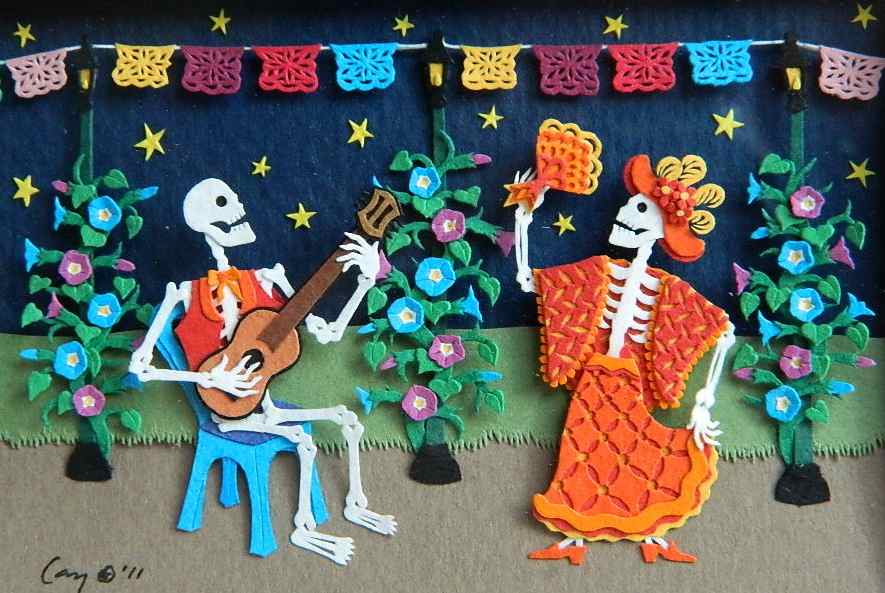
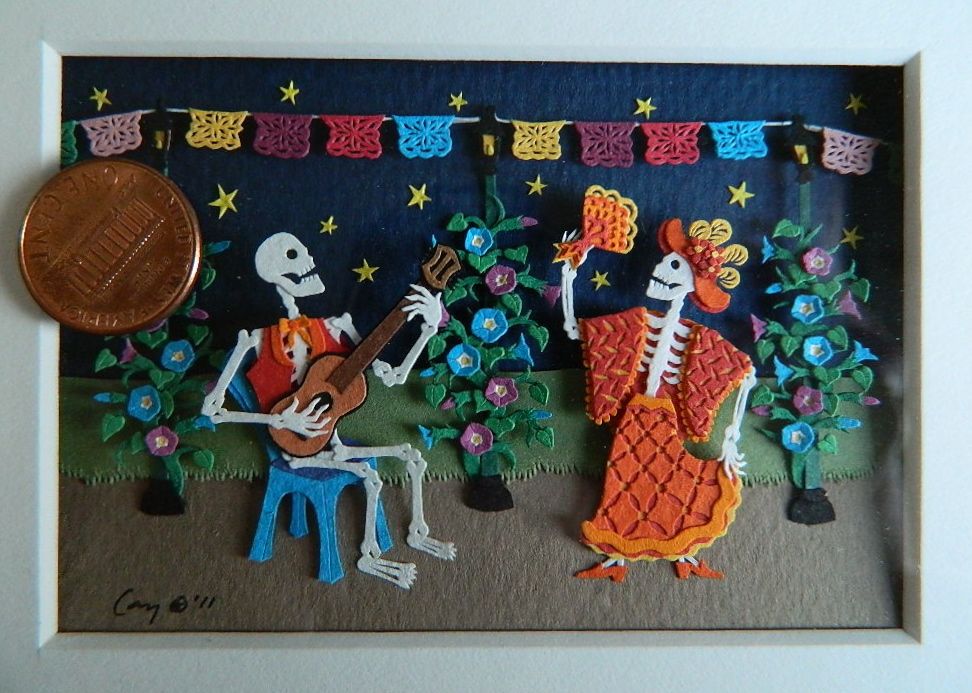
Cay Garcia, "Marigolds in Morning Glory," 3 3/4" x 2 1/2", 2011
In anticipation of Dia de los Muertos, I would like to share some beautiful images from two local artists, Cay Garcia and Margot Geist. I don’t know if I’ll make it to local los Muertos festivities this year, including the Marigold Parade, because I’ll just be returning from Haiti *woop!*. I’ll be there Oct. 31-Nov 4 to meet my Paper Turtle business partner, Aly, and experience a bit of his country. I’m really excited to see Haiti for the first time (and be there for All Soul’s Day, a national holiday). I’ll try to write a few posts from Port-au-Prince, but it will of course depend on wi-fi, time, and sanity.
Back to art: Cay Garcia makes amazing, miniature pictures by cutting, layering, and stacking colored paper. She’s a self-taught artist who has a studio in Downtown Albuquerque not far from my own. I met Cay last summer at the Grower’s Market where she had a table with one original piece (above) and lots of reproductions including magnets, cards and prints. When I asked if she had any other jobs in addition to being an artist, she said, “Yeah, I’m a mom!” The time-consuming nature of her intricate work (sometimes up to 1,000 pieces of cut paper in one picture!), combined with the demands of motherhood, makes her original pictures rare little gems.
My friend bought “Marigolds in Morning Glory” to add to his growing collection. It’s impossible to appreciate the scale and beauty in photographs, but I’m posting all three pieces anyway because I think they’re so amazing.
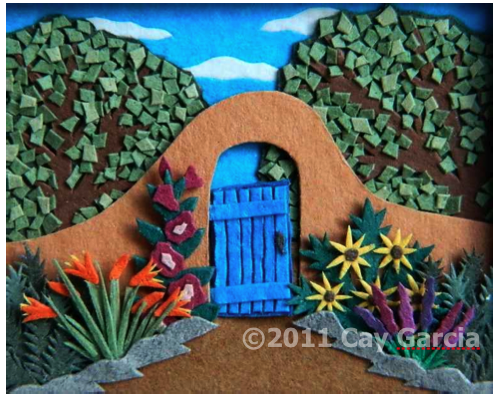
Cay Garcia, knife-cut paper original, 1 1/2" x 1 1/4", 2010
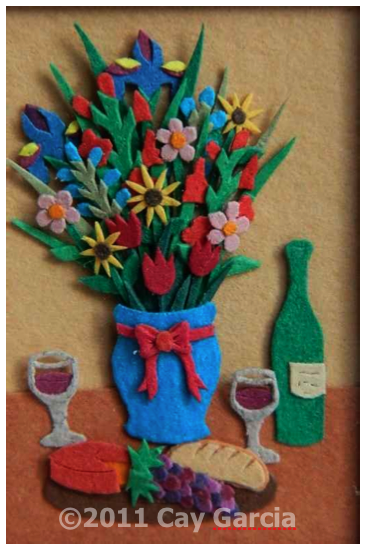
Cay Garcia, original knife-cut paper, 1.5" x 3/4", 2011


Margot Geist is a photographer whose beautiful images of natural objects are often printed on wood or canvas and covered with beeswax, giving them a warm, luminous feel. Margot’s subjects also include landscapes, portraits, and other artists’ portfolio work (including mine). She has a wonderful sense of humor and is always willing to fit in a rush job.
Unfortunately, Margot’s web site is under construction, but it lists her contact info, and you can also find her on Facebook. For now, enjoy these images she took at last year’s Marigold Parade in Albuquerque’s South Valley.
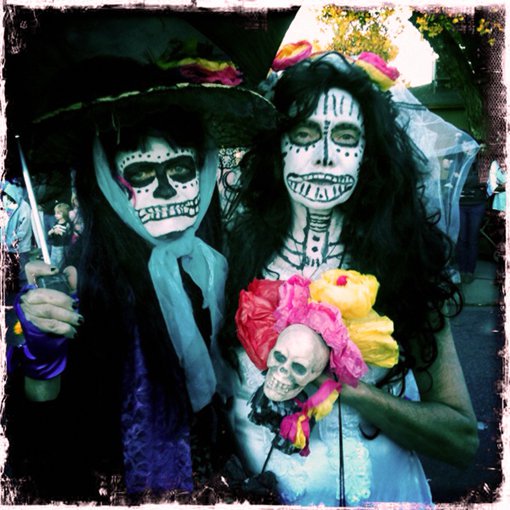
Photo © Margot Geist, 2010
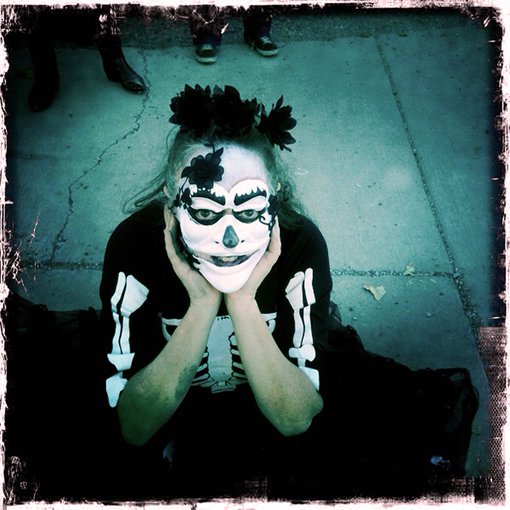
Photo © Margot Geist, 2010

Photo © Margot Geist, 2010
New Mexico Has The Best Skies
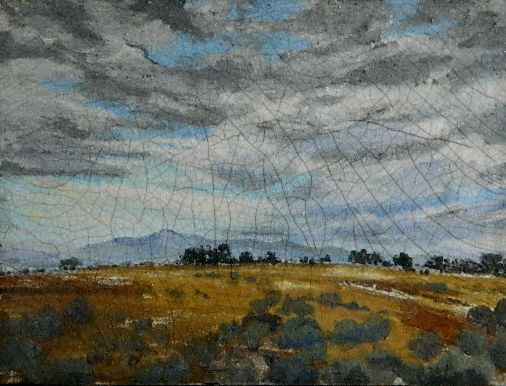
Hand-painted raku tile, 6.5" x 7" image
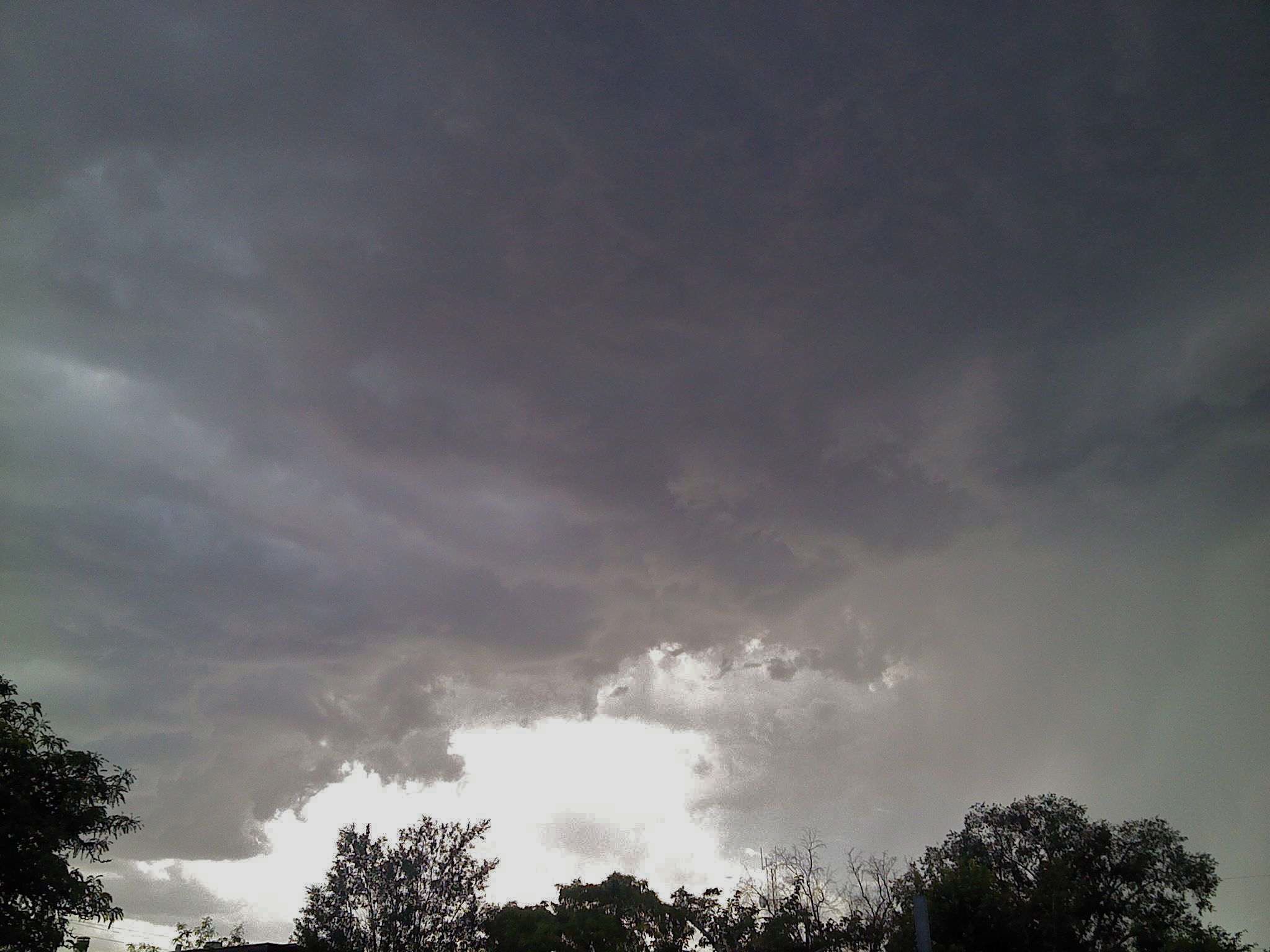
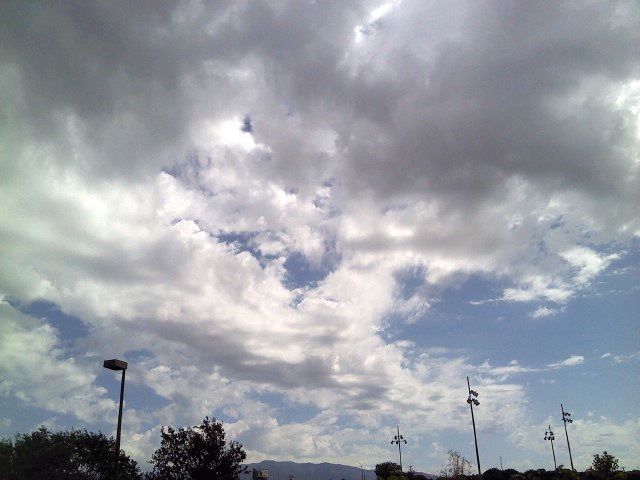
New Mexico might rank among the poorest states and the bottom of the national barrel for related indicators such as teen pregnancy, high school drop-out rates, and average household income… but we’ve got great skies. Dramatic, expansive, 365° beautiful skies. One sky often has 15 different displays of color, texture, light, shapes–something you just don’t see everywhere. While living at various times in other parts of the country and world, I think it was the New Mexico skies that I missed the most (green chile was a close second, followed by my family).
[Sept 14 4pm, west view]

(Sept 14 4pm, east view)

I’ve sold paintings of New Mexico skies for the past 13 years, and I’m telling you: more than anything, people love clouds. I once talked to a fellow artist who said he made his living in Santa Fe for 10 years drawing and painting nothing but clouds. No landscapes, no clever content, just skies with clouds. I’m not sure what it is, but clouds seem to inspire people in a special way. There are cloud clubs, Flickr Groups, and even a Cloud Appreciation Society who offer interesting ideas in their manifesto:
…We think that they are Nature’s poetry, and the most egalitarian of her displays, since everyone can have a fantastic view of them…
Clouds are so commonplace that their beauty is often overlooked. They are for dreamers and their contemplation benefits the soul. Indeed, all who consider the shapes they see in them will save on psychoanalysis bills…
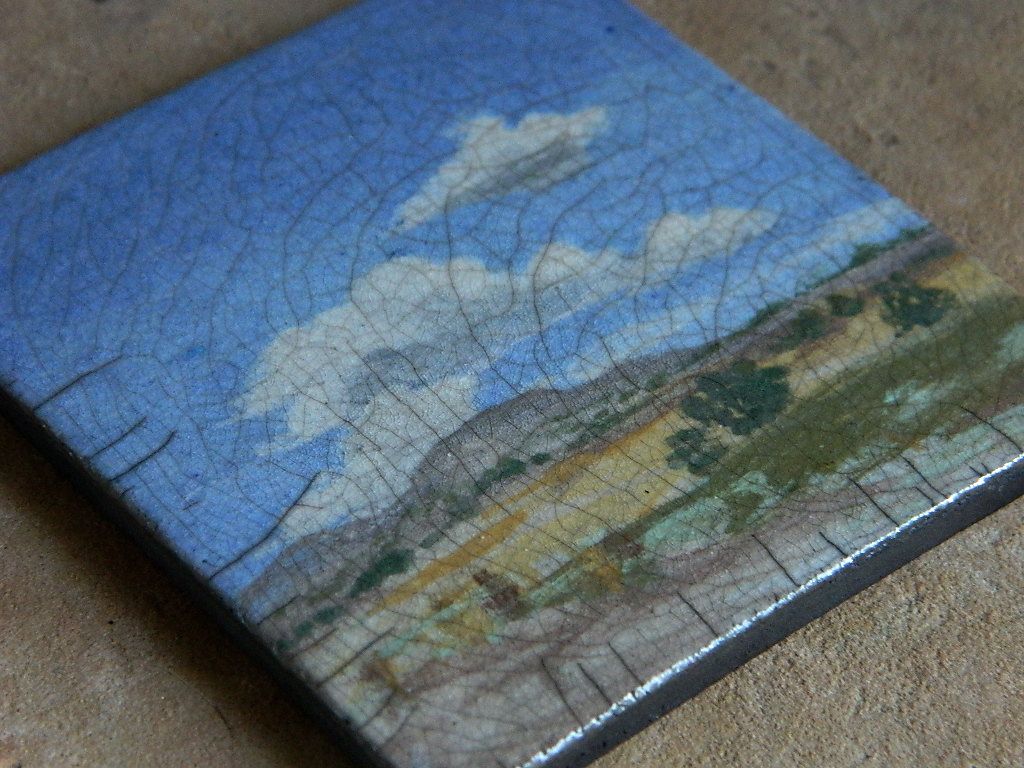
Small raku tile, 3.5" x 25."
Finally, monsoon season has come to New Mexico, bringing us closer to our 6″ average annual rainfall. These are my attempts to pin down a bit of the beauty in photos (phone cameras are so handy!) and raku tiles, soon to be listed in my Etsy store and available at Mariposa Gallery in Albuquerque.
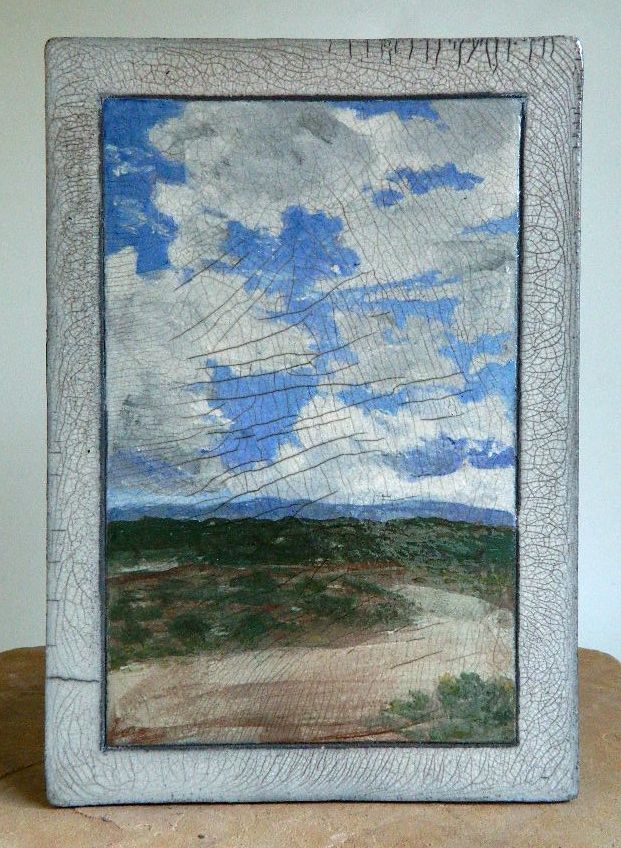
Large raku tile, 9.25" x 6.25" image size
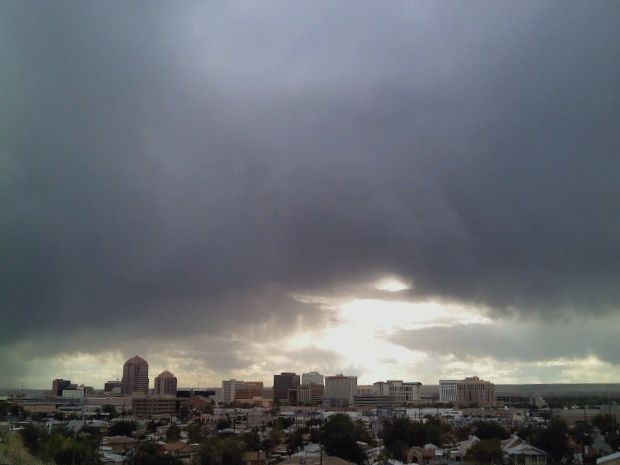


Small raku tile, 3.58" x 3"

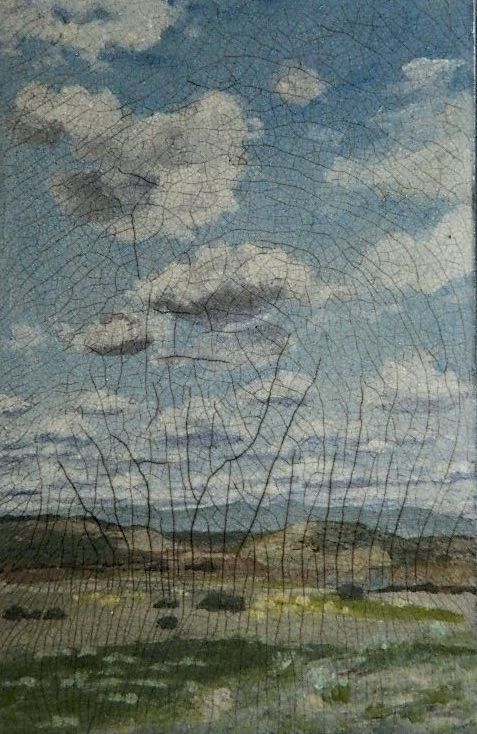
Hand-painted raku tile, 6" x 9.5" image size
Isabella and the Heart Palpitations
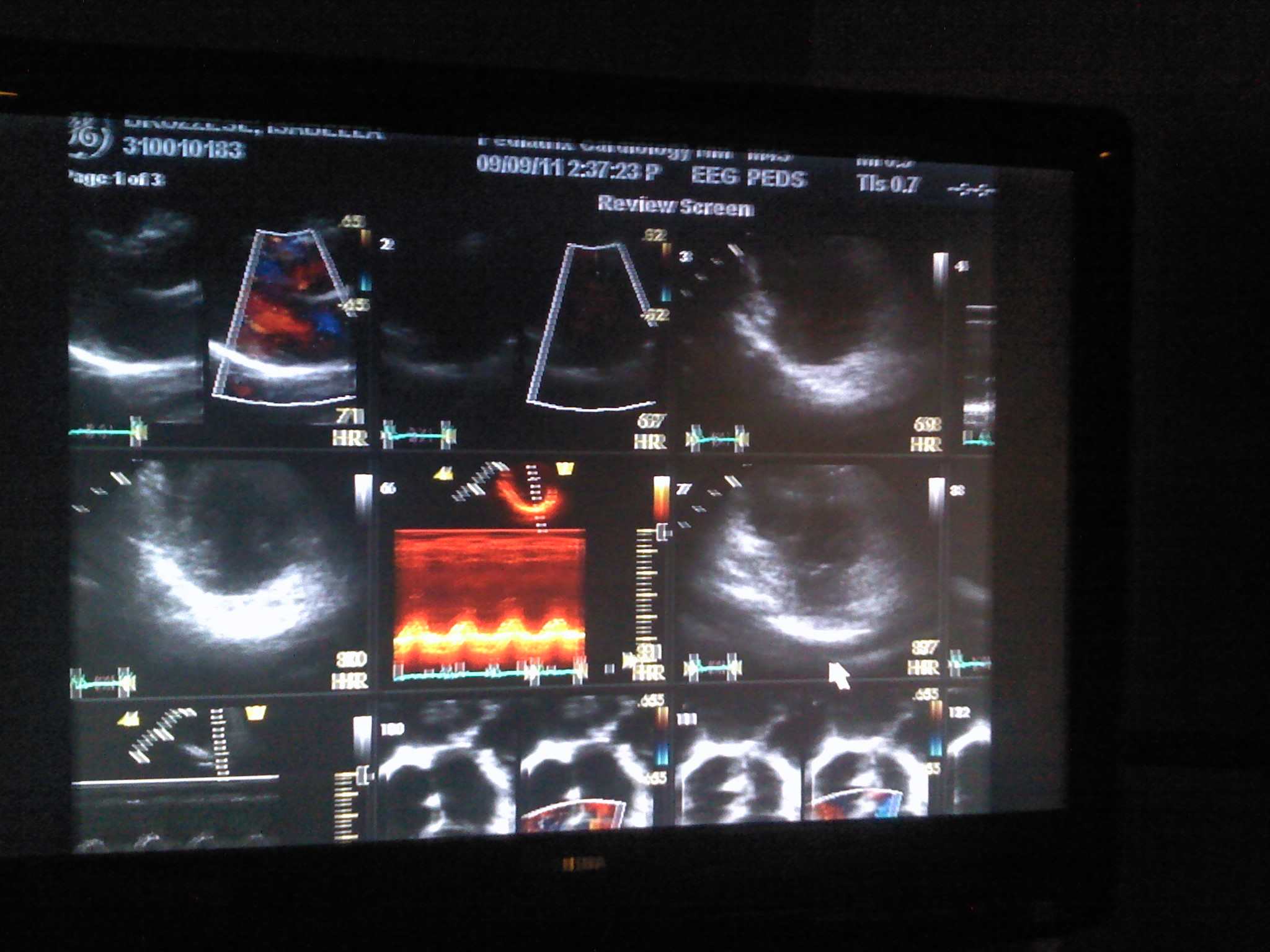 Being the mother of a teenaged daughter is not easy. Being the mother of a teenaged daughter born with a penchant for drama, whose life is a dramatic interpretation of reality itself, deserves a special perch among the martyrs of the world. I’ve been blessed with the good fortune of an extremely healthy child; colds and flus are rare, and with the exception of a broken arm at 18 months old, Isabella has had no medical mishaps or trips to the ER. In fact, so rare have illnesses been that the stomach flu was an unknown until Isabella was in first grade. I remember it very clearly: after spending most of the night with a high fever and vomiting, she asked me in the morning if I might pick her up a little early from school that day on account of the stomach flu. It was then that I realized the capacity for self-pity is learned.
Sadly, those days are gone, those innocent days of suffering without judgement, labeling, analysis, or demand for comfort because one is entitled to a safe and painless life.
Lately, for the past 6 months or so, Isabella has been complaining of occasional rapid heart beats, chest pressure, and random, shooting chest pain that she supposed emanated directly from her heart. She normally walks slightly hunched, with her long, slim arms folded at the bottom of her ribs. While this could be described as normal teenaged droop, it drives me nuts. One of the many times I returned her to the vertical (she finds this so annoying), she offered, “I can’t help it!” claiming that this particular arrangement of her limbs was an involuntary attempt to protect her heart (symbolic if not actual) which she believed was possibly gravely ill. God.
Because the complaints of rapid heartbeat seemed to be on the rise, I took her to the pediatrician. The pediatrician listened to the symptoms that Isabella articulated in extravagant detail and with appropriate facial gestures. For example, a wince at the mention of pain or a roll of the eyes when she described a fluttery episode at a school dance and the doctor suggested it was perhaps anxiety-related. After careful consideration, the doctor thought Isabella could possibly have Supraventricular Tachycardia (SVT), basically a short circuit in the heart’s electrical system that causes it to repeatedly beat rather than complete a cycle. A referral to the pediatric cardiologist was issued.
The day before the cardio appointment, I noticed Isabella’s Facebook status: FOR SALE: 1 heart. Bad condition, may have Supraventricular Tachycardia.
The appointment was yesterday afternoon. After considering previous medical experiences with my daughter over the past 13 years, including fainting after a shot and squealing in a lab corner when a PA tried to draw blood for an anemia test, I decided to make a preemptive strike. Hoping to thwart gloom and drama at the cardiologist’s, I presented her with pumpkin bread and a chai latte when I picked her up from school.
Seemed to work at first, until she burst into tears after my brother called on the way to the appointment to let us know that his wife, who had just undergone surgery, was doing well. Naturally, I assumed Isabella’s reaction was related to the phone call, but I had no way of knowing for sure because my questions were met only with angry, sullen, streaky tears. Later, Isabella clarified that she was just crying because she really didn’t want to know about her heart, dour as the news was sure to be. God.
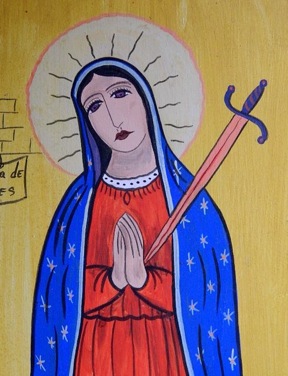
“Nuestra Senora de los Dolores (Our Lady of Pain and Suffering)” by Cipriano
I attempted to promote a cheery optimism by inventing a song about irregular heart beats and cardiac arrest that I sang aloud all through the hospital corridors as we searched for the right elevator system to whisk us to the appointment. But strangely, this did not lighten Isabella’s mood. In fact, she stormed several feet ahead of me, flat-ironed hair whipping behind her, for the remainder of our hospital journey. By the time we arrived at the correct office, her face was swollen and as red as her Holy Ghost Catholic School t-shirt, and I was hoarse.
We were escorted to an exam room by a girl who appeared to be 17 but was really 32. She took weight, height, blood pressure, and then started sticking things to Isabella’s body as she lay down. The MA stopped abruptly when she saw tears trickling down Isabella’s face, falling in sad drops onto the vinyl exam table. At that point, the MA realized she should perhaps let Isabella know what the stickers were for: to attach EKG monitors, not administer subcutaneous poison or electrical shock treatment. Whew, what a relief!
Next, the doctor: a very nice doctor who thankfully had two teenaged daughters of his own. He spent lots of time reviewing the EKG (normal) and asking about symptoms. Again, Isabella described her heart sensations with accuracy, flair, illustrative detail that would make her English teacher proud. The doctor actually congratulated her for the eloquent and well-spoken responses which he would have expected from someone 16, not 13.
After discussing his assessment and options for further exploration of the symptoms, we decided on the best course of treatment. First, Isabella would have an ultrasound to rule out a faulty valve; next, we would take home a small monitor to be worn for a month, a button pressed for every episode. Great! Off to the ultrasound room we went.
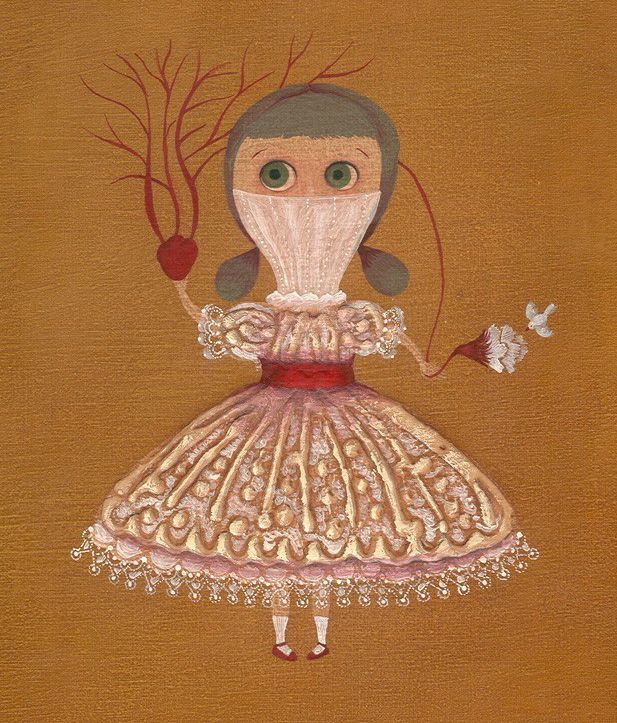
Heart Inspection by Elsa Mora. Visit her beautiful Etsy shop by clicking on the image.
Anyone who’s had an ultrasound knows they are usually simple, painless, and kinda fun, right? I had no reason to anticipate complications here. So, simple, right? God.
Granted, it didn’t help that the radio tech didn’t tell Isabella what, exactly, she was doing, why, or how she could help make it a successful experience. She just started whisking around with the ultrasound wand telling Isabella to stop breathing so deeply because her lungs were in the way, and turn over this way no that way and don’t be scared, wait, lift your knees ok I think we got it but stop breathing now what’s wrong honey why are you crying? Don’t be scared!
My capacity for drama already saturated for the day, I sat in the darkened room mesmerized by the videos of Isabella’s heart from all angles, whoosh whoosh whoosh the last time I’d seen her heart on a monitor, it was just a cluster of cells already beating in unison. Whoosh whoosh whoosh, the ocean, drums, Ohm.
By the time I regained consciousness, the ultrasound was done, the tech disappeared, and Isabella was long into the description of how traumatic the procedure had actually been. Pain, pressure, humiliation, partial nudity. One more thing for the kids at school to gawk at, 6th degree of separation from normal! God. I considered another rousing chorus of “No One Loves A Deadbeat” but just didn’t have the energy.
The doctor came in and looked at the heart movies on three different monitors. He saw only healthy valves, flow, pumping, all things cardiac. As these reassuring declarations of normal heart issued forth, I looked across the room and saw Isabella visibly brighten, an apparition of the Grim Reaper floating reluctantly out of a hole in the middle of her forehead … until next time, sucka!
And so, here we are on a blustery September day with a heart declared Normal–but a monitor on the way, one last attempt to discern the symptoms. The doctor said one possible explanation is Isabella’s very structure: tall, slim, long. It could be that she feels her heart more intensely than the rest of us, experiences anomalies that we all have but aren’t aware of. I like that idea and yet it makes me sad thinking of the aches and pains that await her in adolescence and beyond, extra deep, fast, jumpy and unstoppable.
Meanwhile, Isabella has written a long Facebook status post with details of the exam that includes,“So whoever goes to my school and sees me walking around with a small electric box attached to my hip with wires that go under my shirt…” just in case her condition should go unnoticed.
Enjoy The Organ Donor’s March by Kim Boekbinder, which I thought a marvelous soundtrack for this post.
Lost & Found: Friends
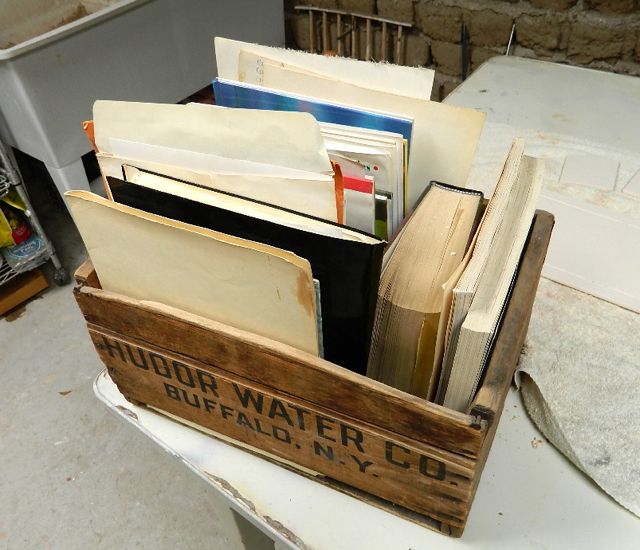 A few months ago, I was forced to go through some old boxes that had been abandoned at my mom’s house for too many years. I hate going through old boxes of stuff because then you have to do something with it, or throw it away. Both of those options present a hideous dilemma because a) my house is small and b) ever since reading that chapter in The World Without Us about how plastics will be on the earth until something evolves to digest them… I can’t bring myself to casually add to the collective trash heap. If you live in a small house like I do, I’m sure you feel my pain. And yes, I’m fairly certain it was “instincts” like these that motivated the 80-yr-old hoarder I bought my house from to return, even after closing, to pick through the dumpster in the driveway as we remodeled. To retrieve her stuff and keep it in one of her *three* storage units.
But this particular tour of memorabilia was surprisingly rewarding. I came across small collections of papers and cards leftover from once-important friendships–women I’d lost touch with in the dark ages of letter-writing and land lines. I’ve never been one to have 12 best friends, but rather just a few who inspire and feel specially connected. So, like any modern woman in pursuit of past friendships might do, I Googled them. This is what I found:
 Kiki Laier was my best friend at The University of the Pacific, 1986-87. I was a Piano major and she a graphic designer. This was the time of pre-digital design, which meant everything was done by hand: Lettraset rub-down type, drawing, pasted images, etc. Kiki taught me to do many of these things and I was totally fascinated. I loved to sit at the drafting table in her tiny dorm room, covered floor-to-ceiling with posters and cards, and make my own things; for example, fake backstage passes for bands who played at the university. A particularly resplendent example was made for The Pretenders/Alarm and it worked like a charm. (Ah, the days before bar codes and holograms!) I wish I could post a picture of that pass, but if I recall, it was lost when I tried to use it again to see The Alarm at UNM in Albuquerque later that summer. So confident was I that I bragged to one of the roadies about getting in for free with my magnificent pass, and he promptly confiscated it. Hmf.
Kiki showed me San Francisco, took me home to Santa Rosa to meet her family, and was my constant companion that year. We remained friends on and off for the next 12 years. She married fairly soon after college and, after 6 long years of trial and error, became pregnant and had a daughter in 1998. Same as me. She was so thrilled to be a mom. She became very involved with her new baby in California, and I with my own life in New Mexico, and eventually phone numbers & addresses changed and we lost touch.
I’d tried searching online for Kiki many times but never found anything. Finally, a few months ago, I did find something — her obituary. She died last Christmas morning after a 5-yr battle with breast and bone cancer. I wish we (she) had had more time.
 The second girl I came across in this box was also from my college days at UOP. Our senior year, Karen Carissimo and I were friends and classmates in both Drawing and Adv. Poetry. I enjoyed her company and loved her writing. She was bird-tiny and funny and insightful. I found this poem of hers and remembered it well. In fact, I’d carried around the visual impression of those deer for 18 years!
What I’ve learned about Karen: she’s now a professional writer and poet living in the Bay Area, just as beautiful as she was in 1988. We’re Facebook friends, enjoying getting to know the lived-in, 40s versions of ourselves. Karen is working on a book, and if you’d like to keep up with when Iris Press will be publishing it, you can join 2873 other people on her Facebook page and get updates.
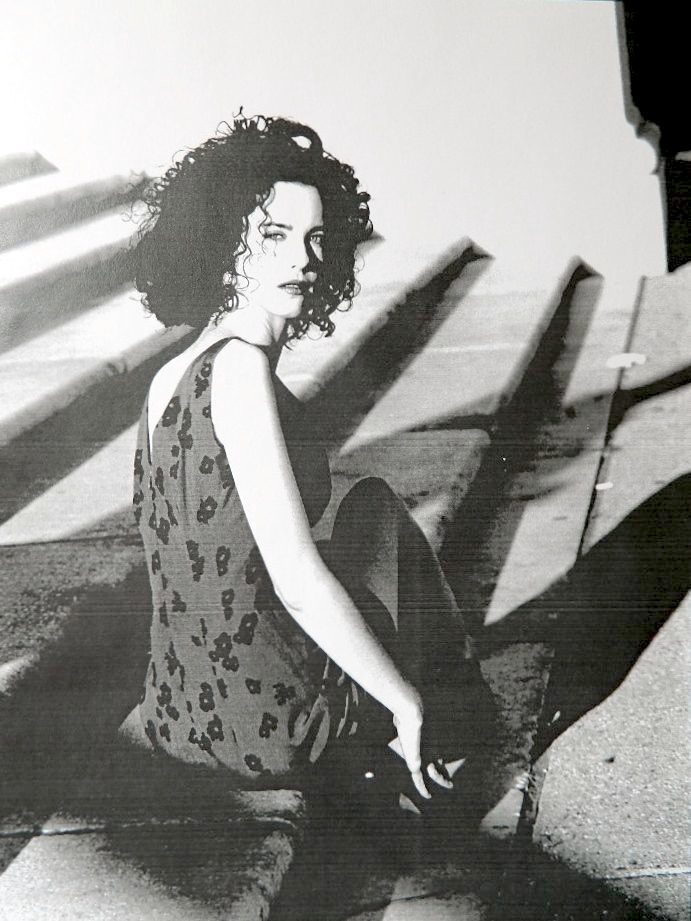 And here’s the third girl. A 22-year old from New Mexico, 5’10” and 118 pounds, hoping to do some part-time modeling to help pay for art school. She was pretty naive and had no idea that not only was she not cut out to be a model (for many reasons), but really, she was just a white little egg who thought she knew something. As it happened, life was just then hovering over her, brooding and warming up for the great cracking apart: welcome to the world, nuisance of life and death, your shiny and imperfect moment.
Click to see my new website for ceramic & biodegradable cremation urns


 Live Clay