Live Clay
Ceramics & Custom Urns by Laura Bruzzese
Roping A Deer
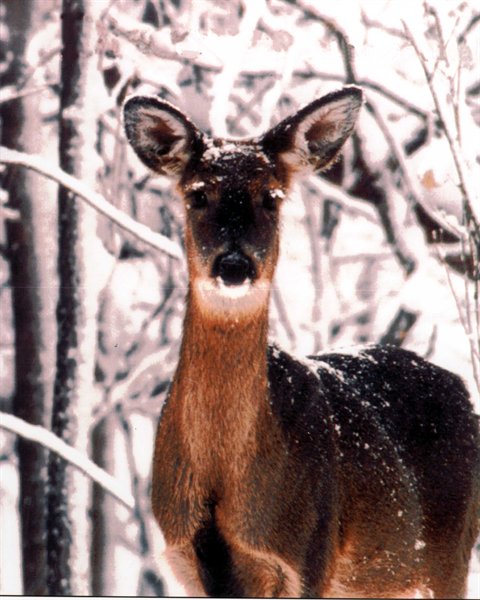 Someone emailed this to me and I think it’s funny no matter who you are. I can’t take credit for writing it (although I did add the picture), but couldn’t resist posting. Enjoy!
“I had this idea that I could rope a deer, put it in a stall, feed it up on corn for a couple of weeks, then kill it and eat it. The first step in this adventure was getting a deer. I figured that, since they congregate at my cattle feeder and do not seem to have much fear of me when we are there (a bold one will sometimes come right up and sniff at the bags of feed while I am in the back of the truck not 4 feet away), it should not be difficult to rope one, get up to it and toss a bag over its head (to calm it down) then hog tie it and transport it home.
I filled the cattle feeder then hid down at the end with my rope. The cattle, having seen the roping thing before, stayed well back. They were not having any of it. After about 20 minutes, my deer showed up– 3 of them. I picked out a likely looking one, stepped out from the end of the feeder, and threw my rope. The deer just stood there and stared at me. I wrapped the rope around my waist and twisted the end so I would have a good hold.
The deer still just stood and stared at me, but you could tell it was mildly concerned about the whole rope situation. I took a step towards it, it took a step away. I put a little tension on the rope .., and then received an education. The first thing that I learned is that, while a deer may just stand there looking at you funny while you rope it, they are spurred to action when you start pulling on that rope.
That deer EXPLODED. The second thing I learned is that pound for pound, a deer is a LOT stronger than a cow or a colt. A cow or a colt in that weight range I could fight down with a rope and with some dignity. A deer– no chance.
That thing ran and bucked and twisted and pulled. There was no controlling it and certainly no getting close to it. As it jerked me off my feet and started dragging me across the ground, it occurred to me that having a deer on a rope was not nearly as good an idea as I had originally imagined. The only upside is that they do not have as much stamina as many other animals.
A brief 10 minutes later, it was tired and not nearly as quick to jerk me off my feet and drag me when I managed to get up. It took me a few minutes to realize this, since I was mostly blinded by the blood flowing out of the big gash in my head. At that point, I had lost my taste for corn-fed venison. I just wanted to get that devil creature off the end of that rope.
I figured if I just let it go with the rope hanging around its neck, it would likely die slow and painfully somewhere. At the time, there was no love at all between me and that deer. At that moment, I hated the thing, and I would venture a guess that the feeling was mutual.
Despite the gash in my head and the several large knots where I had cleverly arrested the deer’s momentum by bracing my head against various large rocks as it dragged me across the ground, I could still think clearly enough to recognize that there was a small chance that I shared some tiny amount of responsibility for the situation we were in. I didn’t want the deer to have to suffer a slow death, so I managed to get it lined back up in between my truck and the feeder — a little trap I had set before hand… kind of like a squeeze chute. I got it to back in there and I started moving up so I could get my rope back.
Did you know that deer bite?
They do! I never in a million years would have thought that a deer would bite somebody, so I was very surprised when … I reached up there to grab that rope and the deer grabbed hold of my wrist. Now, when a deer bites you, it is not like being bit by a horse where they just bite you and then let go. A deer bites you and shakes its head — almost like a pit bull. They bite HARD and it hurts.
The proper thing to do when a deer bites you is probably to freeze and draw back slowly. I tried screaming and shaking instead. My method was ineffective.
It seems like the deer was biting and shaking for several minutes, but it was likely only several seconds. I, being smarter than a deer (though you may be questioning that claim by now), tricked it. While I kept it busy tearing the tendons out of my right arm, I reached up with my left hand and pulled that rope loose.
That was when I got my final lesson in deer behavior for the day. Deer will strike at you with their front feet. They rear right up on their back feet and strike right about head and shoulder level, and their hooves are surprisingly sharp. I learned a long time ago that, when an animal –like a horse — strikes at you with their hooves and you can’t get away easily, the best thing to do is try to make a loud noise and make an aggressive move towards the animal. This will usually cause them to back down a bit so you can escape.
This was not a horse. This was a deer, so obviously, such trickery would not work. In the course of a millisecond, I devised a different strategy. I screamed like a woman and tried to turn and run. The reason I had always been told NOT to try to turn and run from a horse that paws at you is that there is a good chance that it will hit you in the back of the head. Deer may not be so different from horses after all, besides being twice as strong and 3 times as evil, because the second I turned to run, it hit me right in the back of the head and knocked me down.
Now, when a deer paws at you and knocks you down, it does not immediately leave. I suspect it does not recognize that the danger has passed. What they do instead is paw your back and jump up and down on you while you are laying there crying like a little girl and covering your head.
I finally managed to crawl under the truck and the deer went away. So now I know why when people go deer hunting they bring a rifle with a scope to sort of even the odds. All these events are true so help me God…”
–An Educated Rancher
Post Dia de Los Muertos

Dia de Los Muertos Marigold Parade, photo by Margot Geist, 2010
I was going to write this post on November 1 for Dia de Los Muertos , but time really got away from me and here it’s already the 10th. Oh, well. Perhaps I was also intimidated by this Los Muertos post by a fellow Albuquerque blogger and writer, Kira Jones. She does a great job capturing the spirit and tradition.
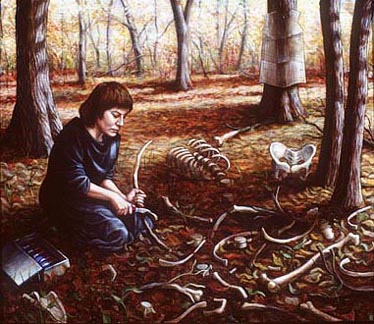
Riva Lehrer, In the Yellow Woods, 10 in. x 12 in. acrylic on panel
But still, I have something to say here. In remembering the souls recently departed from my life, I thought of the supremely talented musician, founder of the Church of Beethoven, friend, and all-around fine human being Felix Wurman; I think of my good friend Stuart’s wife, Annie Rodgers; and I think of my beloved guard dog, Diego.
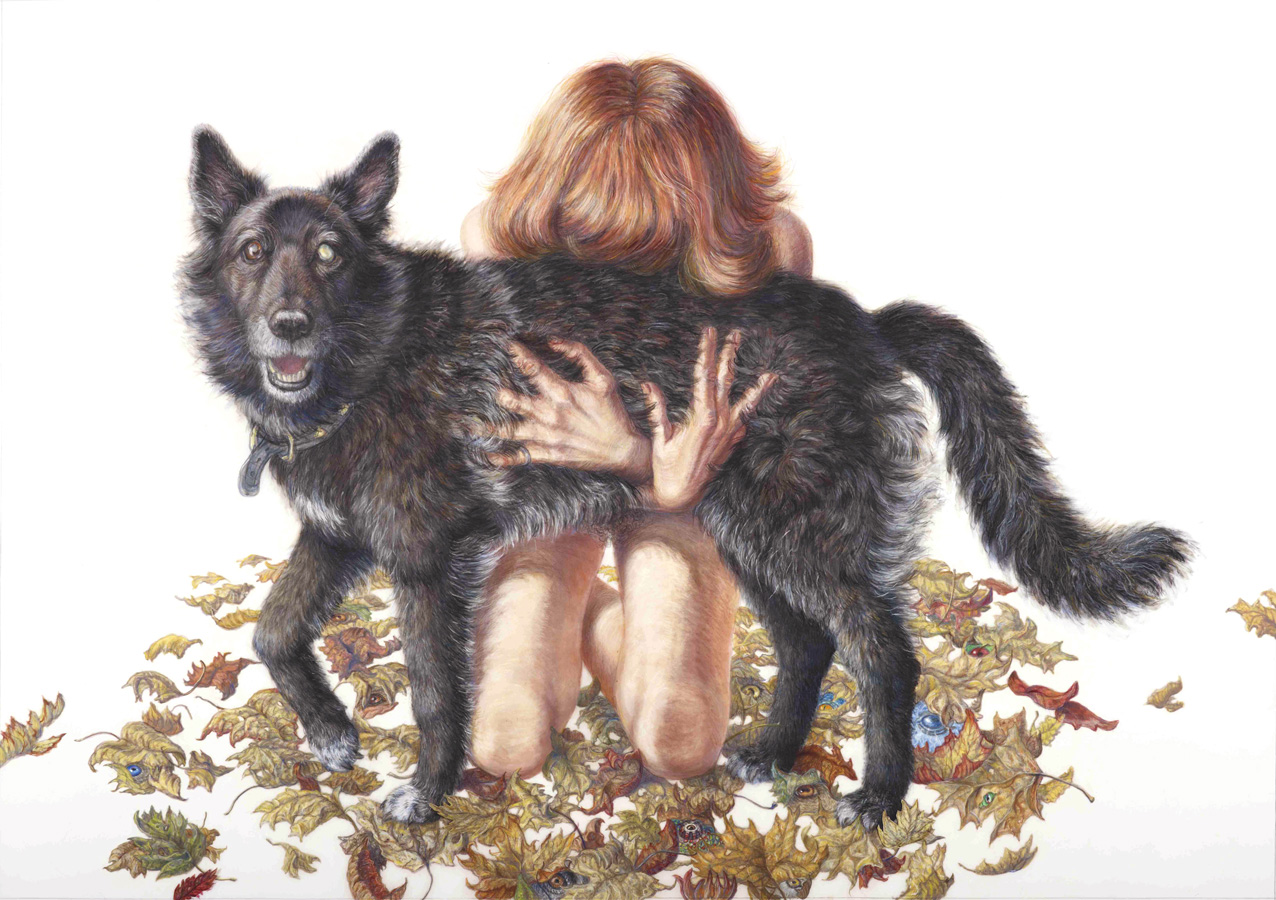
Riva Lehrer, Zora (last portrait), mixed media on panel, 36 in. x 50 in.
And for some unknown reason, though she is still very alive, I thought of Riva Lehrer, a fantastic artist and activist and my old friend from the School of the Art Institute of Chicago with whom I recently reconnected. So today I will celebrate the living with a short post about this remarkable woman.
I first met Riva in an anatomy class where, among other things, we had to memorize, draw, and label somewhat competently the entire skeletal and muscular systems (three layers) of the human body. Riva was a good student and a really good draftswoman and her drawings generally put mine to shame. Plus, she had a good sense of humor. She was always willing to help me, and by the end of the semester I was able to wrangle out a decent-looking skeleton with passable musculature. (As we know, science-y things aren’t my favorite.)

Riva Lehrer, Corner, acrylic on panel, 20 in. x 16 in.
Riva and I became friends and as I got to know her, my admiration and respect for her artistry, skill and perseverance deepened. Riva was born with spina bifida which led to 43 surgeries and over 300 hospital visits. Every day was a challenge. It took a long time for her to graduate because she often felt sick or was in pain. Riva struggled with things that most people take for granted: walking up stairs, sitting in a chair for extended periods, carrying large things, walking long distances (able-bodied people often took the handicapped parking spaces near school). After I graduated and moved back to New Mexico, Riva continued to develop her work, exhibiting in galleries and shows around the country. She still lives and works in Chicago.

Riva Lehrer, Pattern, 1995, acrylic on panel, 18 in. x 24 in.

Riva Lehrer, Deborah Brod, charcoal/mixed media, 30 in. x 44 in.
I learned from her: about patience and perspective, tenacity, strength, and being in union with life’s circumstances. (And this was when I was young and arrogant and thought I knew something.) Since then, since being kicked into Life and taking up the journey of forgiveness — forgiving reality for what it is, and myself for thinking it should be anything different — I realize that Riva has probably been on this journey for a very long time. She’s lived it well and I appreciate her even more now. Thank you Riva.
 `
`
Best Roasted Pumpkin Seeds & Other Halloween Surprises
 Dear Readers,
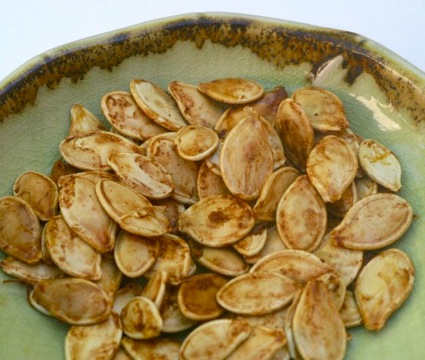
It’s Halloween weekend! As I’m writing this, a magnificent smell is wafting in from kitchen and so I must begin with one of my main October devotions: roasted pumpkin seeds (aka pepitas). Some people think carving is the best part of Halloween pumpkins; but for me, it’s diving into the sultry, cavernous globes to harvest handfuls of slippery seeds. I buy entire pumpkins just for the seeds, collect them from family and friends after their Halloween carvings, and store the roasties for months. And the little green & white beauties aren’t just delicious, they’re packed with protein and minerals, making them a far superior snack to chips or pretzels. (Check out this WHFoods article to learn more.)
I would happily eat roasted pumpkin seeds (and popcorn) in huge and shameless quantities every day, but considerations of weight, variety, and basic human decency force me to maintain something resembling balance and composure. So, in celebration of restraint and delayed gratification, here’s the roasted pumpkin seed recipe that will put all others to shame and perhaps convert you into addict (and vow never to buy those creepy David’s again):
The key to this recipe is to NOT wash the seeds after you’ve scooped them out. Just separate the larger wads of flesh and toss them out or compost. The slimy goo and bits of stringy stuff combined with butter form a delicious, crispy coating on the seeds.
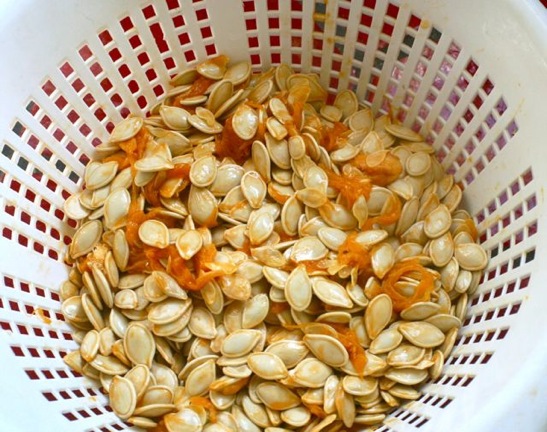
In a 10- by 15- inch baking pan, mix 2 cups unwashed pumpkin seeds, 1 1/2 tablespoons melted butter, 1 1/4 teaspoons salt, and 1/2 teaspoon Worcestershire. Spread seeds out in pan. Bake in a 250° oven, stirring occasionally, until browned and crisp, about 2 hrs. Serve warm or cool. You can store the seeds in a baggie or container (let cool completely first) up to one week.**
**3 months, if you can resist temptation
Now, for a couple more Halloween surprises:
1) FOR BLOG [thanks for reading!] READERS ONLY: On Halloween Day (’till midnight on the 31st): 50% off anything in my Etsy store with the tag “Blue” (because it rhymes with “Boo”). Limit one per reader. Have fun!
2) This Halloween e-card, which is really a short movie, is great.
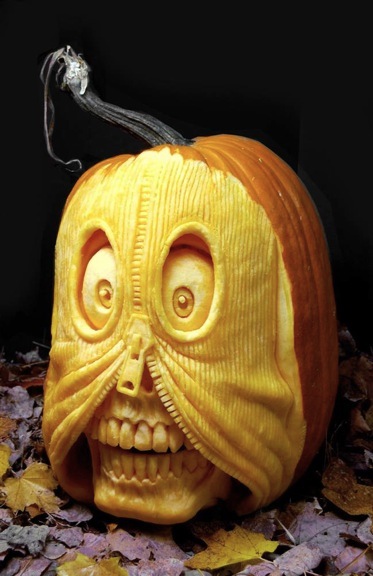
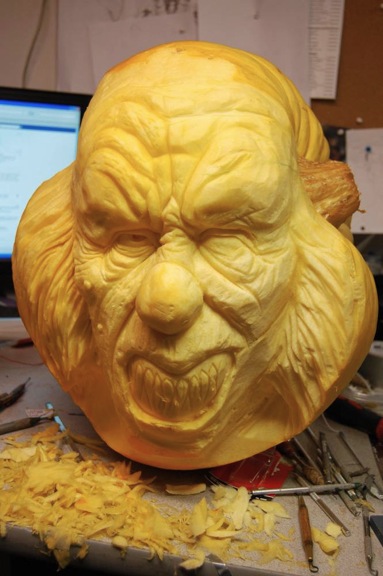
3) Someone sent me pictures of these pumpkins by artist Ray Villafane, who started carving them on a lark for his students in Michigan. He’s a super-talented sculptor with 6 kids (!). Check out more of his work and a carving tutorial here. I think they’re fantastic… And a little disturbing. Happy Halloween everyone!


5 Reasons to Love the Fall in New Mexico
 October is my favorite month. The weather is perfect, the sky is still bright, and there’s a lot happening here in the Land of Enchantment. It’s the season of harvest and gold and dying things. Here are five of my favorite things to do and see in the early New Mexico Fall. It was too hard to choose just a few images to illustrate my amorous affection, so there’s a slide show at the end for those of my vast readership who, like me, just can’t get enough… enjoy!
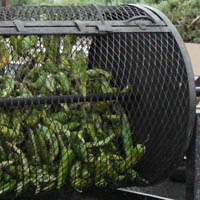
1. Green chile For those of you who have not been in New Mexico in the early Fall, I’m sorry to tell you you’ve missed out on one of the best local olfactory sensations: the smell of roasting green chile. Supermarkets and farm stands around Albuquerque haul out their propane-powered roasters and make themselves available for at least a month during chile harvest season, filling the air with a… burned spicy smell… that can’t be described with words. Has to be experienced. Everyone around here knows that regardless of what variety the tasty green treasures are, Slim Jims or Sandias, hot or mild, long or short, green chile is just green chile. Drape it on burgers. Scramble it with eggs. Roast your own on the stove. Make enchiladas or chile rellenos. Freeze lots to keep you warm in the winter. Packed with vitamins C & A, and leutin, it’s no wonder that spicy green chiles have been a New Mexico staple for hundreds of years. Love it!
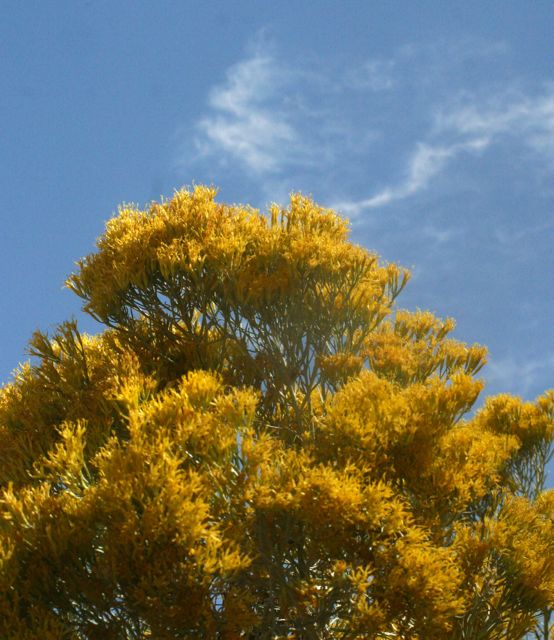
2. Chamisa This native sage blooms gold-yellow in the Fall and is one of my favorites. It smells like death but looks so beautiful in the landscape. It’s like the last golden hurrah before the gloomy, colorless winter (all three months of it). The color yellow is associated with sunshine, awareness, clarity, and unrequited love (I’ll refrain from drawing conclusions here). It’s the easiest color to see on the spectrum because it reflects the most light, makes a great last burst of October color before winter. Stinky but beautiful. Love it!
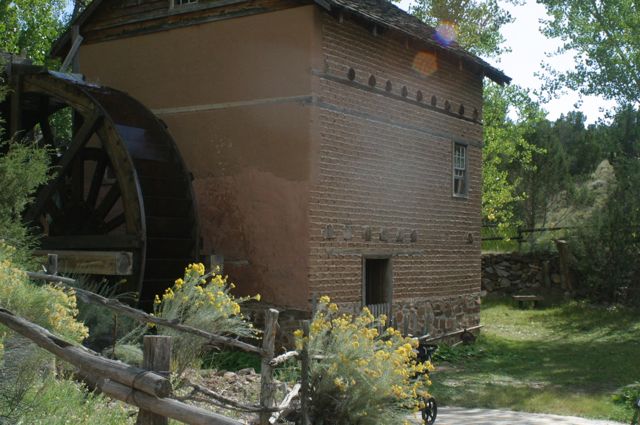
3. El Rancho de Las Golondrinas Our Fall rituals include a trek to the Harvest Festival at El Rancho de Las Golondrinas living history museum, located on 200 acres of rural farmland just south of Santa Fe. Once a working ranch that was an important stop along the El Camino Rael (theroyal road that was the only line of transport between New Spain and the rest of the world in the 16th & 17th centuries), it’s now preserved as an example of Spanish Colonial life in New Mexico. Many of the buildings are original and others have been moved from other parts of Northern New Mexico and reassembled on site. Tortilla making. Blacksmithing. A working mill. Traditional music and dancing. A great way to spend the day. Love it!
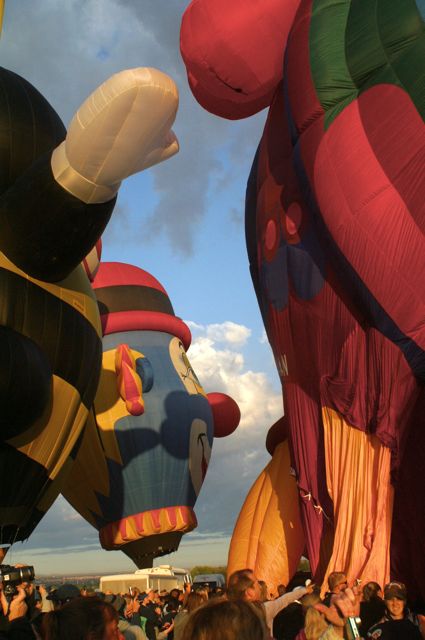
4. Balloons I don’t make the Fiesta every year because I still have nostalgic longings for way back when… when the Fiesta was just a bunch of balloons on a quiet field with a burrito or hot chocolate stand here and there, eerie, dark and silent except for the whoosh of gas burners. Now, with its “main street” that reminds me of a strip from the State Fair, its corporate tents and constant music on two stages, the Fiesta is a different experience. But oh, well. We made it for mass ascension at the crack of dawn this year and the sky was as spectacular as the balloons. I was reminded of how beautiful, strange, and disorienting it is to walk around while these giant shapes come to life and fly away. There’s also a swanky new museum with an interesting history of ballooning. Bright colors. Strange shapes. Disorienting. Love it!
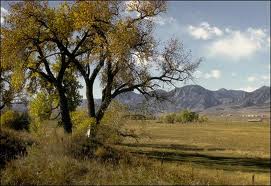
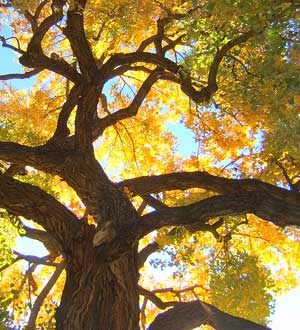
5. Cottonwood Trees These dark and twisty natives light up in the Fall each year with every shade of yellow imaginable. The entire bosque (forest) along the Rio Grande turns into a golden ribbon, especially if the weather stays mild. The Rio Grande Cottonwood loves water and is native from Mexico to Southern Colorado. I read once that it will spontaneously “explode” its own branches off in order to kill competing species below. That’s my kinda tree! In the 17th & 18th centuries, traditional santos (saints) were carved only from the roots of cottonwood trees. That’s how you can tell the antiques from the replicas–the antiques are very lightweight. In the Spring, female cottonwoods make little clumps of capsules with cottony seeds that fly through the air and cause allergy havoc (no wonder they’ve been banned). Heart-shaped leaves. Golden yellow in the Fall. Predatory. Carved into saints…. Love it!
Mourning
 Please excuse the long absence. I lost Diego three days after my last post and haven’t felt much like writing. But I’ve kept busy with studio work which was helpful, and slowly, things are getting better. I’ll post pictures of new work tomorrow or the next day.
These mourning doves showed up in front of my studio a few days after Diego died, keeping me company for a few weeks as the baby grew up. The three of them, mother, baby & nest, were apparently blown out of a tree one stormy afternoon. I came home to find the mother sitting on her chick on the ground. I thought it was too dangerous for them to stay there, so I nailed a plastic container to a branch in the tree and put the nest and chick in it. I was afraid the mother wouldn’t come back, but she did. The tupperware-enhanced nest proved quite sturdy and they were there every day keeping watch over the driveway. Once the baby fledged, it hung out on the studio porch and in the back yard for a while learning to fly.
I read a bit about mourning doves while they were here. It turns out they’re the closest genetic relatives to the Passenger Pigeon**, which once numbered in the billions in North America until they were hunted to extinction in the early 20th century.
 The flocks were commonly 300 miles long and 1 mile across, if you can imagine that. According to the Wikipedia contributors, the real decline occurred when pigeon meat was commercialized as a cheap food for slaves and the poor in the 19th century, resulting in massive hunting. Before poultry farms, there were passenger pigeons. They were netted in trees and hunted with shot guns, whose pellet sprays could bring down dozens at a time. When it became clear in 1850 that their numbers were diminishing, frenzied hunters went out and killed even more. Subsequent attempts to establish captive flocks failed because it was discovered too late that they were very gregarious birds who practiced communal nesting and breeding. Only very large flocks with very large breeding grounds were sustainable. The last known passenger pigeon died in the Cincinnati Zoo in 1914.
Mourning doves are also hunted, but amazingly resilient. It’s estimated that 40-60 million are shot by hunters every year, yet their numbers remain consistent (around 475 million). They can have up to 6 broods each season with one or two eggs per brood. The possibility of using mourning doves to clone extinct passenger pigeons has even been discussed. Weird.
 **update: Thank you Jason for the link to this Science Daily article describing how the mourning dove is not, in fact, the closest genetic relative to the passenger pigeon. As it turns out, other North and South American pigeons are more closely related (as published Oct. 2010 in Molecular Phylogenetics and Evolution). Interesting article with lots of passenger pigeon info & more sciencey stuff about mynotypic genuses, phylogenetics and other things that tend to make me want to eat chocolate.
When Do You Know It’s Time?
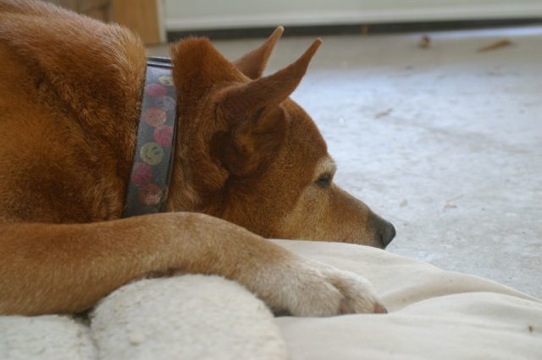
Today, I spent a good part of the morning at the vet’s office with my boy Diego, 16-years-old this month, and decided to write about him and old dog things. Anyone who’s cared for a dog that has lived into what I call the Ultra Years — past the normal breed lifespan — will certainly relate to the many changes I’ve witnessed and adjusted to over the past few years.
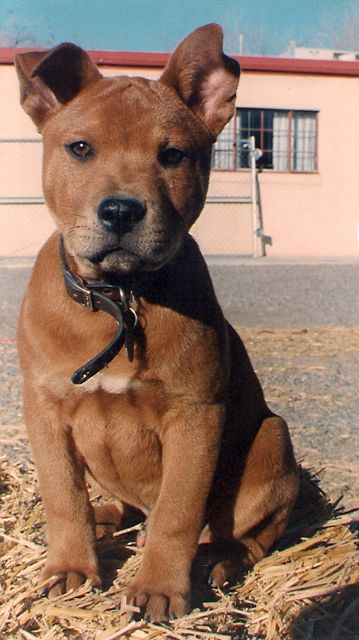
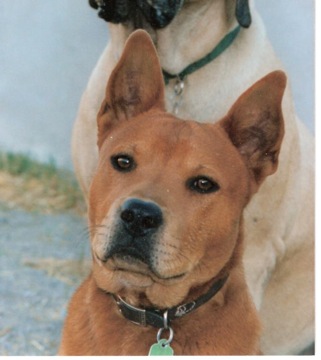
It’s hard to remember that the 42-pound Chow/Pit cross who can now usually be agile, 58-pound, muscular, curly-tailed guard dog that posed for pictures and devoted himself to licking my feet. Diego was found in by my neighbor in a cardboard box dumped at a laundromat in 1994 when he was 8-weeks-old. We’ve been together ever since. He’s incredibly smart, understands about 50 words and phrases, loves riding around in the car, and likes affection but not all the time.
These days, our dog-and-caretaker life centers mostly around Diego’s, or Mr. Poopy’s, bodily functions. Today I found out that, yet again, he has a bladder infection — an unfortunate recurrence which, in Diego’s case, involves expensive bacteria — the kind that require $10 pills to exterminate. We also learned that his kidneys are failing more than they were 6 months ago, and his hind legs are just… not very connected to his brain anymore. But he’s not blind or deaf or terribly demented, and doesn’t seem to be in pain.
Me? I’m tired. I can’t remember when I last slept the whole night because I’m usually up in the wee (wee) hours cleaning one mess or another as Diego struggles to get outside; listening to make sure he comes back in; or kept awake by the click-clickity-click of his toenails on the hardwood floors as he laps the house for unknown reasons, like an old person walking the mall. It’s the exhaustion of having a newborn. He sleeps on towels and small blankets that are washed almost daily. Is it time to say good-bye just because he has accidents and seems a little daffy? The vet told me that’s usually when people make The Decision. But I can’t do that.
It has occurred to me, as I told a friend not long ago, that caring for an old pet in this way is the closest that many of us will come to experiencing the end stages of human life. Where dying parents and elders were once looked after by family members at home, they are now almost always in hospice, nursing homes or hospitals. Families may visit and spend as much time as possible with their loved ones, but they aren’t there day-in and day-out, participating as fully in the dying process as they did in the living, experiencing in the small, gray hours the struggles and changes and odors that occur as the body and mind begin to go their separate ways. Struggles that are now the business of paid professionals.
So today, like most days, I weighed the options, tried to assess Diego’s quality of life (and mine), shed a few tears, and decided he still has enough persisting dog qualities and enjoyment of dog things to proceed. I’ll do my best to keep his life comfortable.
And as I try to prepare myself for the day we’ll say good-bye, I feel blessed to have shared this bond, to have walked with such a loyal friend and indescribable comfort, my constant companion, bearing silent witness to all that has enlightened and devoured me over the past 16 years.

Little Vipers Daycare
 When gallery sales are slow, I sometimes work part-time jobs to fill in the financial gaps. Last year, after five luxurious years of working full-time in my studio, the economy took its toll on my career and I had to look for other work. I was fortunate enough to find a part-time, flexible, stress-free job at a non-profit. I slowly acclimated to office culture, complete with potlucks, gossip, and composite surfaces gleaming under the florescents. Quite the change from my peaceful, turn-of-the century adobe studio that opens into the garden, with dogs, birds, and toads to keep me company while working on whatever inspires my creativity at the moment. I think they like having me in the office, the only creative presence in the whole place. Sometimes, they just want me for my ideas. And that’s fine.
Today I’m at the office and was asked to come up with some names and marketing info for a new child care center. Here’s my idea (I’m pretty proud of it).
“Clean your room or you’ll get vermin!”
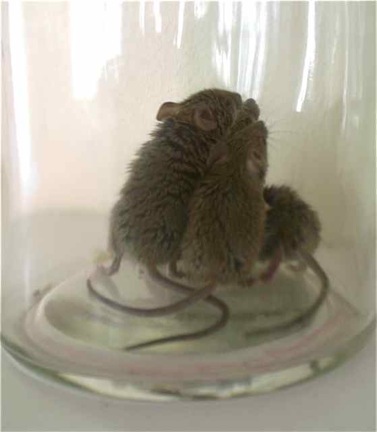 That was the motivational statement I used for many years to try to scare my daughter into cleaning her room. The Swamp, as I called it, harbored everything from rocks to dead beetles to bits of broken toys, all of which would randomly surface and sink back into obscurity, and all of which she insisted on keeping because it might one day fulfill a vital role in some project or other. I understood her need to surround herself with materials to feed her imagination, and I must admit I’m prone to the same tendencies. But this was out of control. At least my junk is organized and in the studio and does not include decaying things (although discovering the dead robin I’d saved in the freezer for… some use or another… somewhat legitimized Isabella’s claim that my habit is “worse”).
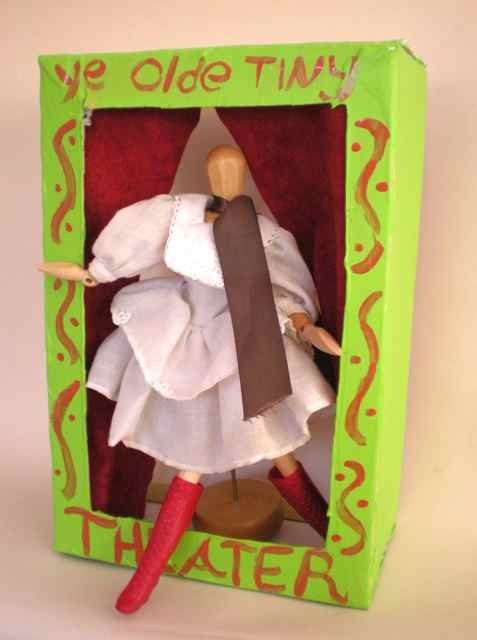
I allowed The Swamp to persist mostly because a) I didn’t have the physical or mental energy to deal with it, and b) she really would come up with the most inventive uses for junk. Isabella dismissed my warnings of impending vermin as empty threats, perhaps not even understanding. Until she saw a mouse run across her floor. And then another. Thus began our saga, an 8-month bout of Field Mice, from which we only very recently emerged as the true victors.
The cleaning started immediately. In order to trap the mice, we had to figure out where, exactly, they were hiding. We went through her room meticulously, first with a rake and many garbage bags, then with broom, dustpan and disinfectant. Strangely, we found very little evidence of mice… and then we got to the closet. Clearly the epicenter. But why? What, besides cold winter weather and plenty of hiding places, had inspired the mice to move in there?  After removing layers and layers of crap, we finally hit bottom, where we discovered several thoroughly chewed corn “necklaces” (dyed blue to look like turquoise) and Halloween candy of indeterminate vintage. Ah ha! This rather permanent food source had allowed the mice to relinquish their hunting and gathering lifestyle in favor of a more leisurely existence in the cozy, warm nooks and crannies of the closet (old shoes and backpacks were a favorite).
While I cannot recount all of the sightings, mutual scares, removals, accidental deaths, midnight skirmishes, and liberation since that first day, I will mention a few of the most noteworthy in subsequent posts. For today, I’ll end by saying that Isabella’s room has been clean and organized since the first overhaul, almost nine months ago, and she’s committed to keeping it that way. Ha! Mission accomplished. Thanks, mice.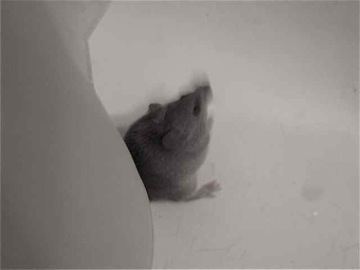
Keepin’ On Keepin’ With My Wealthy Mechanic
Like most parents of school-aged children here in Albuquerque, my primary summer activity can be described as follows: driving. To and from camps, classes, lessons, sleep-overs and swim parties in addition to the usual routines, and, if we’re lucky, a weekend trip somewhere. It’s shocking how many summer choices are now available for kids. When I was growing up, not so very long ago, our summer activity was “go out and play.” And that was fine. But now, my daughter has a choice of classes ranging from Circus Arts to Advanced Math, Tennis to Theater to Digital Filmmaking. And I’m sure she’ll come out a better person for all of this summer enrichment. But by the time August rolls around, I’m seriously missing the focused studio time of the luxurious 8am-3pm school day and longing for the real Mother’s Day: the blessed first day of school.
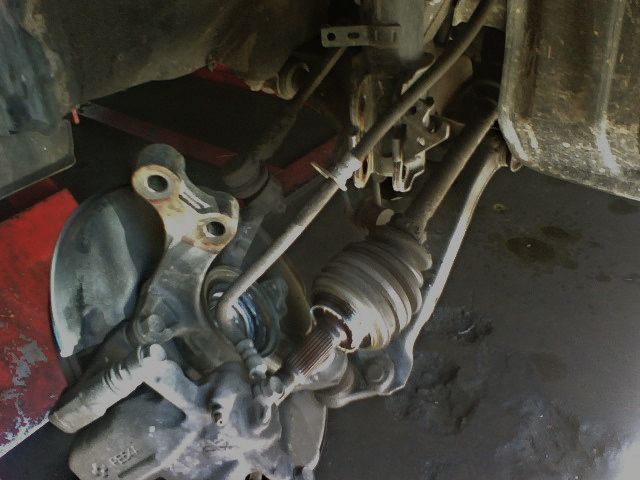
Today was spent mostly NOT driving because I found myself, once again, at Affordable Tires at Menaul & 3rd for another truck repair. (The delicacies and charms of my ’98 Toyota Rav4 are documented in more detail here.) Since it seems that Adrian and his business will be a regular feature in my life, and perhaps this blog, I thought I’d add a few visuals so you can all share in the experience with me.

Here's Adrian, isn't he cute? Yes, I've paid for his teeth to be that white.
Today’s repair was at least expected. I was told about a month ago that the CV axle (original) was beginning to leak and one day soon I would hear a “rattle,” and then I should think about having it replaced with a new, $166 CV axle. And that day was today. The most frustrating thing about vehicle repairs in an (unfortunately) car-dependent city like ours is that they gobble up precious time away from work, home, errands, appointments. It’s hard not to dwell on what I could/should have done today instead of watching bad TV game shows and learning about CV axles; like painting these things that have grown lonesome and dusty
 in my studio because I’ve been so busy driving around I haven’t had much time there. Things like planting the rest of the garden, walking dogs, buying groceries, or rescheduling the appointment I missed yesterday. I’m starting to feel like one of those people — people whose unreliable vehicles interfere with their responsibilities and seem somehow reflective of their character. “Her car is always breaking down… you know the type…”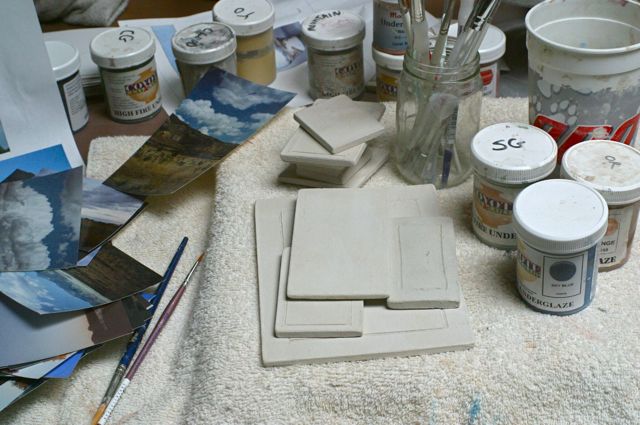
But today, rather than resenting my time at Affordable Tires on Menaul & 3rd, I’ve decided to list 5 good things that happened because of it:
1) I got to know Adrian a little better. For example, his 7-yr-old son recently scored 123 on an IQ test. (Einstein scored 127.) He was tested because his teachers thought he might have ADD because he can’t sit still in class and often appears to have his mind on other things, such as building walls.
2) I visited Valley Pawn next door and saw some real promise in used digital cameras for Isabella so she can upgrade and improve the quality of her doll movies.
3) The ’98 Toyota Rav4 is now safe with no other repairs “in the queue.” Plus, I got to photograph its leaky underparts… aren’t they kind of gorgeous and sexy in the morning light?
4) Because the entire morning was spent in a tire store, I rewarded myself by meeting a friend for lunch at the museum, where we drank lattes and discussed our strangely overlapping interests of dating men in their 50s and the subtle but important distinction between purchasing a “fixer-upper” property vs. “a dump”.
5) Since there wasn’t enough time to launch into studio work before picking up Isabella from opera camp, I was able to write this post and remind myself that as much as we plan, schedule, predict & perform, we’re really not in control of anything. And it’s such a relief.
Taos, Arroyo Seco, and the Fifth Brain
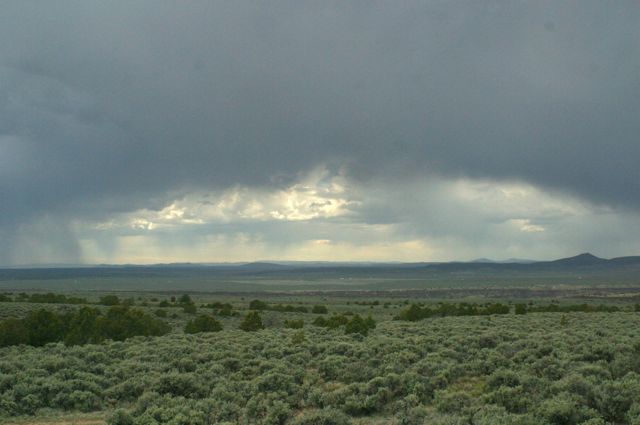
Last weekend, a friend and I made the beautiful drive from Albuquerque to Taos, New Mexico to see a Rebecca James show at the Harwood Museum and have a little fun. Taos is a special place, not because of the exotic romance associated with New Mexico or the West in general, but because of the way it (at the risk of sounding like a crystal cruncher)… feels…. From somewhere within the complex tapestry that is Taos — the rich history of Hispanic and Native American cultures, historical architecture, amazing Taos Mountain, Rio Hondo & Rio Grande rivers, wild places and pueblos — there’s a sense of light and presence and palpable residue from the artists, writers, Natives, farmers, Hippies, ranchers and counter-culturists who have visited and called Taos home for hundreds of years. It’s laid back and small town, rural and centered around the land and particular energy of northern New Mexico. Here, I’ll stop trying to describe with words what is best experienced; for me, Taos is a thing of the heart, a thing that feels honest and like home.
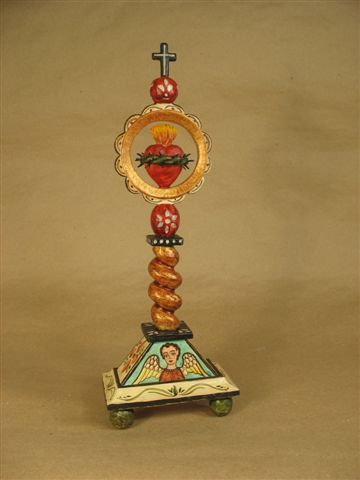
Moonstrance by Victor Goler, Taos, NM
Incidentally, I recently learned that the heart, with its 40,000 neurons, is now considered to be the “fifth brain”. It is connected to the brain neurologically, biochemically, and biophysically. There is now solid scientific evicence of what poets, mystics, and ancient traditions of every culture have always asserted: the heart, not the brain, is the center of our being; it is capable of “knowing” on an emotional and intuitive level of its own. (It’s no wonder that hearts of all manner — flaming, stabbed, thorn-covered and weeping — have always been such prominent symbols in the Santero carvings and folk art of New Mexico.) How exciting is that?!
I’ll leave the heart research to you; for now, here is a slide show of images of Taos & Arroyo Seco, followed by a info on Arroyo Seco. I’ll let the images speak for themselves, except to say that they include the perfectly unglamorous El Pueblo Lodge (read the full liveclay review here), The Harwood Museum, Taos Inn (oldest bar in town), Weaving Southwest, Michael’s Kitchen, World Cup Coffee (my new favorite coffee place, just off the plaza), Taos Cow (great outdoor seating by the creek), Rottenstone Pottery, one super-secret waterfall, and, of course The Landscape.
Arroyo Seco (Spanish for dry creek, or wash) is 15 minutes north of Taos on SR 150. This area of northern New Mexico is home to an amazing number of clay artists, potteries, and a variety of outdoor kilns, including wood and soda.
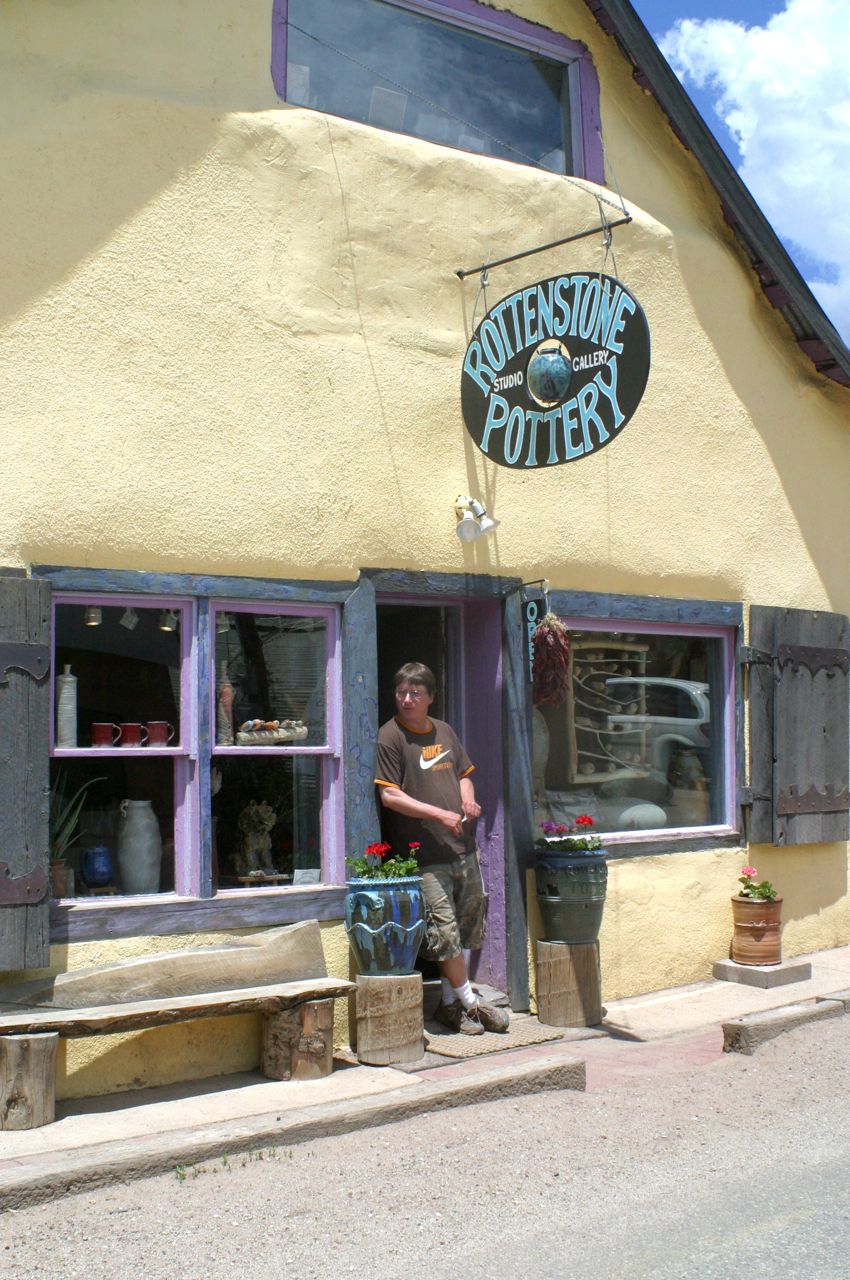
My favorite clay gallery in Arroyo Seco is Rottenstone Pottery, run by Scott Rutherford. It’s right on the main street, across from Taos Cow ice cream and deli, and Abe’s Cantina & Grocery. (So, within that fortuitous little triangle is perhaps everything a visitor to Arroyo Seco might need.)
Scott makes beautiful work in the Japanese oribe style, as well as really cool boats, both historical and imagined, that are also functional. For example, the Tequila Tug, Japanese Freighter Sushi Service, USS Texas Barbeque Battleship or the USS Intrepid Hors d’oeurves Carrier are beautiful sculptures that can also be put to use at a dinner party.

Japanese Freighter Sushi Service Set
Rottenstone is packed with gorgeous woodfired pottery by Scott, John Bradford, and others, ranging from the smallest tea bowl to large sculptures and paintings. Scott hasn’t yet assembled a web site for Rottenstone, so it’s best to find the particulars of hours and inventory on his Facebook page.
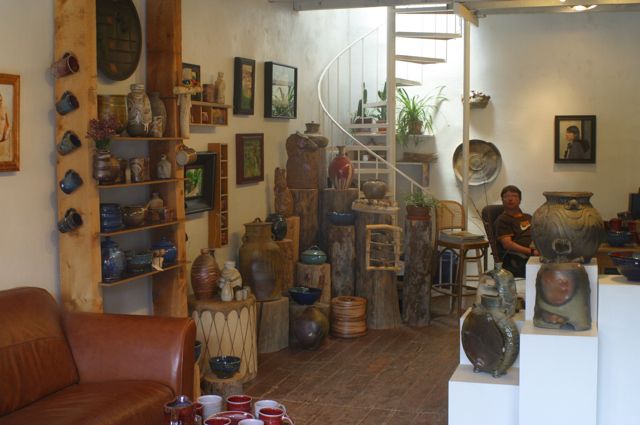
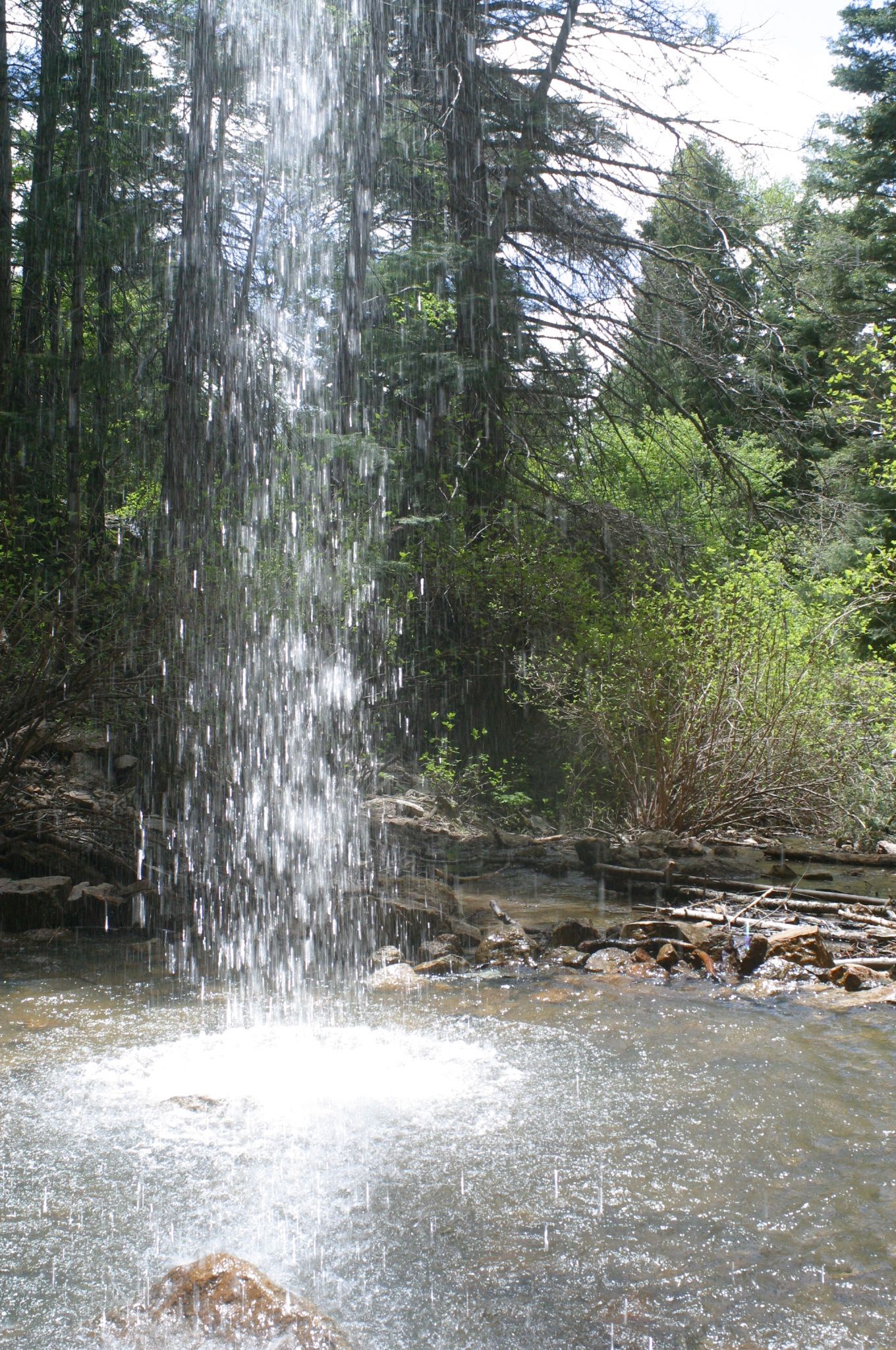 Always the gracious tour guide, Scott also pointed us in the direction of an amazing series of small waterfalls at a nearby, undisclosed location. If you’re in the area and want to see them you’ll have to visit Scott and ask for directions, which he may or may not give. (Perhaps buying a lovely piece of pottery will tip the scales in your direction.)
Hope you have enjoyed this little tour into a special place, known best, like most things, with the heart.
Click to see my new website for ceramic & biodegradable cremation urns


 Live Clay