Live Clay
Ceramics & Custom Urns by Laura Bruzzese
Semi-Annual Identity Crisis
It seems to be that time again. The season of self-doubt. The half-year hemming and hawing. The ominous questioning of everything I do. Being an artist. Being single. A mother. A former Taiko player of questionable skill.
Let’s examine these issues one at a time in the hopes that some revelation will spring forth. But I’m warning you, I’m feeling dark and twisty, so adjust your expectations accordingly.
Being an artist. I love being an artist. I love the lifestyle, I love keeping my own hours, following my inspiration, working with my hands, or in my pajamas if I want to. I am my own boss. But it is hard. It’s physically demanding and financially challenging. Because I am my own boss. There is no corporate structure to support bonuses, promotions, paid vacations, or give me new ideas. No underling to carry 25-lb bags of clay for me.
In addition to making art, right now I have a part-time job at a non-profit, which provides me with some of that kind of support (still looking for the underling), and I am grateful. It’s a business environment complete with officey things such as composite wood-grain surfaces and a shared refrigerator, but at least I get to do the occasional creative thing. For example, this project in 2010. I was asked to come up with the name, logo, and tag line for a new daycare center we were sponsoring. My shining moment in branding and ID.
Being an artist, or making a living as an artist, has become a little more difficult lately. Why? Because the lamenuts at Etsy suddenly shut down one of my online stores, Paper Turtle (linked to our new store on WePay), where for two years I sold the papier-mache sculptures made by my partners in Haiti. Why? Good question. Because they are upcycled underpants-wearing idiots. A 25-email exchange with a member of Etsy’s “Integrity Team” has generated no useful information.
Team Integrity seems to think that I’m a “reseller,” a buyer of commercially produced items that I mark-up and retail, instead of a member of a collaborative shop (permitted under published Terms of Use). Despite providing the names and stories of our artisans, the structure of our profit-sharing, written and photo documentation of my role in designing/finishing the artwork, our shop remains disabled for violation of Terms. Granted, more than one of the photos I sent demonstrating my process looked like this
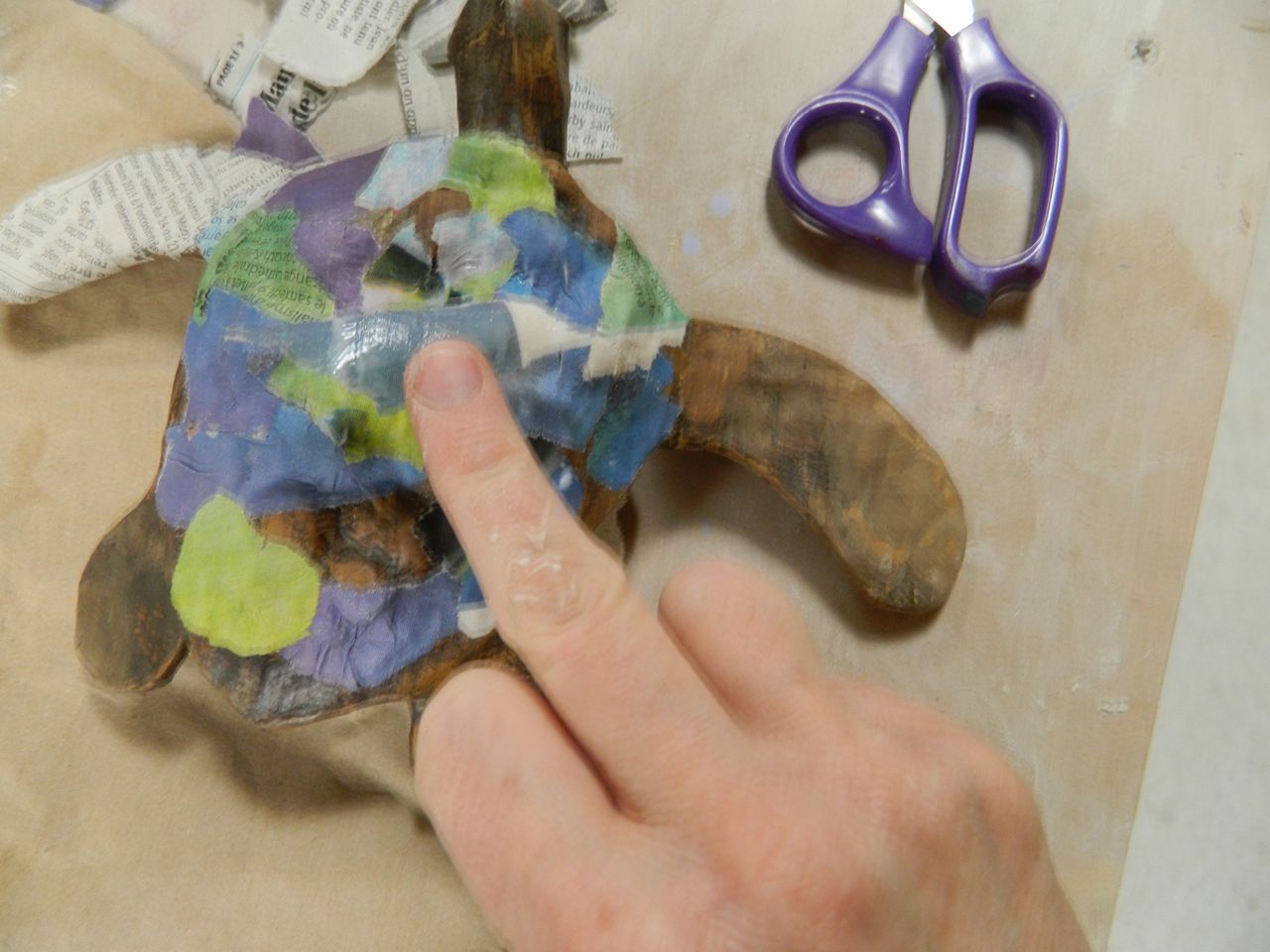
but still. That was after countless hours, much frustration, and Etsy’s continued refusal to answer these very simple questions: a. Which specific Terms of Use does our shop violate? b. Where on Etsy can I find those Terms?
Apparently, Etsy can close a shop for any reason, at any time, without justification or explanation, for violation of phantom ToU. I don’t think that’s even legal. It’s entirely random and discriminatory. So, while this shop and this and hundreds like them continue to flourish, our handmade sculpture has been banned. Beware artists, this could happen to you. And our shop is not only closed to the public, but I’m locked out, too–unable to access my customers, images, or written content. Two years of hard work, and one of my reliable income streams, cut off at the knees. Thanks, Etsy. You suck.
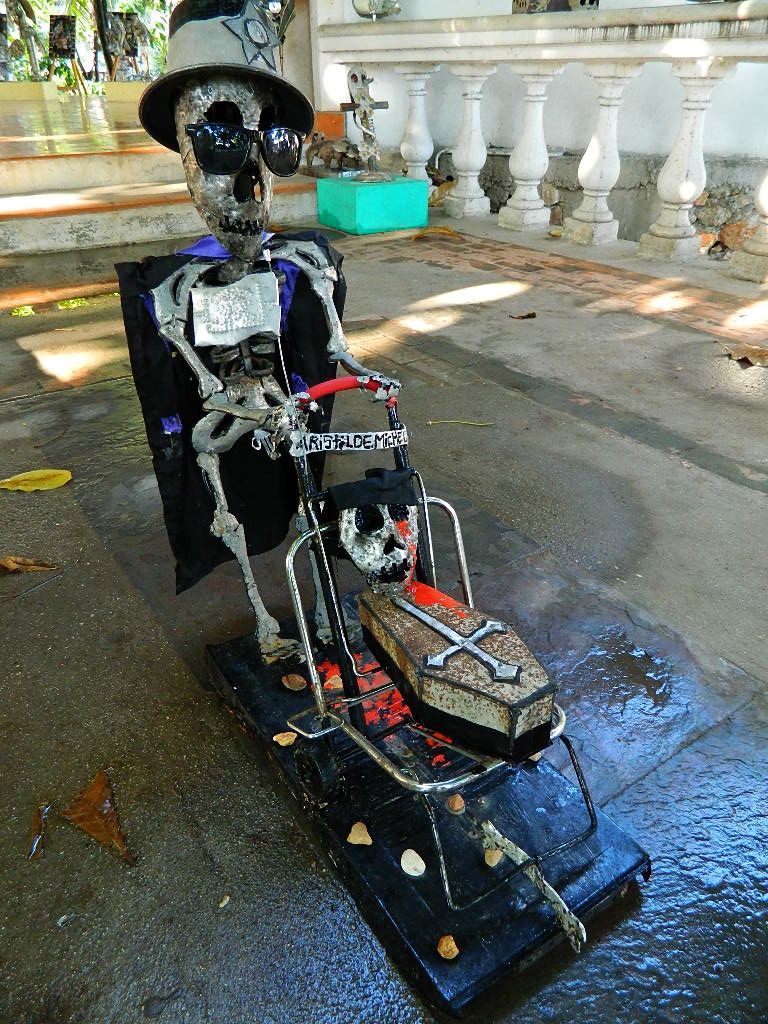
Haitian Vodou sculpture. Here in New Mexico, we have similar Dia de los Muertos death figures. But they typically are not composed of real human bones.
Being single. It’s hard to meet people while working alone in a studio all day, or making snake art in an office. How about online dating? I always get stuck on the Profile questions.
Am I Slender? Or Average? Athletic? Happy? Compared to what?
Why would a man post a picture of himself in his underwear, even if he is holding a big fish? The fact that he is holding a big fish in his living room in his underwear does not make it any better.
Does excessive use of LOL and smiley faces by people over the age of 25 point to infantile tendencies?
Should screen names containing the words Lonely, Lonesome, RejectMeNot, Desperado, etc., be automatically deleted?
I don’t have the patience for online dating because I can’t get past the questions.
The season of the Semi-Annual Identity Crisis is also occasion for me to reconsider the notion of going Victorian: marrying for financial/social stability. Our repressed forebears’ brilliant strategy for maintaining the cultural fabric and family structure of their time. Affairs were expected. My friends frown on this alternative and I’m not thoroughly convinced, either. So I wait.
Being a mother. Isabella needs me less and less these days. I can feel it. I guess this should make me happy–she’s maturing, making good choices, ready for independence–but it also scares me. The thought of her driving. Having boyfriends. Inhabiting the world without me by her side to save her from the lessons I know she needs to learn, swat away bad friends and indifferent lovers, walk the coals so she doesn’t have to. I know she’s feeling the impending loss, too, not of each other, but of our life as it’s been for 14 years.
Last month she completely cleaned out and re-arranged her room, to “cleanse my life of middle school.” I think she’s creating room in her room (and life) for things un-mom. Un-childhood. It makes us both a little sad. So, we argue. We hike. We watch bad movies and get on each other’s nerves, trying not to think about the great undoing of the Frick & Frack that we are.
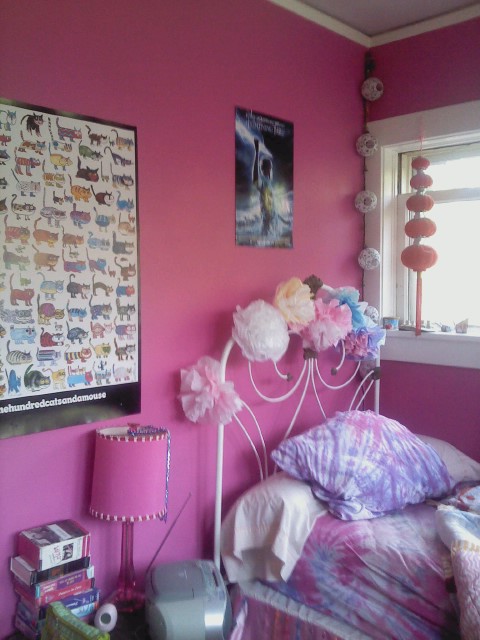
No more pink little girl room.
Unrealized Career. You may be surprised to learn that four years ago, I enjoyed a brief but illustrious membership in a local Taiko (Japanese drumming) group. It was more fun that I can even describe. Giant drums, body-penetrating sound, a great workout in what’s considered the lowest of the martial arts. I had no choice but to quit when the group broke in two, my friends scattered, and only the creepy members of the group remained. But the experience left a permanent impression on me. Professional Taiko Player is my fantasy career, the thing I would have tried had art not claimed me first. A different passion with different people, different place, maybe I would have been good enough. What if…
I don’t have a picture of me playing Taiko, so instead, I’ll end with one of my favorite pictures from Haiti. These fishermen in their colorful boat, happy on the endless grey-blue water.
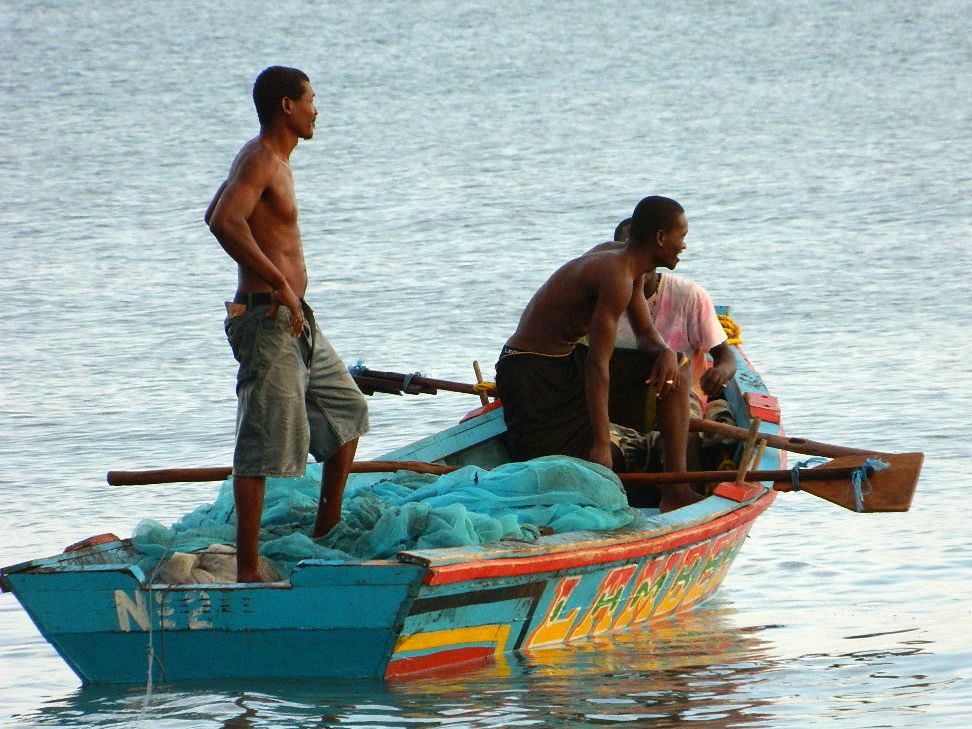
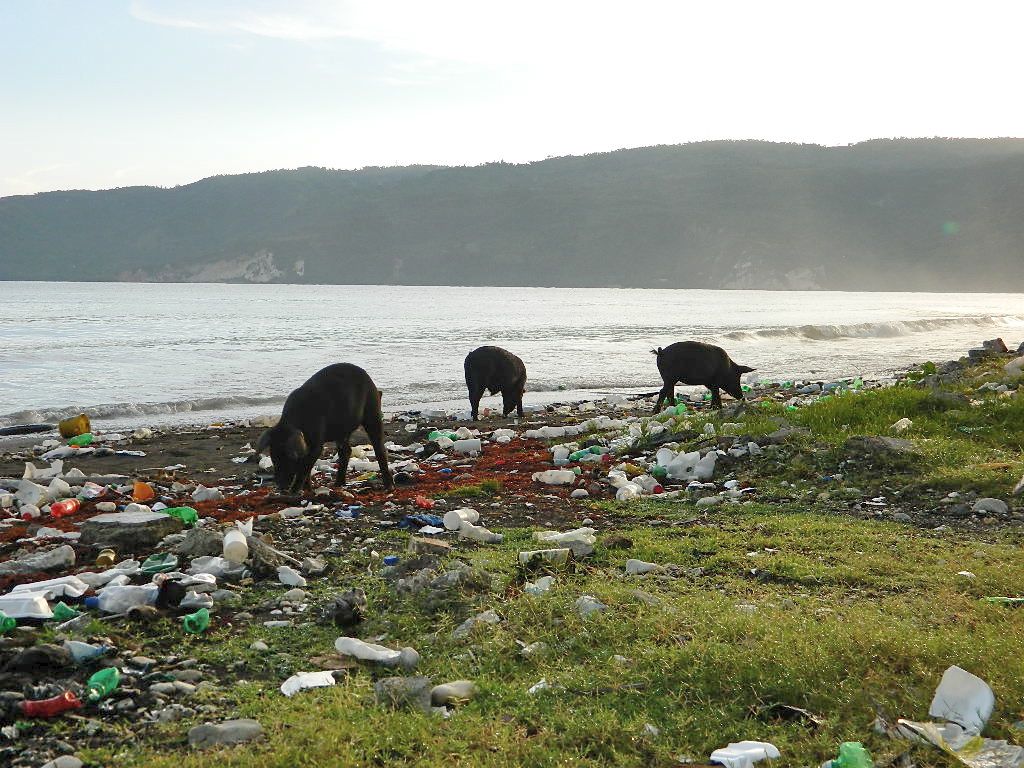
Sometimes I’m in that boat. And other times, I’m back on the beach.
Scatter my ashes in a wood kiln
“…woodfired pottery is the most complex, difficult, ancient, profound, durable, and magical way to fire clay… Firing a wood-kiln is an extremely high risk endeavour, and each piece that we make and which survives the trial by fire, is utterly unique, and one-of-a kind. In a world over-full of mass-produced, disposable items, many see woodfiring as the antithesis of consumer irrelevancy, and as a philosophical and aesthetic balm for our age.” —Clark Wood Fire
Don’t worry, I’m not dead yet.
But after recently finishing my 10th (?) or so group firing of a large, wood-fueled anagama (“climbing”) kiln outside of Madrid, New Mexico, I decided that there is no better place to fling my earthly remains, when the day arrives, than into the fiery maw of that very kiln.

Toss my ashes into the firebox to be flame-swept and melted into glaze, settling onto the pottery of a dozen or so of my most excellent friends in clay and fun and fire. The last bits of carbon and mineral of the former Me will become a permanent aspect — or enhancement, I should think — of their cups, bowls, and sculpture of endless variety. Decorative and utilitarian objects that will be welcomed into homes to live awhile among the living, gathering and giving the energy and love of those who created and honor them. Of course, I may outlive my friends and the kiln, in which case just deposit me under a tree somewhere.
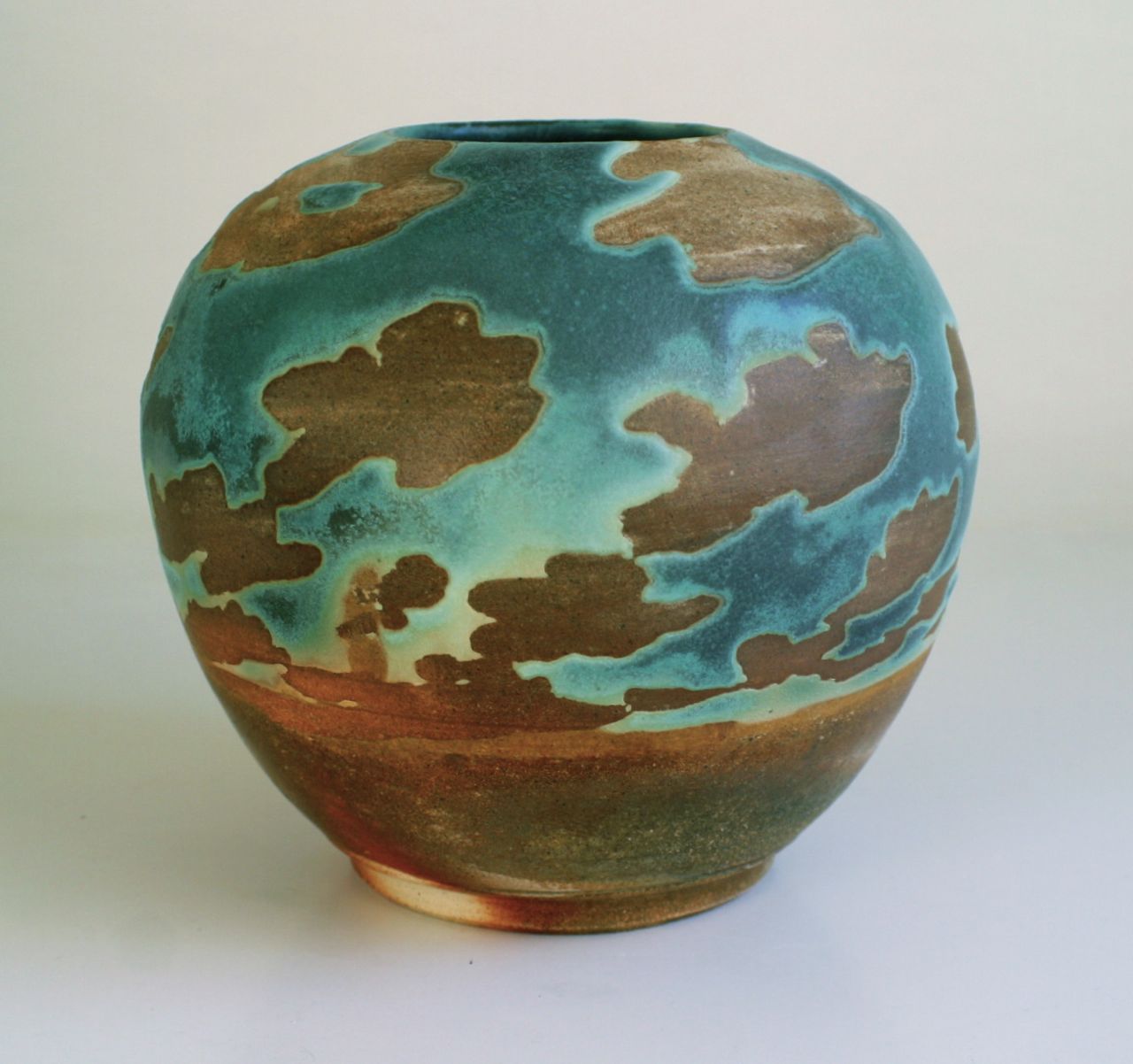
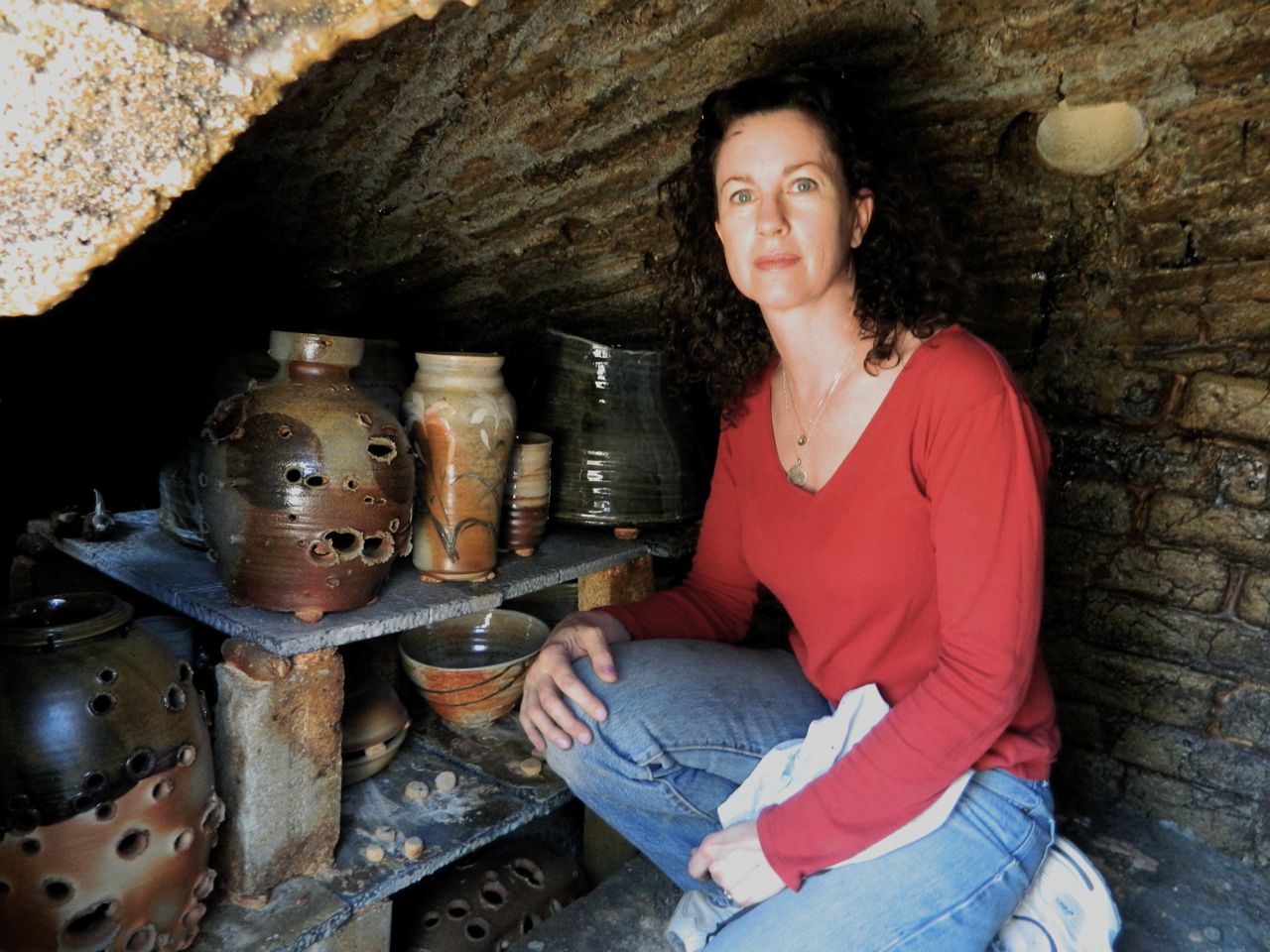
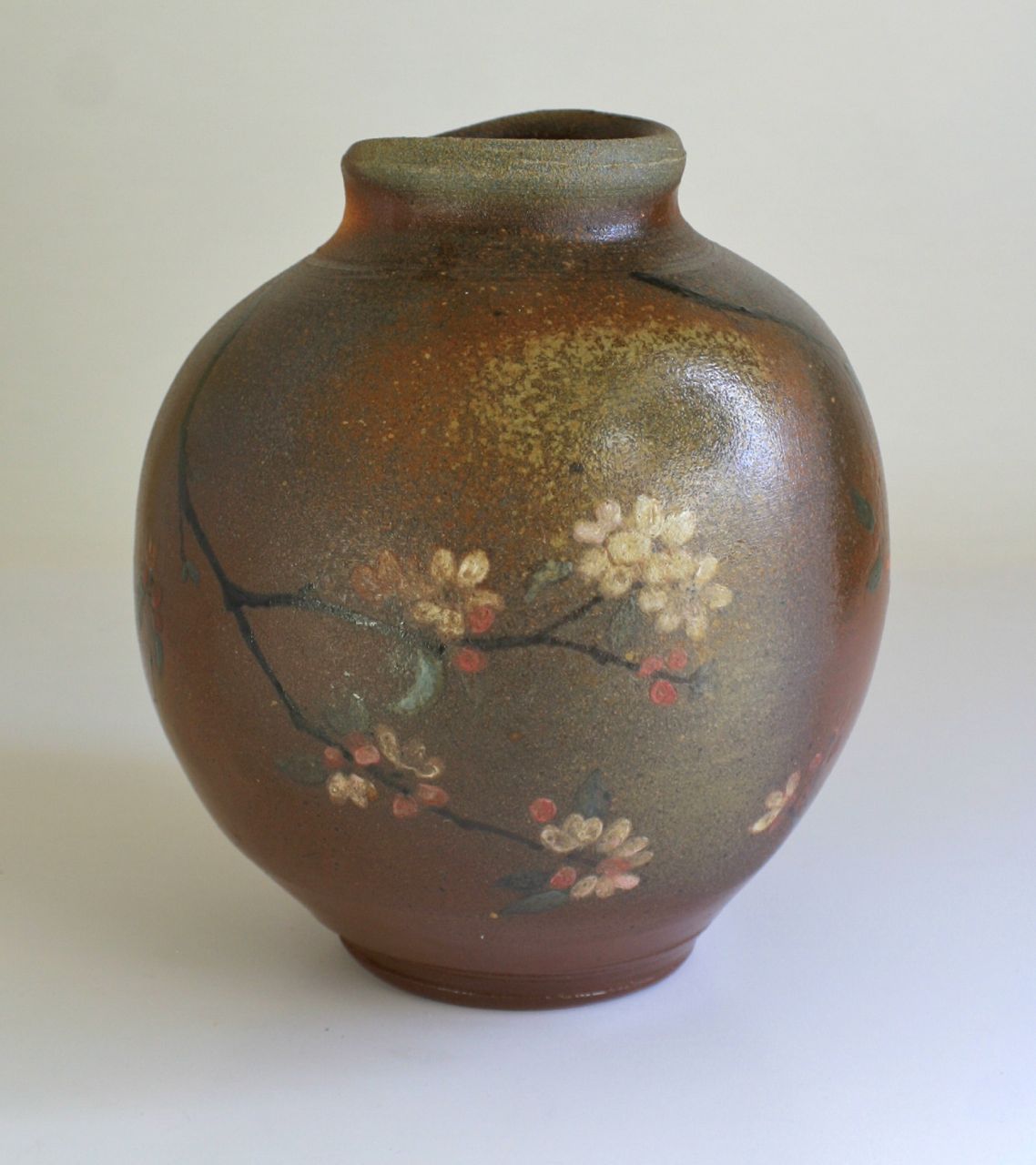
Until then, come with me on a little tour: here are some pictures of my favorite pieces from the recent firing, and of the kiln itself during various steps of the extremely labor-intensive process. If you’d like to learn a little more — about the four-to-five cords of lumberyard scraps that are cut, sorted and stacked before we begin, or the intricate, piece-by-piece loading of 400-800 wares, or the four consecutive around-the-clock days of firing — please see this series of posts. They were written two years ago when no one was actually reading my blog. Except you, Rodger (your reward in heaven will be great), and you, Postmanisms, for reasons unclear to me. I’ve also included an excerpt from one of those earlier posts, a reflection written in the wee, sleep-deprived hours after the 2010 firing.

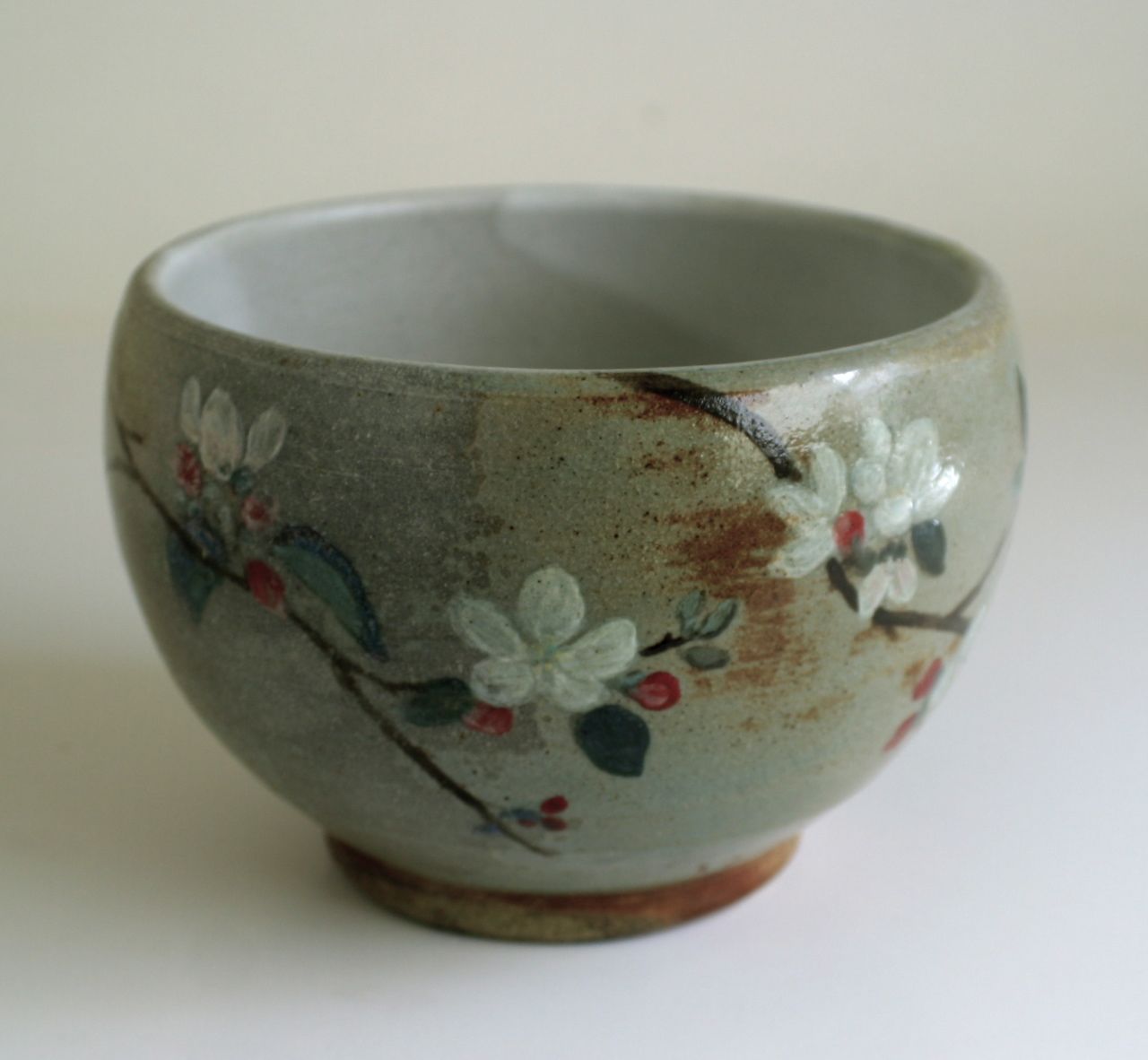



What the pictures don’t capture, aside from the incredible thigh- and brow-singeing heat radiating from the kiln, is the relationships: between ourselves and the fire, the kiln, one another, the landscape. There’s something really special about a group of people gathering around a fire year for a common purpose, as people have done for thousands of years, whether for food preparation, protection, comfort, ritual, or the creation of art. Fires of destruction and fires of purification. Just like water.
I’ve learned a lot about the nature of fire, a wild and insatiable thing, from working with clay. I’ve learned not to panic in the presence of intense heat and/or flame, and what it feels like to pick up a 900℉ brick with my bare hand (oops), and about Japanese woodfire masters who can identify the temperature of a kiln not by using cones or pyrometers, but by the interior colors alone: orange, red, light red, dark yellow, light yellow, white.
But even after the thousands of hours our group have collectively invested in the study of fire through our anagama kiln, we still find it mysterious and unpredictable and prone to moments of utter disaster and devastating beauty. Which, of course, is probably why we continue: The challenge of controlling the flame and heat just enough to transform the simple work of our hands into objects more beautiful than we alone could make.

What the pictures don’t show is the way the 30-foot kiln breathes fire back and forth through its chambers with every stoke of wood into the firebox, the way it tells us where the fire is by spilling flames out the cracks, the way it sometimes won’t gain heat no matter how much wood we throw in or how many different fuel-oxygen-reduction strategies we try. The way the kiln is another character, along with the 14 or 15 of us, in our annual drama of the four elements.
In The Undertaking: Life Studies From the Dismal Trade, poet and mortician, Thomas Lynch, presents an interesting exploration of our relationship with, and attitude toward fire with regards to burial practices. Why do we burn trash and bury treasure? Why are we allowed to watch burials but not cremations, like they do in Eastern cultures where funeral pyres are common? A fine and insightful read.
What I’ve learned about fire seems to be what I’ve learned about everything: remaining engaged long enough to understand it, really understand it, displaces fear with respect and even admiration. I suppose this is true for anything, whether mice or kilns or people. Maybe fire fighters should be called fire controllers. How can you “fight” something that doesn’t fight back? It seems to me that when we choose genuine empathy for something or someone we fear, the black-and-white, oppositional nature of the I versus Other relationship invariably dissolves into a mysterious, breathing world of I and Thou. The fire is in between.

My birthday present to you
Hello readers! Today is my birthday and I want to celebrate by making you laugh, or hopefully making you laugh, with three of the funniest things I read in my 4fthhietlsth year. Enjoy!
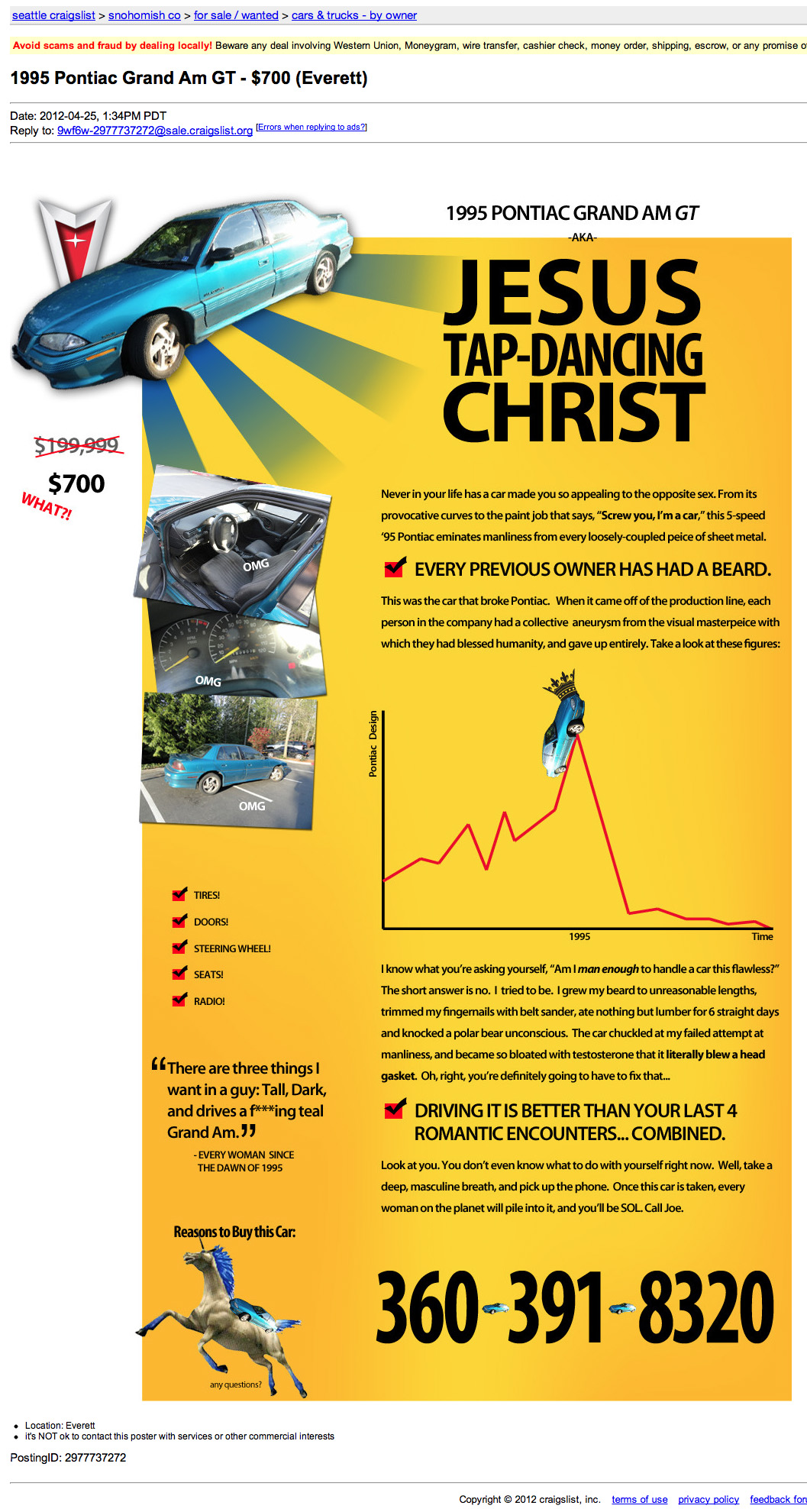
First, for those of you who may have missed it when it made the social networking rounds last month — a Seattle Craigslist ad for a 17-yr-old Pontiac Grand Am. Click to enlarge (2x) & read all the small print, it is hi-larious. I hope the guy got some kind of a book deal or offer for a design job out of it, even though he was just trying to sell his car.
Next, click on the image to read my favorite post from Hyperbole and a Half. Unfortunately, she does not post very often, and her last one was about Adventures In Depression, so I’m not sure when she’ll be back. But you’ll find a lot of good content on her site.
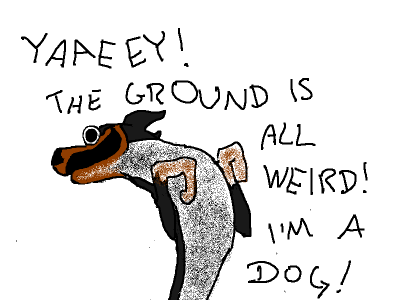
And finally, Roping A Deer. I don’t know who wrote this, but someone emailed it to me and I immediately loved the rancher in his interminable battle with a deer. I posted this last year when most of you were not following my blog. It still makes me laugh, so I thought it worth re-posting.
I had this idea that I could rope a deer, put it in a stall, feed it up on corn for a couple of weeks, then kill it and eat it. The first step in this adventure was getting a deer. I figured that, since they congregate at my cattle feeder and do not seem to have much fear of me when we are there (a bold one will sometimes come right up and sniff at the bags of feed while I am in the back of the truck not 4 feet away), it should not be difficult to rope one, get up to it and toss a bag over its head (to calm it down) then hog tie it and transport it home.
I filled the cattle feeder then hid down at the end with my rope. The cattle, having seen the roping thing before, stayed well back. They were not having any of it. After about 20 minutes, my deer showed up– 3 of them. I picked out a likely looking one, stepped out from the end of the feeder, and threw my rope. The deer just stood there and stared at me. I wrapped the rope around my waist and twisted the end so I would have a good hold.
The deer still just stood and stared at me, but you could tell it was mildly concerned about the whole rope situation. I took a step towards it, it took a step away. I put a little tension on the rope .., and then received an education. The first thing that I learned is that, while a deer may just stand there looking at you funny while you rope it, they are spurred to action when you start pulling on that rope.
That deer EXPLODED. The second thing I learned is that pound for pound, a deer is a LOT stronger than a cow or a colt. A cow or a colt in that weight range I could fight down with a rope and with some dignity. A deer– no chance.
That thing ran and bucked and twisted and pulled. There was no controlling it and certainly no getting close to it. As it jerked me off my feet and started dragging me across the ground, it occurred to me that having a deer on a rope was not nearly as good an idea as I had originally imagined. The only upside is that they do not have as much stamina as many other animals.
A brief 10 minutes later, it was tired and not nearly as quick to jerk me off my feet and drag me when I managed to get up. It took me a few minutes to realize this, since I was mostly blinded by the blood flowing out of the big gash in my head. At that point, I had lost my taste for corn-fed venison. I just wanted to get that devil creature off the end of that rope.
I figured if I just let it go with the rope hanging around its neck, it would likely die slow and painfully somewhere. At the time, there was no love at all between me and that deer. At that moment, I hated the thing, and I would venture a guess that the feeling was mutual.
Despite the gash in my head and the several large knots where I had cleverly arrested the deer’s momentum by bracing my head against various large rocks as it dragged me across the ground, I could still think clearly enough to recognize that there was a small chance that I shared some tiny amount of responsibility for the situation we were in. I didn’t want the deer to have to suffer a slow death, so I managed to get it lined back up in between my truck and the feeder — a little trap I had set before hand… kind of like a squeeze chute. I got it to back in there and I started moving up so I could get my rope back.
Did you know that deer bite?
They do! I never in a million years would have thought that a deer would bite somebody, so I was very surprised when … I reached up there to grab that rope and the deer grabbed hold of my wrist. Now, when a deer bites you, it is not like being bit by a horse where they just bite you and then let go. A deer bites you and shakes its head — almost like a pit bull. They bite HARD and it hurts.
The proper thing to do when a deer bites you is probably to freeze and draw back slowly. I tried screaming and shaking instead. My method was ineffective.
It seems like the deer was biting and shaking for several minutes, but it was likely only several seconds. I, being smarter than a deer (though you may be questioning that claim by now), tricked it. While I kept it busy tearing the tendons out of my right arm, I reached up with my left hand and pulled that rope loose.
That was when I got my final lesson in deer behavior for the day. Deer will strike at you with their front feet. They rear right up on their back feet and strike right about head and shoulder level, and their hooves are surprisingly sharp. I learned a long time ago that, when an animal –like a horse — strikes at you with their hooves and you can’t get away easily, the best thing to do is try to make a loud noise and make an aggressive move towards the animal. This will usually cause them to back down a bit so you can escape.
This was not a horse. This was a deer, so obviously, such trickery would not work. In the course of a millisecond, I devised a different strategy. I screamed like a woman and tried to turn and run. The reason I had always been told NOT to try to turn and run from a horse that paws at you is that there is a good chance that it will hit you in the back of the head. Deer may not be so different from horses after all, besides being twice as strong and 3 times as evil, because the second I turned to run, it hit me right in the back of the head and knocked me down.
Now, when a deer paws at you and knocks you down, it does not immediately leave. I suspect it does not recognize that the danger has passed. What they do instead is paw your back and jump up and down on you while you are laying there crying like a little girl and covering your head.
I finally managed to crawl under the truck and the deer went away. So now I know why when people go deer hunting they bring a rifle with a scope to sort of even the odds. All these events are true so help me God…”
–An Educated Rancher
Why you might not want a duck (Part II)
[continued from Part I] So, as you’ll recall, we had just deposited Kennery and Rose Petal on the shores of the Nature Center pond to begin their lives of freedom. But strangely, they didn’t seem to want to stay there. Hmm, I thought, maybe they just need a little encouragement? They have feathers and should be able to fly by now, so let’s give them a hand with the transition off the ground and into the air.

Ancient Egyptian Birds take flight (via zazzle.com)
Imagined As we gently lift Kennery and Rose Petal into the air and let go, they float for a few transcendent moments, suspended between earth and sky, captivity and freedom, the human and animal worlds, recognizing their mythological significance since the dawn of history: the ultimate symbols of freedom. They are quickly overcome by their own powerful instincts (not unlike a Charismatic fit of the Holy Spirit), take flight across the pond, and settle in among their wild compatriots to a life of purpose and opportunity. Sun beams burst forth, Born Free can be heard in the distance.
Real We gently lift Kennery and Rose Petal into the air and let go. They fall into the water like dead weight, swim to shore, and stand quacking next to us. Believing that they perhaps hadn’t received enough momentum to encourage flight the first time, we try again, tossing them with added vigor. Again, they fall like torpedoes into the water, swim back to shore, and rejoin us with more devotion than ever.
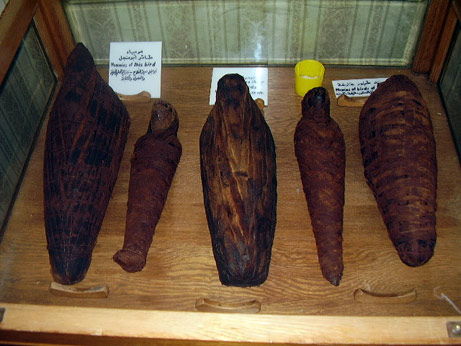
Our ducks flew like these ancient Egyptian birds might. (Image courtesy National Geographic.)
In a panic and unable to contemplate why the ducks’ wings and instincts aren’t working, we try to run away. They follow. Then, someone who appears to work at the Nature Center approaches us and asks what we’re doing in the restricted area. I say I didn’t realize we were in restricted territory and we were actually trying to leave but some ducks were following us, I didn’t know why. I point and look confused. I believe I hear the cock crow three times. I can tell the woman is suspicious but never actually accuses me of lying. Oh, what the heck, I say, I guess we’ll let the ducks follow us… and off we walk back to the truck, the four of us.
Feeling sad, guilty, and out of options, we sit for a while in the truck before the next idea hits me like a skeet shot out of the air: Wildlife Rescue! I knew about of Wildlife Rescue. They cared for injured and abandoned birds and other animals until they could be released back into the wild. And their drop-off place just happened to be at the Rio Grande Nature Center! Perfect.

Of course, our ducks were not exactly wild, so this plan would entail a creative interpretation of events. I counsel Isabella on how to be an effective liar; yes, an important lesson for a nine-year-old, especially if you’ve just taught her how to trespass and smuggle contraband.
We enter Wildlife Rescue with our “wild” ducks and explain to the intake person that a friend had found them as ducklings (Mallards?) at the river and gave them to us because we have a pond. Even though we knew nothing about ducks, we had agreed to let them live in our pond but now they had outgrown it. No, they are not pets (as Isabella squeals, “Their names are Rose Petal and Kennery!!!”). The intake woman is very sympathetic and takes the ducks as I place several large bills in the Donations jar. She says the ducks will be safe in the outdoor habitat until they are full-grown, and then they’ll be released. Whew!! We left the Nature Center bathed in an indescribable peace, feeling 56 pounds lighter.

Home at last!
Fast Forward 5 years Isabella decided that for her service project this semester, she would volunteer at Wildlife Rescue because she thought it would be fun to work with birds. There were two trainings before her service began. The trainer told the class how important it is not to talk to, or pet the birds, or encourage them in any way to bond with you.
To illustrate her point, the trainer told a story about how four or five years ago, someone brought in two male Mallards that seemed to have bonded with humans. In fact, they refused to leave even after they were fully grown and released. She said the ducks socialized with wild ducks, but would come back and stand outside the building, looking in the windows. This went on for four months until finally, with a little encouragement in the form of tapered-off feedings, the two ducks settled permanently among their compatriots and embraced their wild lives of purpose and opportunity.
Why you might not want a duck (Part I)

Image courtesy of kootenaynaturephotos.com
One Spring day when Isabella was around nine, we went to my favorite nursery, Alameda Greenhouse to buy our garden plants. The first thing we saw when we walked in were ducklings for sale in a cage on the floor. I’m not sure why they were there, but I think the owner, Steve, loves animals and bought them from the feed store up the road. Just to have them. Anyway, as you know, we have a pond, so inquiring about the ducklings seemed natural enough. Steve told us that ducks make wonderful pets — low-maintenance, friendly, perfect in a pond. We left that day with $100 worth of plants and two baby ducks.
We arrived home, built a little pen, and Isabella named the ducks Kennery and Rose Petal. I have to admit, ducklings are really cute. Fuzzy, peepy, devoted. When they were old enough, we let them swim in the pond and that was really cute. But then they started to grow up. Fuzz turned to feathers. Squeaks became quacks. We learned a few things about ducks:

#1 thing you might not know about ducks: they will trash your pond. Tear up every plant, eat all the tadpoles, dive to the bottom and stir up the muck.
#2 after ingesting your pond, they will poop it out all over your lovely yard.
#3 ducks can run. If you have a dog with a strong prey instinct, running will inspire your dog to go duck hunting. Certain dogs and ducks must be kept separate.
#4 One word: “imprint”. Yes, your duck will be your biggest fan, following you around like one of those cartoon characters with hearts popping out of its eyes and an aaah-OOOOO-gah! sound-effect. Quacking and pooping, running to keep up with you. They learn the sound of your voice, they bond. It doesn’t matter that the duck has a companion, he will want you more.
It soon became clear that despite our great affection for the idea of having a pastoral, duck-inhabited scene in our backyard, the reality was just not workable. Among other issues, we were going on vacation in a few weeks and could not leave the dog and ducks together with a house-sitter. It was a hard decision, but we knew it was the right one: adolescent ducks must go. We considered our options and decided the best thing for Rose Petal and Kennery would be a life of freedom at the University Duck Pond.

What’s not to love?! Oh, yeah, when half of your friends disappear.
But then I had a conversation with my friend, a source who shall remain nameless, who worked at UNM for more than 20 years. She told me that every so often, the pond needs to be cleaned and the population of giant gold-fish, turtles, and ducks… reduced. This is accomplished by draining the pond and inviting local Asian-restaurant owners to, er, harvest whatever they wish — hey, I’m just reporting here — for their own purposes. It’s possible that my friend just made that up, but it seems unlikely, and she did have a point: in a man-made ecosystem with no natural predators, how else was the animal population kept tidy and manageable? We could take no chances.
I called a few fishing ponds on the outskirts of town and asked if they would take our ducks, but they were not enthusiastic. They told me that people often “dumped” pet ducks without asking, the ducks were ill-equipped to live in the wild, and were usually eaten by coyotes. Crossed that option off the list.
Then it came to me, like a message delivered by Hermes himself:

The Rio Grande Nature Center! The perfect place to relocate our ducks because they could learn how to be wild from the dozens of wild ducks that lived there already. There were islands in the waterway where coyotes couldn’t go. Hallelujah! A plan was made.
A few days later, we arrived to the Rio Grande Nature Center, each of us with a backpack containing a noisy duck (you can imagine here all the quackpack jokes). We walked toward the pond area, crossed the Do Not Enter ropes, and stopped at the water’s edge. It seemed a wonderful place for release, with plenty of food, water, and other ducks. We took Kennery and Rose Petal out of the backpacks, placed them near the water, and bid them farewell…
May Flowers
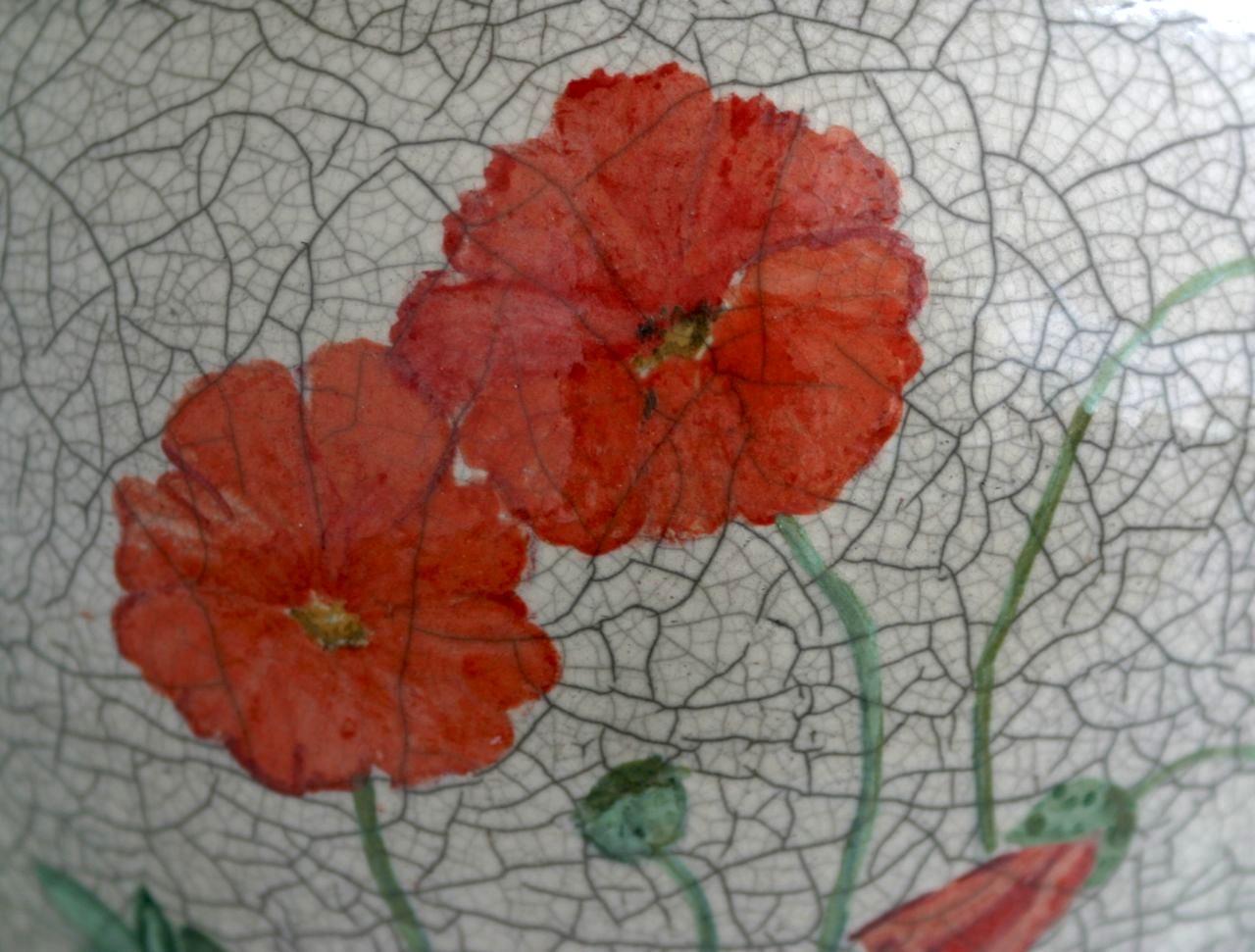
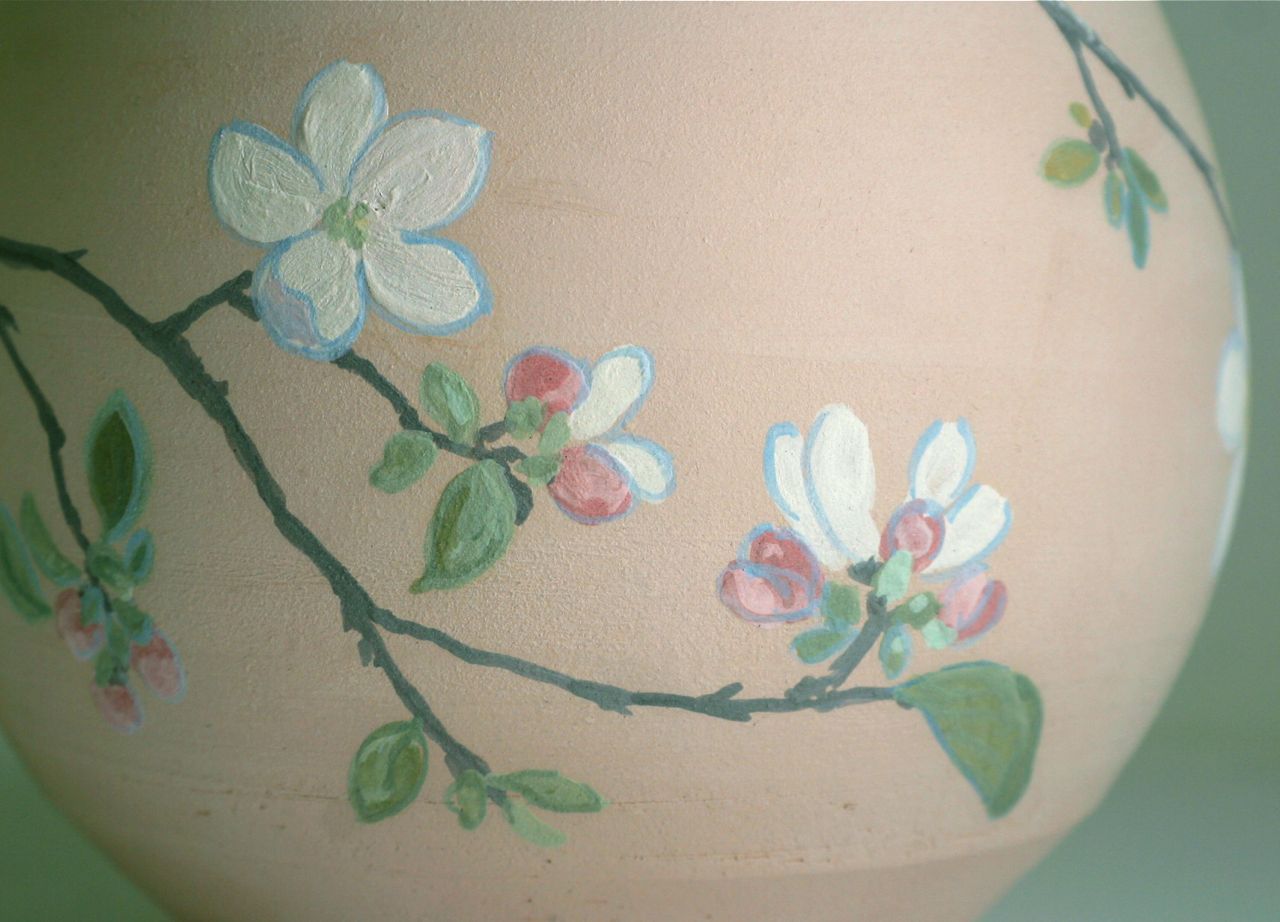
Today, I thought I would share a few images of new work that I made for an upcoming two-person show at Sorrel Sky Gallery in Durango, Colorado. They asked for a selection of botanical pieces to go with the landscape vases they already have. I included here a few words about Raku and how these are made. If you’re going to be in or near Durango on May 11, stop by for the Gallery Walk reception (5-8 pm) and say hello!
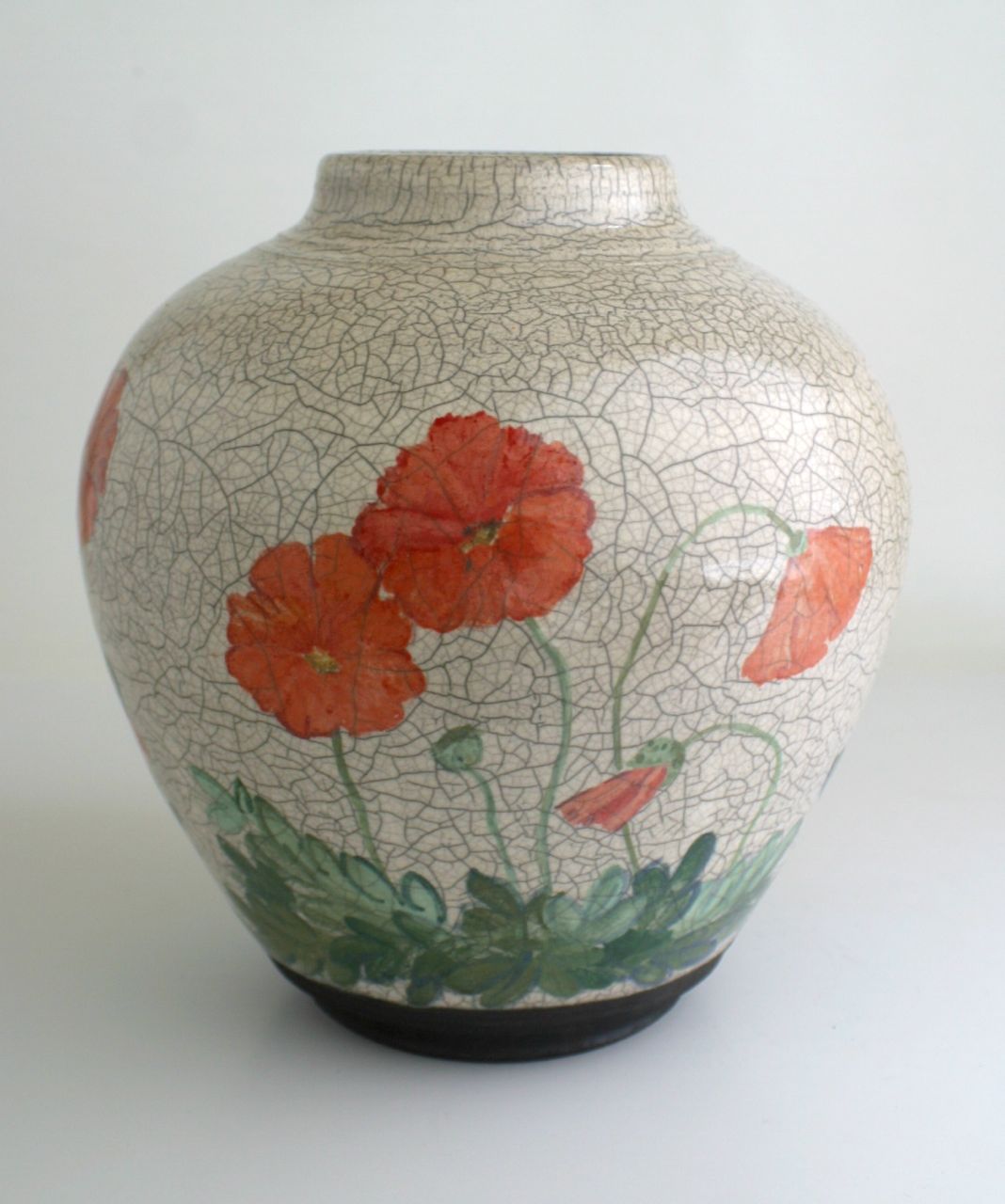
Poppies, 9″h x 8″w, raku-fired stoneware

Wine Iris, 10.5″h x 5″w, raku-fired stoneware
I use underglaze (liquid clay + tint) to paint the images. I have to anticipate what the colors will look like when they’re fired because they’re very different from the pre-fired colors.

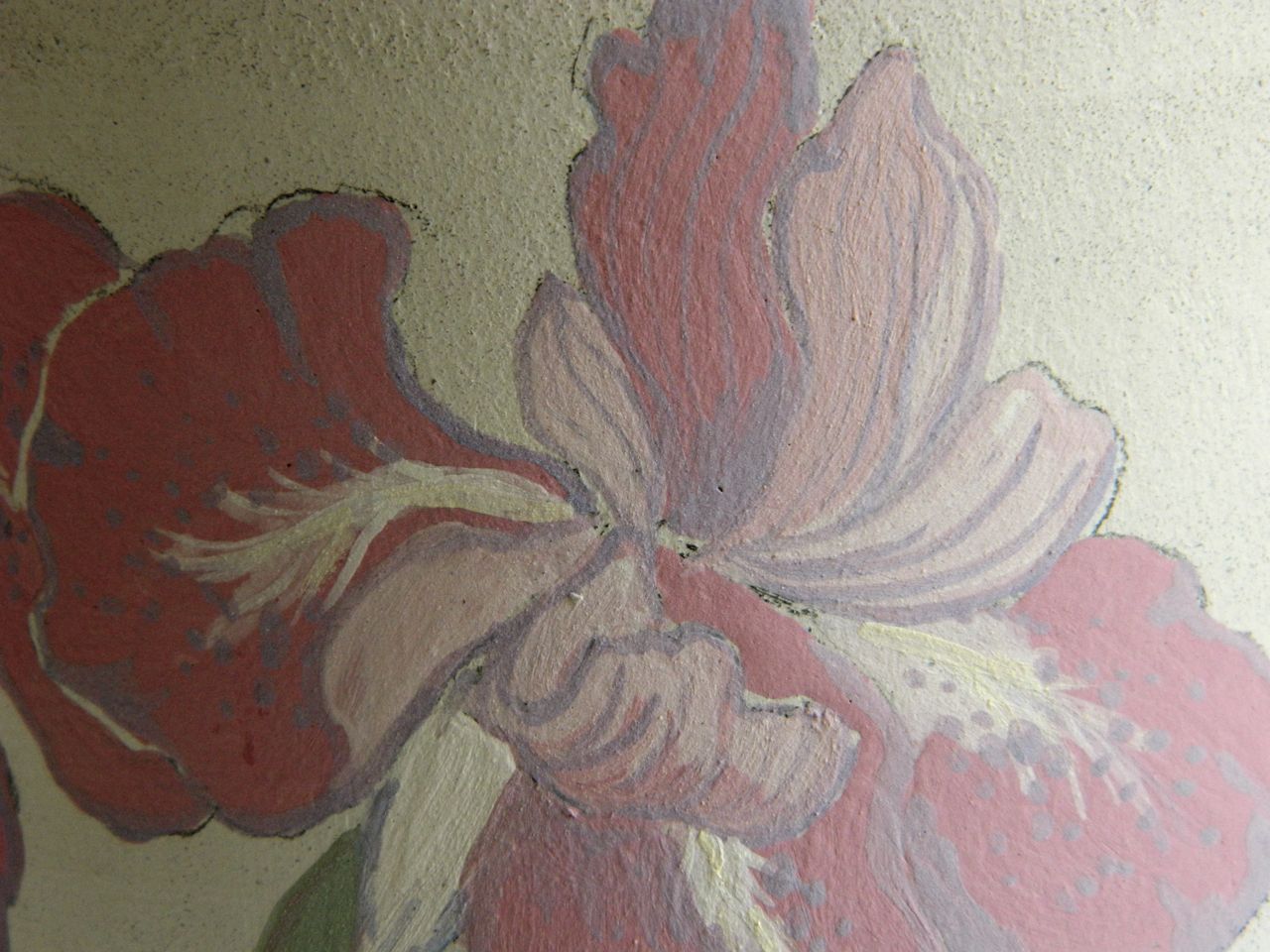

Purple & White Orchids, 11″h x 8″w, raku-fired stoneware
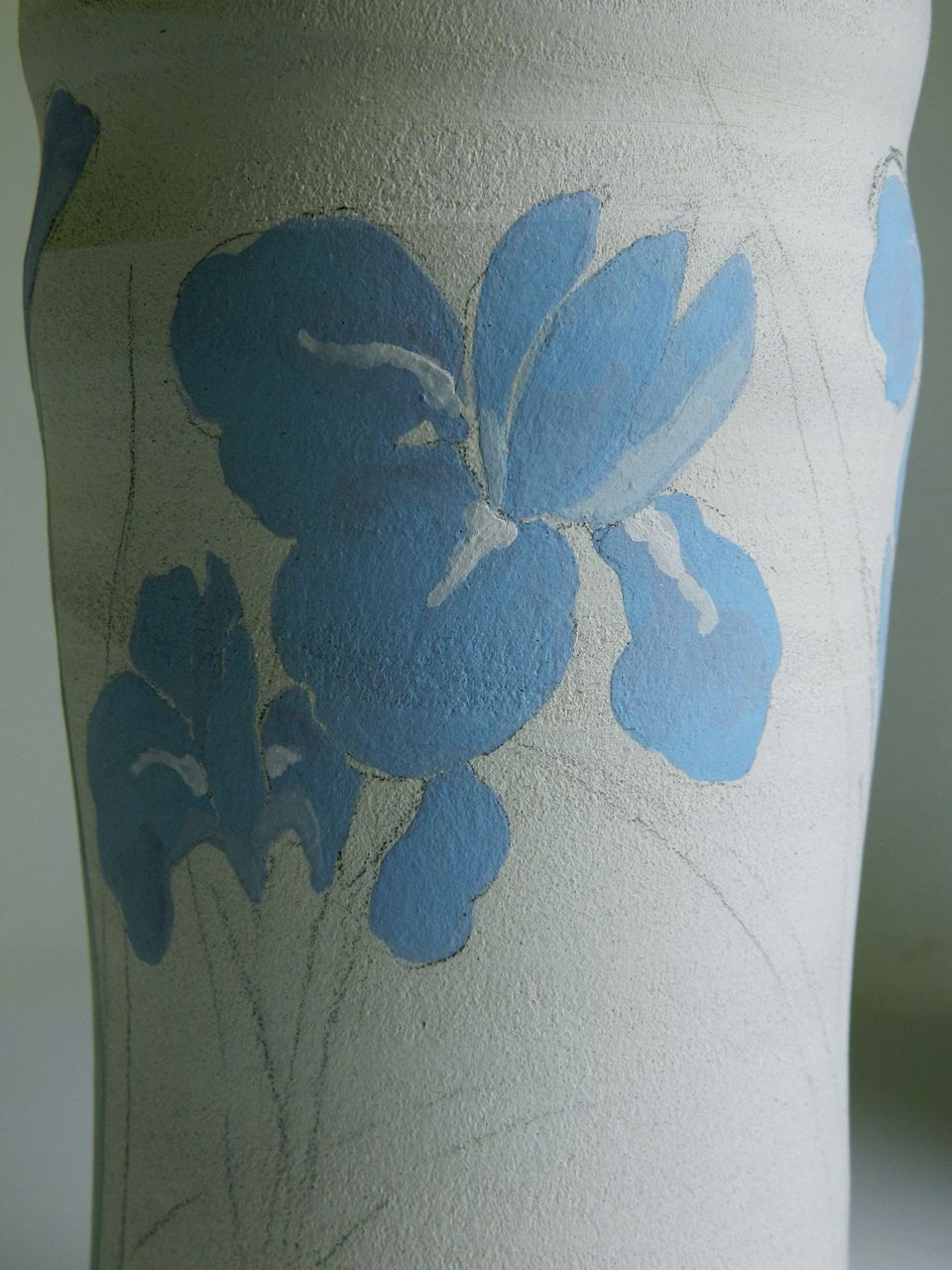

Blue Iris (detail), 9.5″h x 4.5″w, raku-fired stoneware
One of the appealing things about the raku firing method is the unpredictability–I can’t control how much of the painting burns out during the firing, or how dark/light/large/small the crackle patterns will be. The crackles in the clear glaze are created by the reduction (oxygen-deprived) environment in the kiln. I use tongs to pull the vases out of the kiln one at a time and place them in trash cans with sawdust. Smoke from the burning sawdust stains the crackles black. Raku is very labor-intensive. You can read more about the history and see start-to-finish pictures in this post.

Apple Blossoms, 7.5″h x 7″w, raku-fired stoneware

Toads to Perdition
[to experience the full effect of this post, please scroll to the bottom and click the PLAY arrow on the soundtrack first!]
Oh, hello! Good morning! Are you awake?! I know that a great many subscribers are tuning into Live Clay at work, so let’s all take a moment to make sure the volume on our computers is ON, and turned way up high. Ahhhhh. Hear that?
I felt inspired today to share with you the sounds that for about four weeks in April-May define our nights and early mornings. No, it’s not a gaggle of screaming old ladies. It’s not your response to the Tax Man. It’s Woodhouse Toads in our backyard, emerging resplendent from their muddy winter sleeps feeling all sexy and ready to mate.
At this period, after his long fast, the toad has a very spiritual look, like a strict Anglo-Catholic towards the end of Lent. His movements are languid but purposeful, his body is shrunken, and by contrast his eyes look abnormally large. This allows one to notice, what one might not at another time, that a toad has about the most beautiful eye of any living creature…
–George Orwell, Some Thoughts on the Common Toad

The toads are uninvited guests who showed up shortly after I built our pond 10 years ago. Don’t get me wrong, they aren’t unwanted. They eat all kinds of bugs and spiders, and their hunting territory even extends to my neighbors’ yards; it’s just the mating shrieks from dusk ’till dawn that lend a rather morose aspect to our Spring soundtrack. Did you know that toads scream and chirp from some organ not in their mouths? There are a lot of surprising things about toads that people probably don’t know.
Remember those children’s books, The Adventures of Frog and Toad? I loved those books, but to my young mind, there was always a bit of a competition: who was the better man, Frog or Toad?

Both characters were well-drawn, handsome, and dressed in cool clothes (for boys). Their respective traits were highlighted in moral stories of friendship, empathy, and cookie-hiding. But if Mr. Loebel had been honest, really honest, and told the whole story about toads…
And after saying good-night to his
best friendlover, Frog, Toad went out into his backyard and started screaming like his head was on fire. Soon, his screams were answered by Girl Toad. As she drew near, Toad leapt onto her back and clung with all his three-fingered might like there was no tomorrow. Having been denied long arms by a cruel evolutionary twist, Girl Toad was unable to remove Toad. In fact, she lacked the wits to even contemplate such a choice, and was thus destined for the next many weeks to carry her burden until she spawned, or died of starvation because she was unable to hunt (whichever came first).
Now that would have made for a more balanced story and informed decision when it came to Frog vs. Toad. And come to think about it, may have even affected the outcome of my own future choices involving love and marriage. Yes, too much idealism can be a dangerous influence on the young, developing conscience. Beware, new parents, of the subliminal messages in picture books that only tell part of the story.

This could have been me. Oh wait, it was me…
Speaking of relationships, this week my mother and two of her high school friends (a couple she was recently reacquainted with after 85 years) are trying to set me up with their son. Like, romantically. We don’t live in the same state. We are supposed to email each other but neither of us has made a move. I’m thinking of just sending this soundtrack with no words. What do you think?
I hope this post will be received by my regular readers as an invitation to share in, if only for 2.57 minutes, my Springtime suffering–a selfless act that will surely strengthen our empathetic bond. As for my new subscribers, I could think of no better way to say hello and thank you than by welcoming you with nature sounds. Greetings! I’m sure my friend Emily over at The Waiting thinks she has it hard with a newborn… well, think again, because guess why? Babies grow up. They learn to sleep and talk and repress their feelings. Toads just multiply. And Stacie of Gemini Girl in a Random World is getting ready to go visit her dad on a mysterious farm (she suspects it might involve ducks with extra legs) in the South. Guess what your dad needs, Stacie? Yeah, mysterious screams to go with his mysterious farm. Then there’s the clever Guapola, forever taking polls with funny answer choices. Know what the funniest answer of all would be, Guap? Just link up the toad soundtrack, my friend. No words necessary. Last but not least, Momma’s Money Matters, who receives more unwarranted, unintelligible hate mail than any blogger I know, and who writes THE funniest responses… What’s the one thing that will leave your hatemailers speechless, Red? That’s right, Toads.
Good-Bye, 1000 Awesome Things
 Tomorrow, one of my favorite WordPress blogs, 1000 Awesome Things, will come to an end. In 2008, Canadian Neil Pasricha–who describes himself as an observer, not a writer–began his blog as he was dealing with the end of his marriage and the suicide of a good friend. Every weekday since then, he has published “…a countdown of life’s little joys that reads like a snappy Jerry Seinfeld monologue by way of Maria Von Trapp.” (The Vancouver Sun). You can read a whole page full of praise for Pasricha’s unflinchingly optimistic observations here.
Pasricha decided to bring his blog to a close with thanks and reflection at the peak of success, as the third Book of awesome sits atop the National Bestseller list. He will be announcing the #1 and final Awesome Thing tomorrow night at a Canadian book store. Here are a few of my favorite posts:
Old, dangerous playground equipment
That last, crumbly triangle in a bag of potato chips
Congratulations, Neil, and thanks for four years of Awesome!
Picture Day: Street Art Utopia
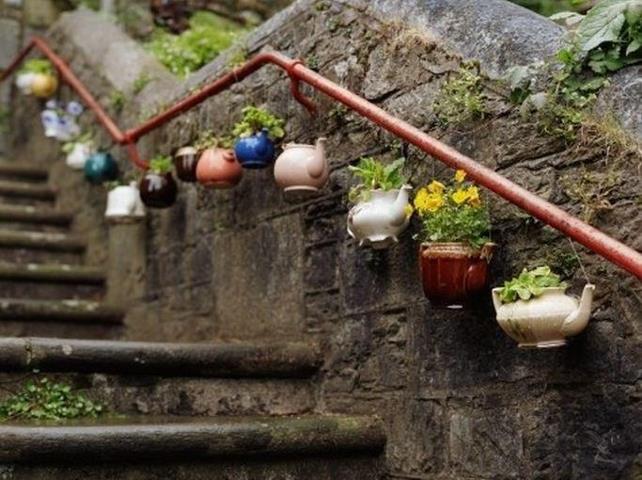
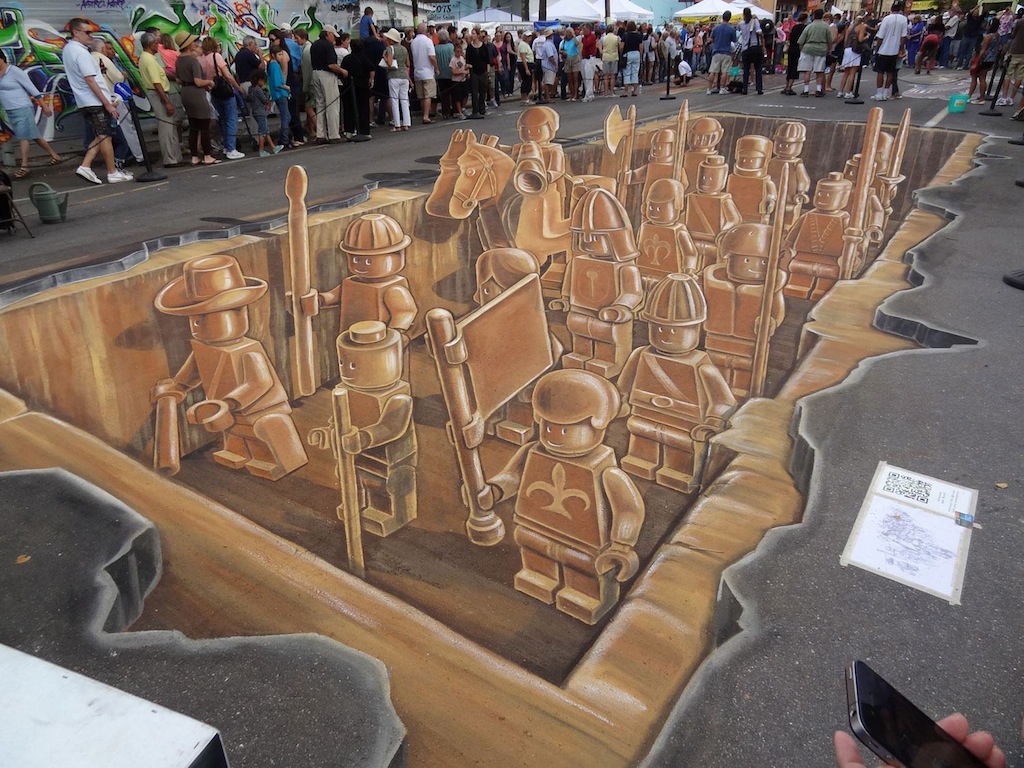
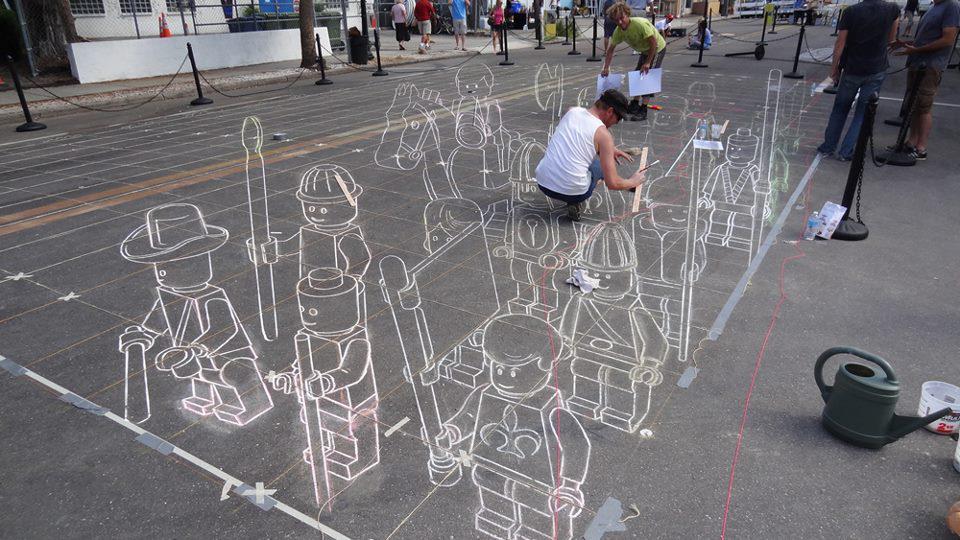
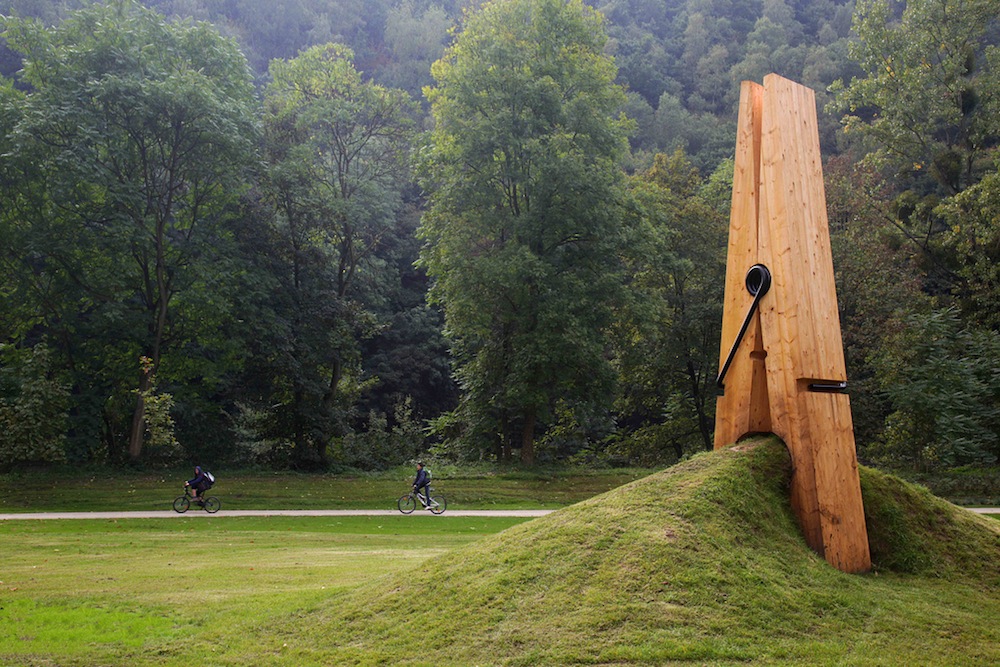
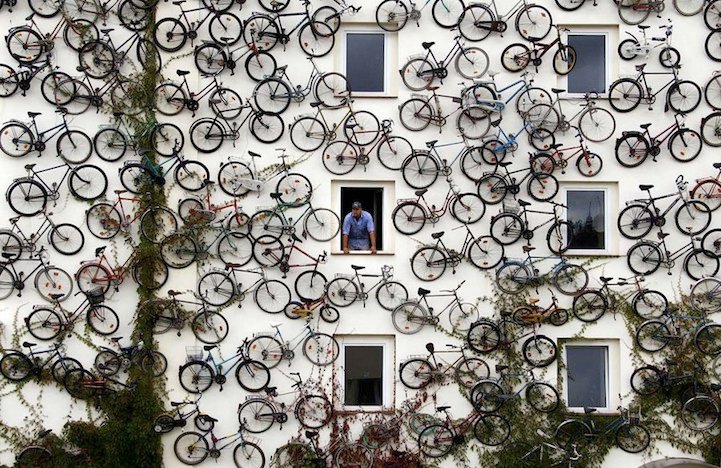
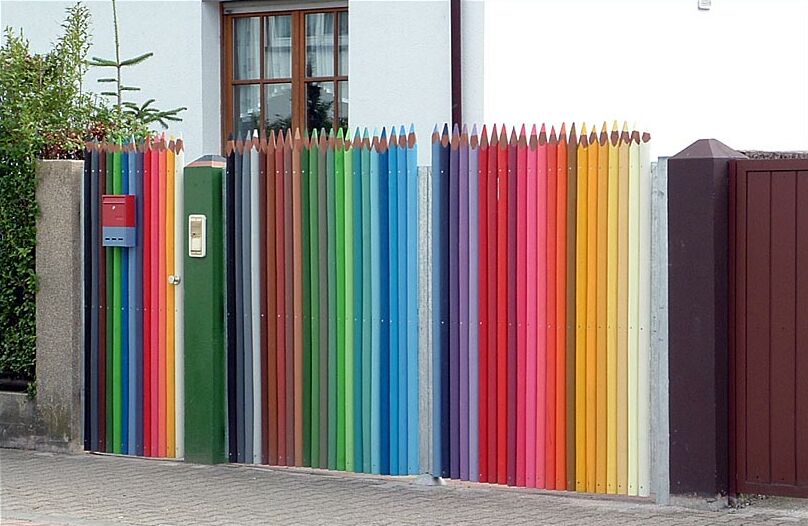
I recently found Street Art Utopia (“We declare the world as our canvas”) and thought I’d share some of their fantastic collection of street & environmental art from around the world–just in case you’re not already one of their 545,000 Facebook fans. Almost all of these images are from their Most Beloved of 2011 collection, but you’ll find lots more on their website and Facebook page, including links to many of the artists and collections of their work. All images courtesy of Street Art Utopia. Enjoy the Friday feast!
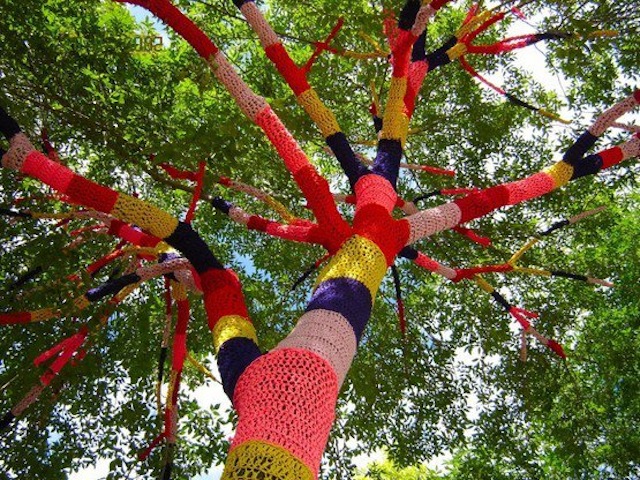
Yarn Bombing by B-Arbeiten
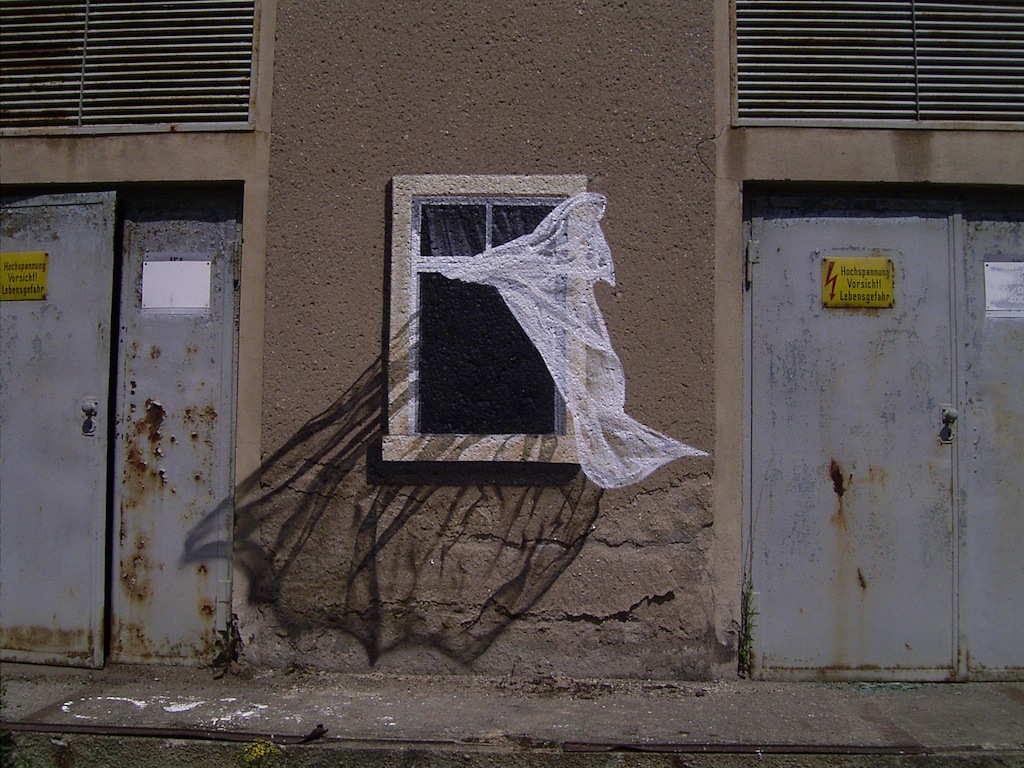
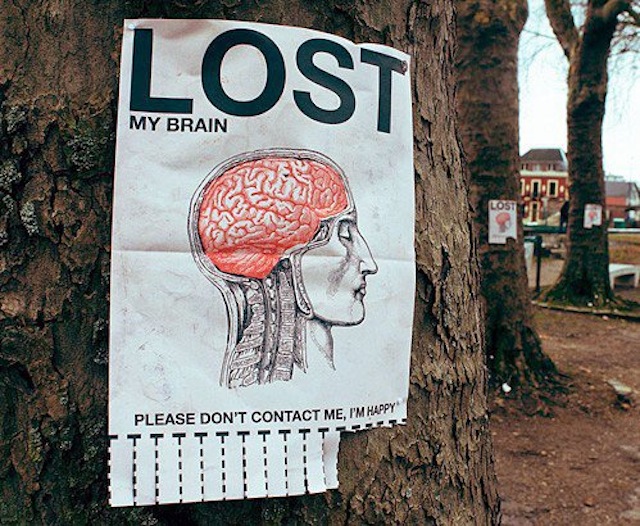
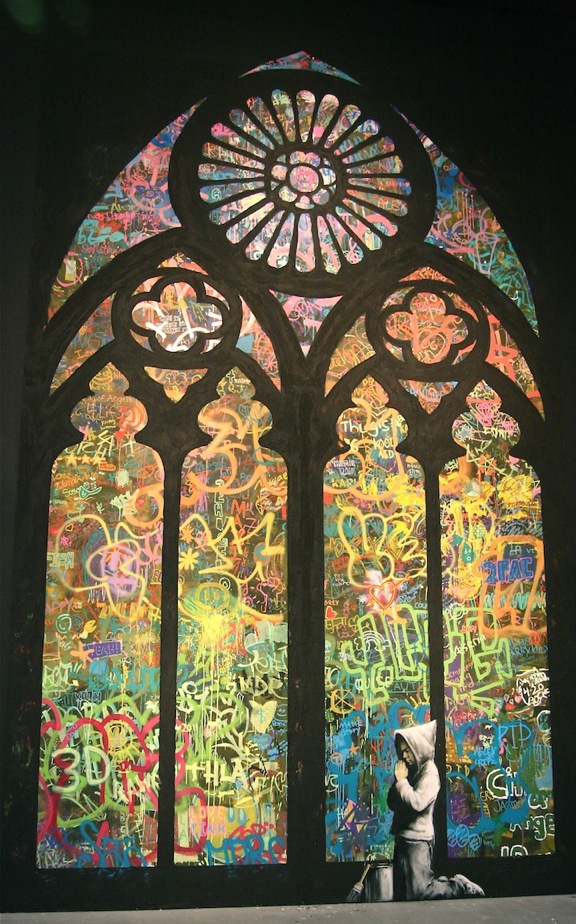
Painting by Bansky

Little People - A Tiny Street Art Collection by Slinkachu

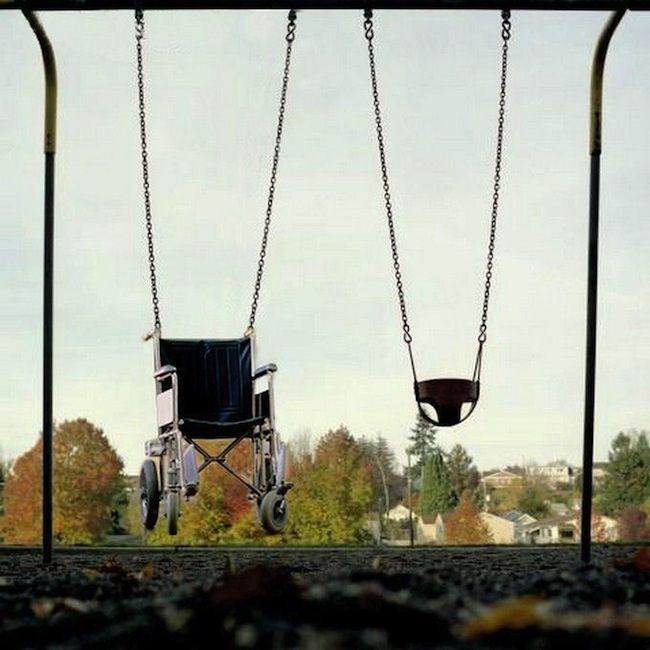
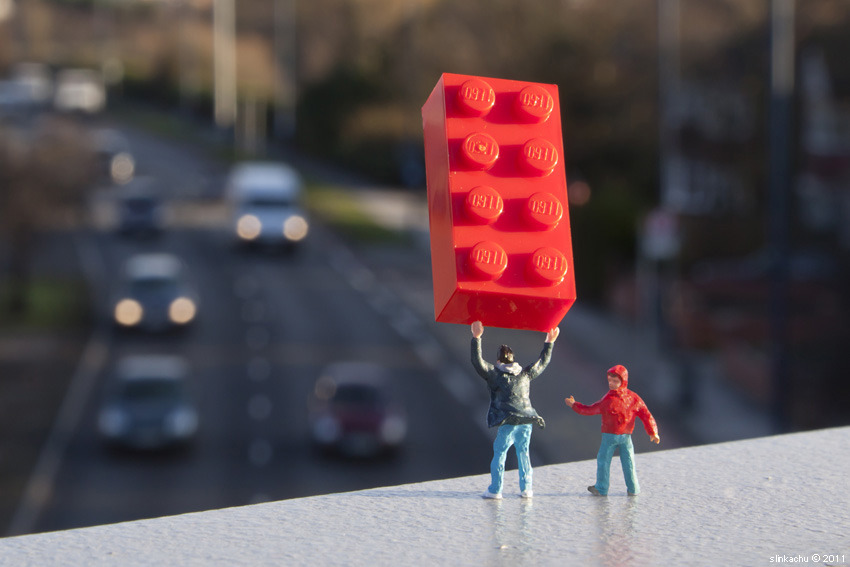
Little People - A Tiny Street Art Collection by Slinkachu
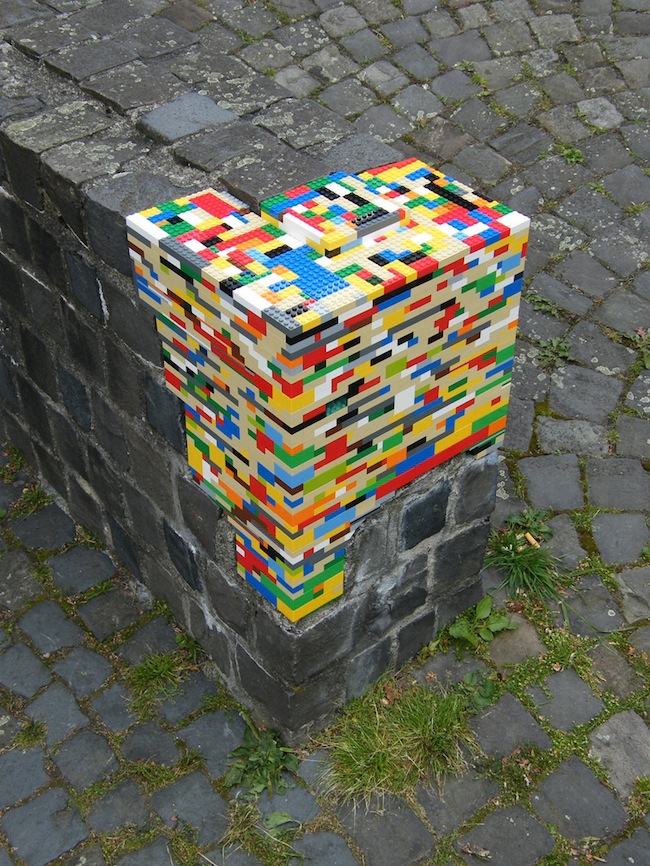
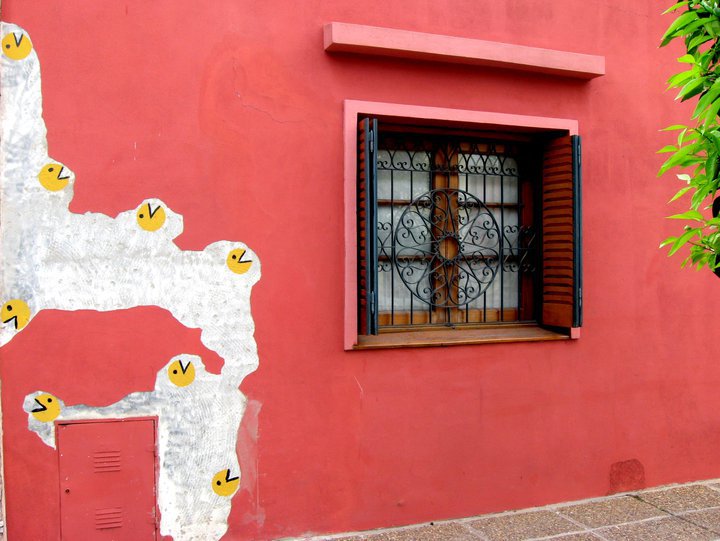

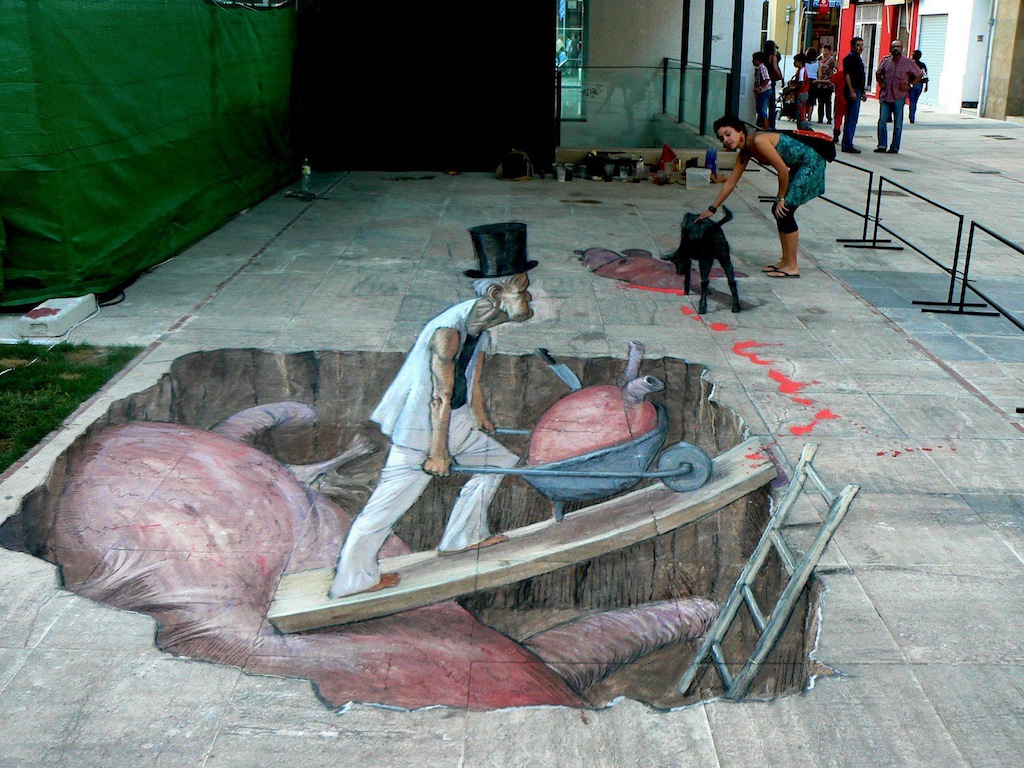
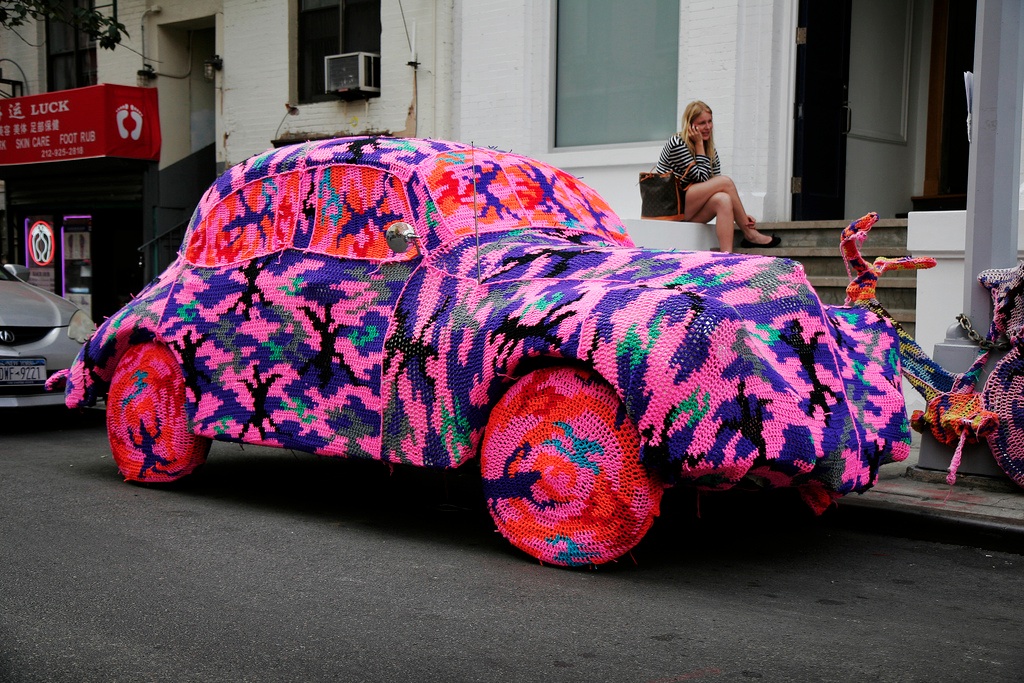
Guerilla Crochet by Agata Olek
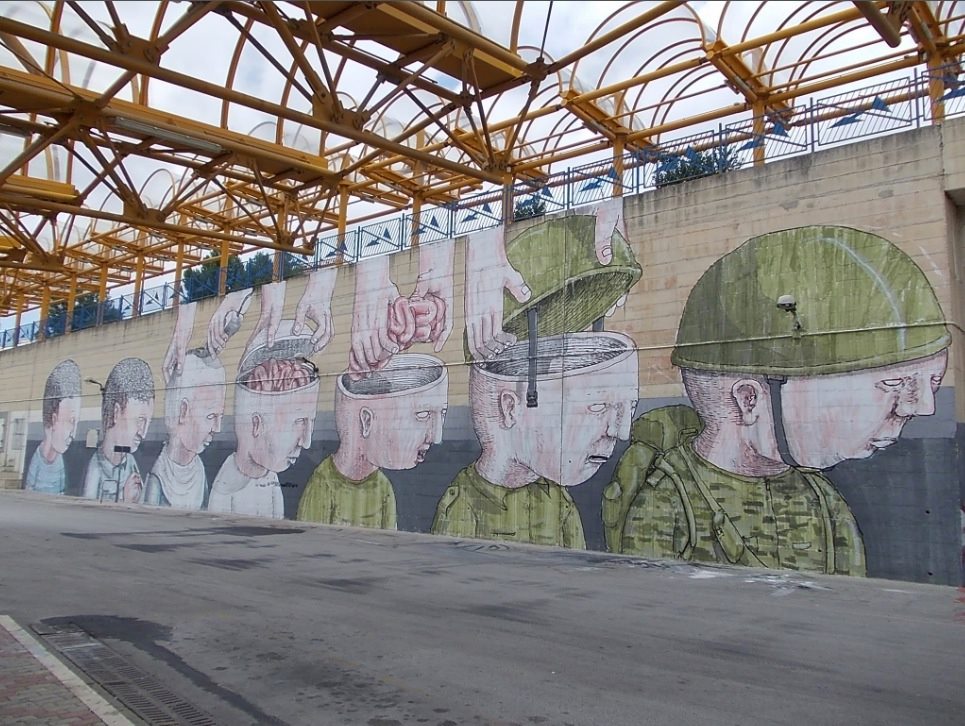


Little People - A Tiny Street Art Collection by Slinkachu
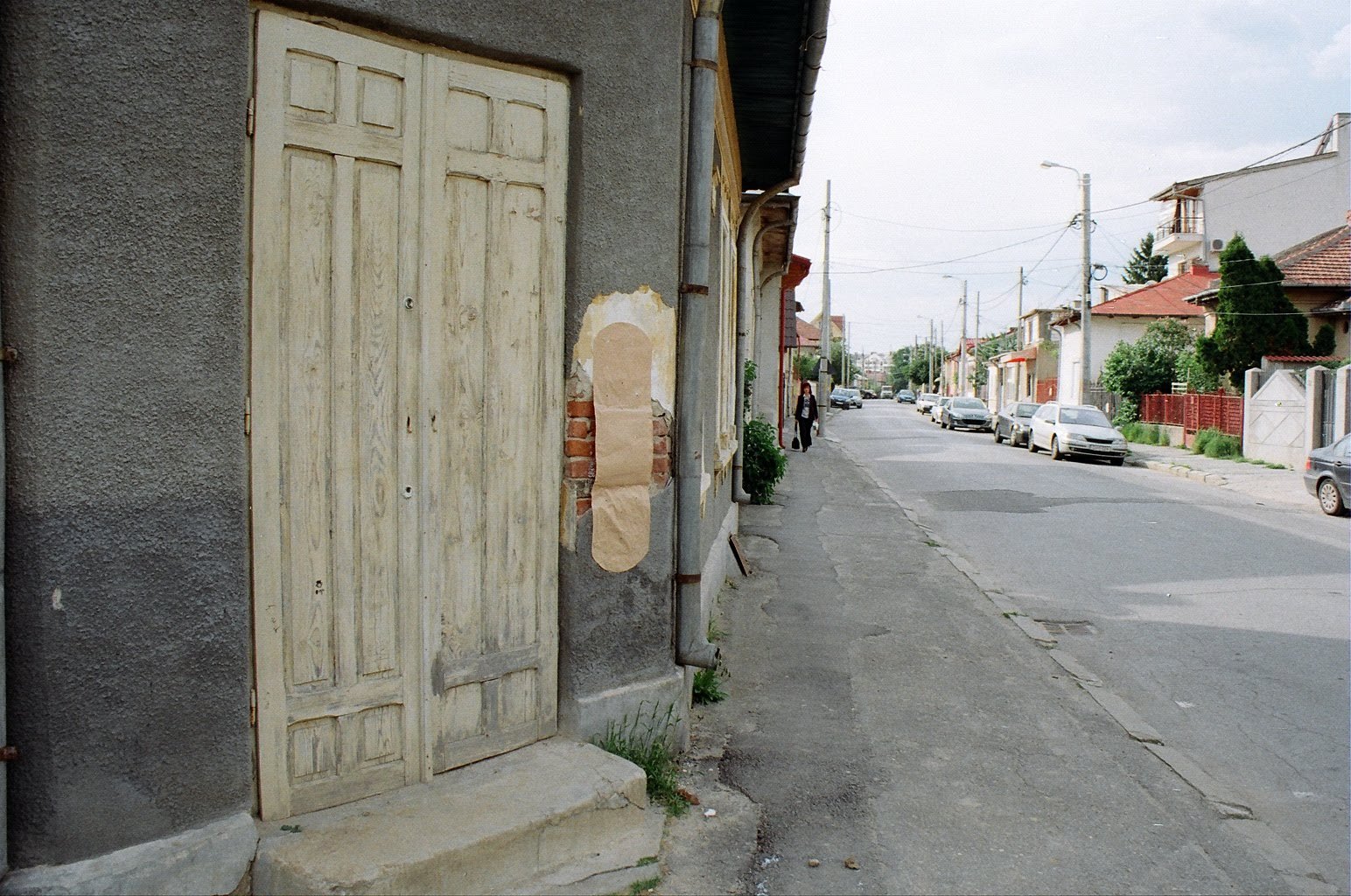
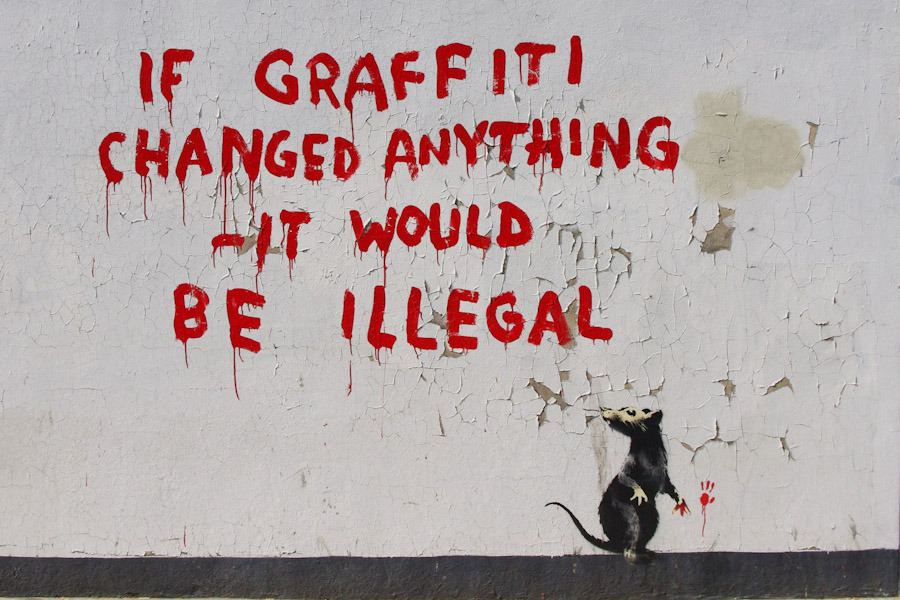
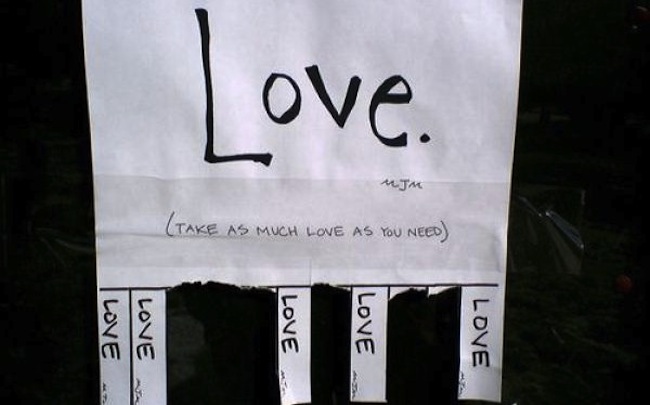

Yarn Bombing by B-Arbeiten
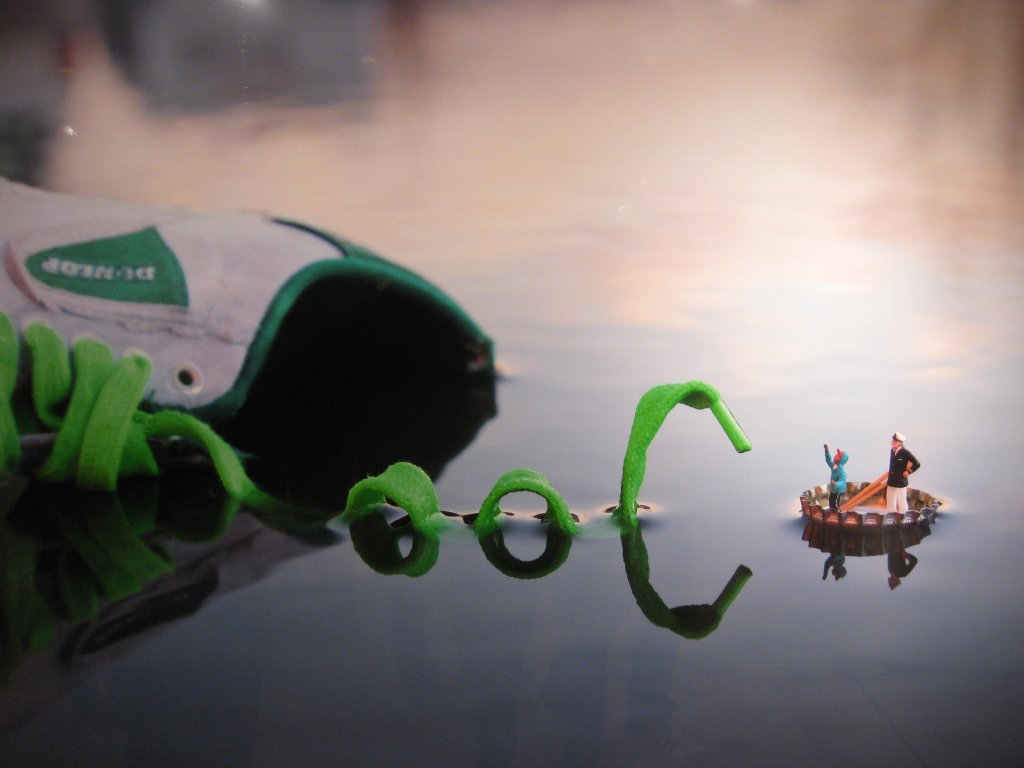
Little People - A Tiny Street Art Collection by Slinkachu
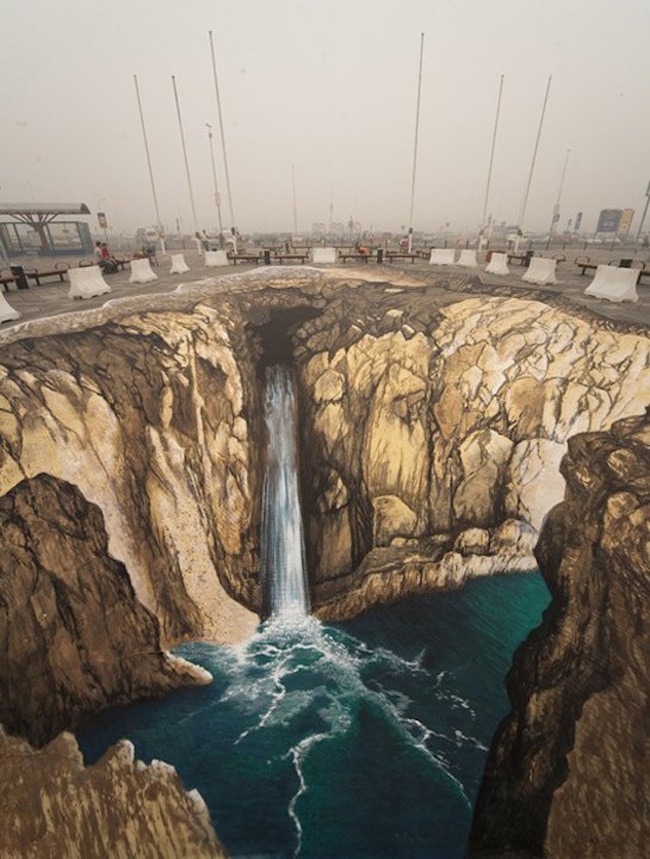
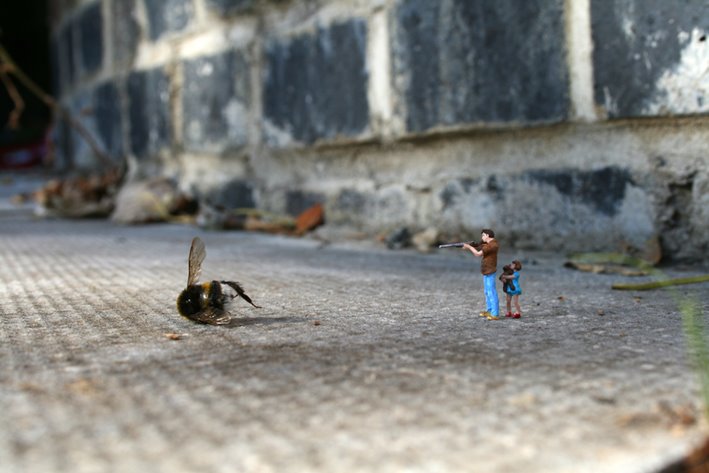
Little People - A Tiny Street Art Collection by Slinkachu
Home Again

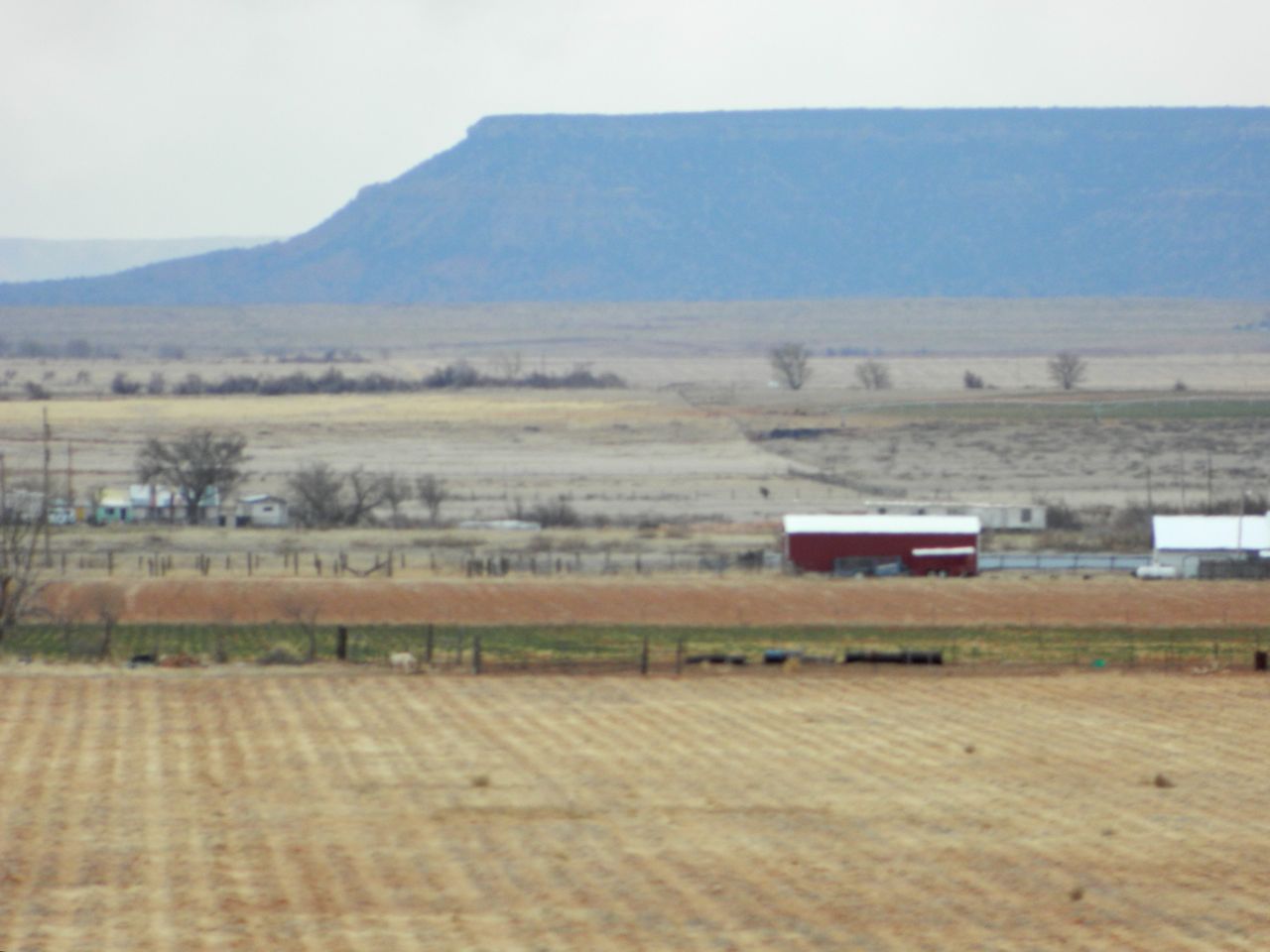
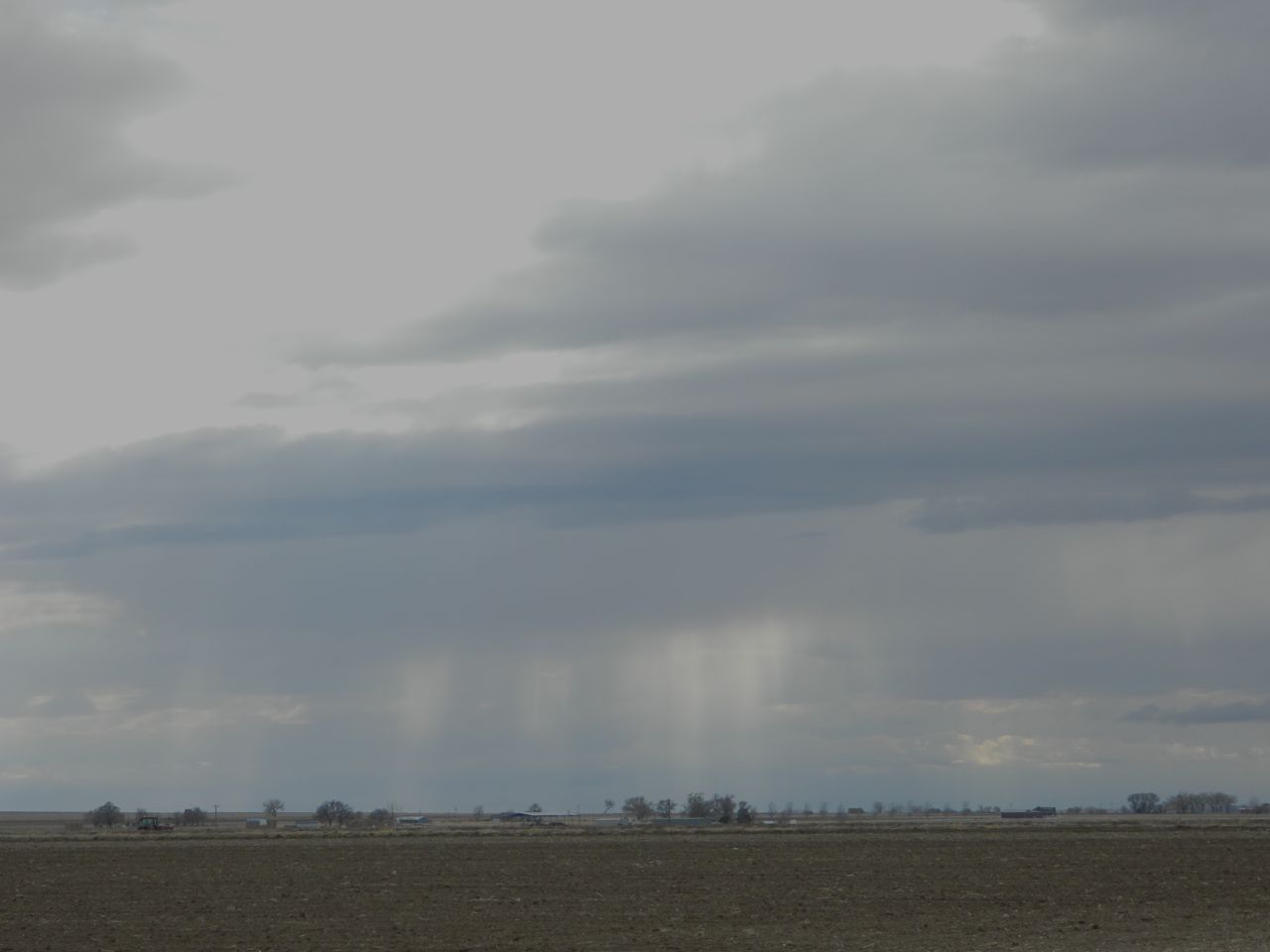
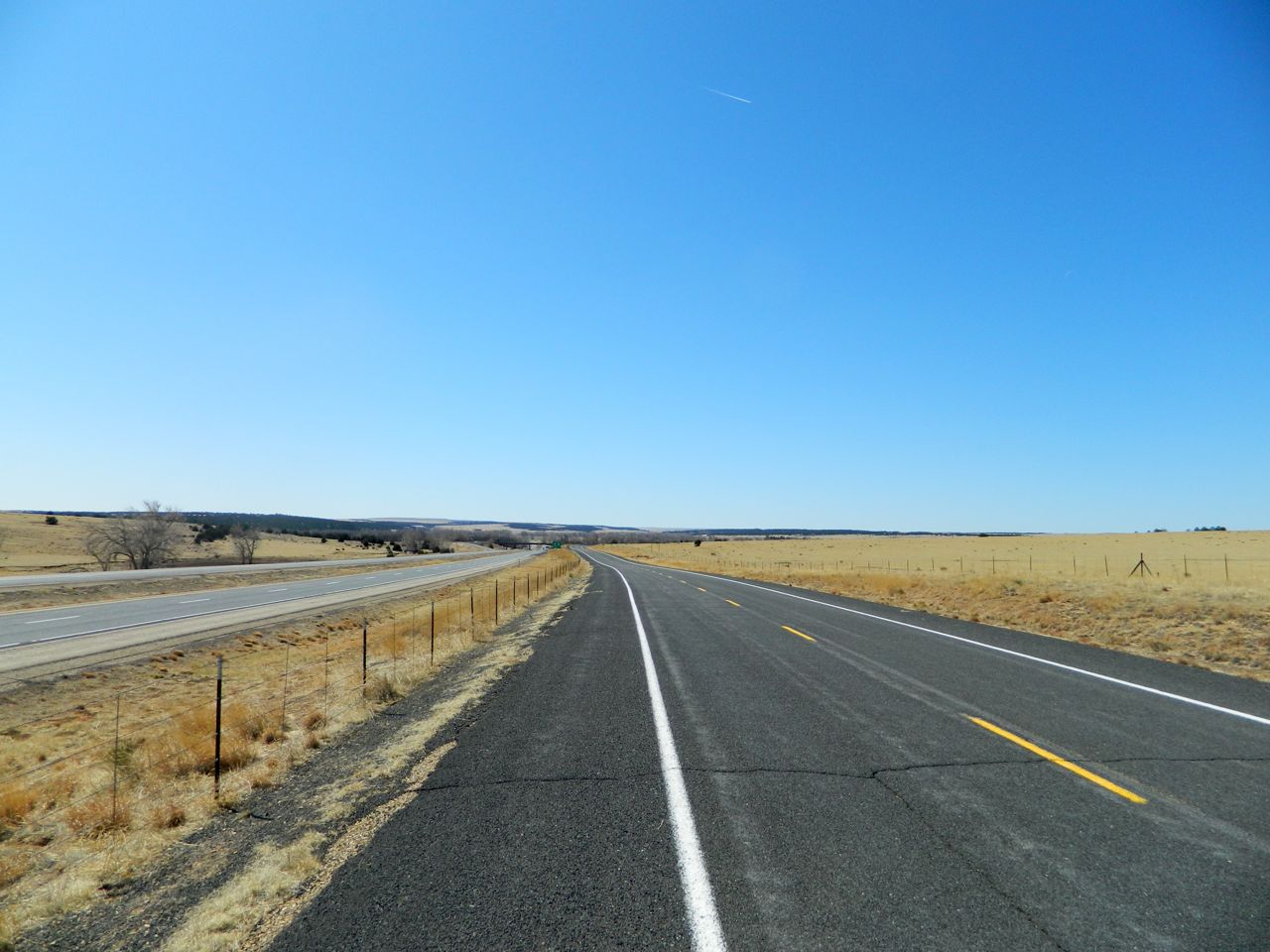
Today, back in (hideously windy) Albuquerque, I’ll wrap up the Spring Break road trip series that started here. Last Friday, Isabella, Velma and I left Albuquerque in search of the Comanche; we headed to Texas where we explored their former homeland, Palo Duro Canyon; made it to Nebraska, where we spent three days with our great-grandmother; and drove back via Wyoming & Colorado. Our drive through the southern plains was an exploration of a landscape that had interested me since reading about the Comanche in Empire of the Summer Moon.
As far as I know, the Comanche have been located on a reservation in Oklahoma since they were forced there, along with so many of the Plains and eastern tribes, in the mid 1800s. While I would have liked to visit the nation, it was also interesting to see a small piece of the Great Plains, once home to millions of buffalo, antelope, deer and other game, and thousands of Natives—the largest continuous ecosystem in the world prior to the Dust Bowl. While I grew up loving the open space and big skies of the West and Southwest, I think what surprises me the most about this area, and this time in history, is how recently the dramatic changes occurred. Less than 150 years ago, the warrior-hunter Comanche were still the most powerful tribe in American history, dominating the richest buffalo plains and every other tribe within hundreds of miles. They didn’t even enter recorded history until 1780, and their traditional lifestyle was over just 100 years later.
Neither the Americans nor the Indians they confronted along that raw frontier had the remotest idea of the other’s geographical size or military power. Both, as it turned out, had for the past two centuries been busily engaged in the bloody conquest and near-extermination of Native American tribes. Both had succeeded in hugely expanding the lands under their control. The difference was the Comanches were content with what they had won. The Anglo-Americans, children of Manifest Destiny, were not.
The discovery of agriculture, which took place in Asia and the Middle East, roughly simultaneously, around 6,500 BC, allowed the transition from nomadic, hunter-gatherer societies to the higher civilizations that followed. But in the Americas, farming was not discovered until 2,500 BC, fully four thousand years later and well after advanced cultures had already sprung up in Egypt and Mesopotamia… Once the Indians figured out how to plant seeds and cultivate crops, civilizations in North and South America progressed at roughly the same pace as they had in the Old World… But the Americas, isolated and in any case without the benefit of the horse or ox, could never close the time gap. They were three to four millennia behind the Europeans and Asians, and the arrival of Columbus in 1492 guaranteed that they would never catch up. The nonagrarian Plains Indians, of course, were even further behind.
Thus the fateful clash between settlers from the culture of Aristotle, St. Paul, Da Vinci, Luther, and Newton and aboriginal horseman from the buffalo plains happened as though in a time warp–as though the former were looking backwards thousands of years at premoral, pre-Christian, low-barbarian versions of themselves. The Celtic peoples, ancestors of huge numbers of immigrants to America in the nineteenth century, offer a rough parallel.
The excerpts included in these posts are just a small sampling from SC Gwynne’s excellent book, and they don’t begin to tell the whole story. Along with military and technological histories of the time, Gwynne also tells the amazing story of Quanah Parker, the last chief of the Comanche and the son of Cynthia Anne Parker, a white settler who was kidnapped by the tribe when she was nine years old. It was Quanah Parker who once led his entire village, consisting of “large numbers of women and children and old men, many tons of equipment and provisions and supplies, along with a remuda of three thousand horses and mules, an unspecified number of cattle, and dogs” on a 40-mile cat-and-mouse escape from Captain Raynald Mackenzie and several hundred soldiers. He was born on the buffalo plains but died a rancher in Oklahoma. So, if you are at all interested in the history of the American West, or just good historical novels, you should read this book.
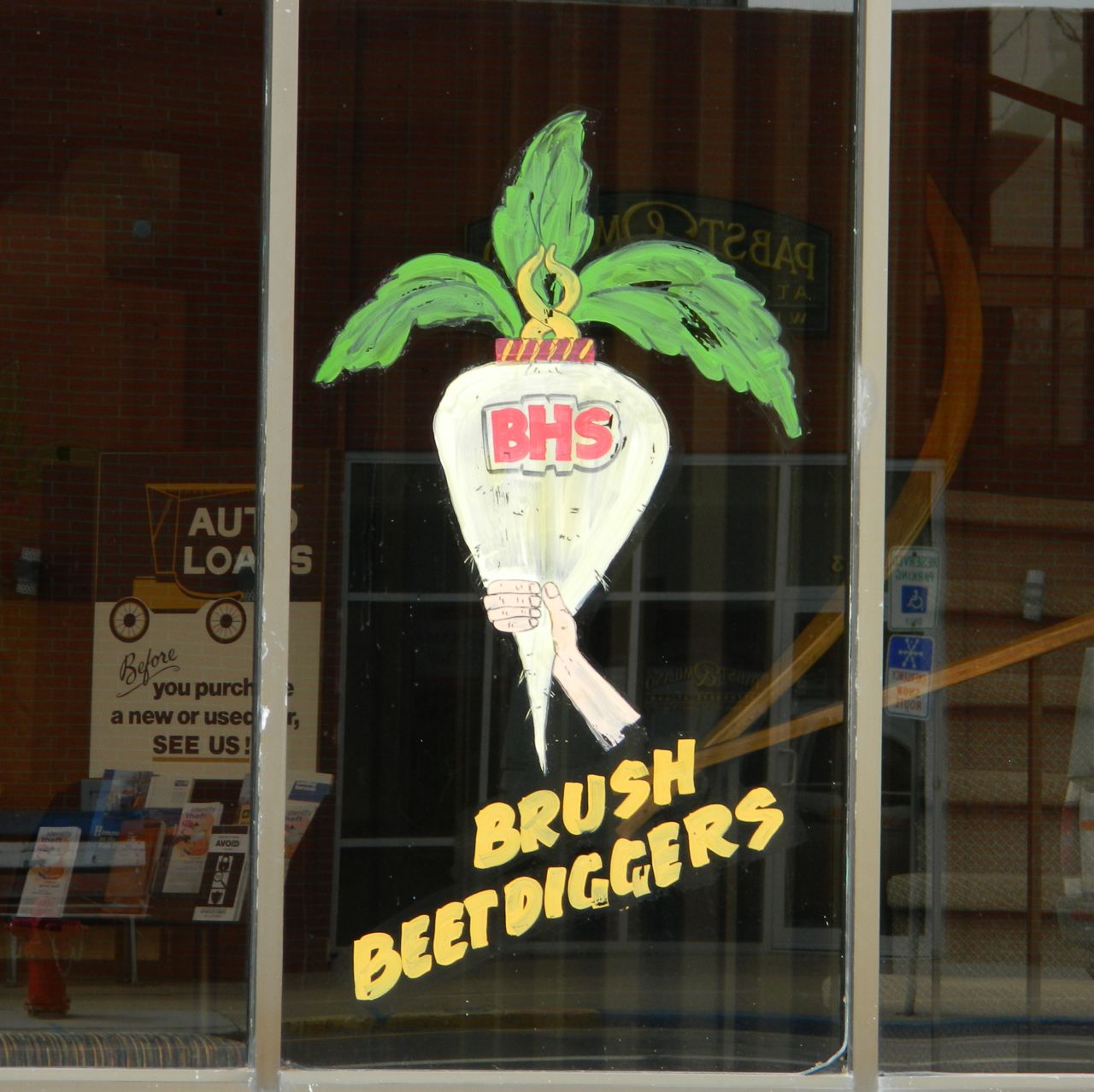
I’ll end here, with a few “best of” pictures from the rest of our trip, starting with Best/Creepiest High School Mascot, the Brush Beet Diggers (Brush, Colorado).
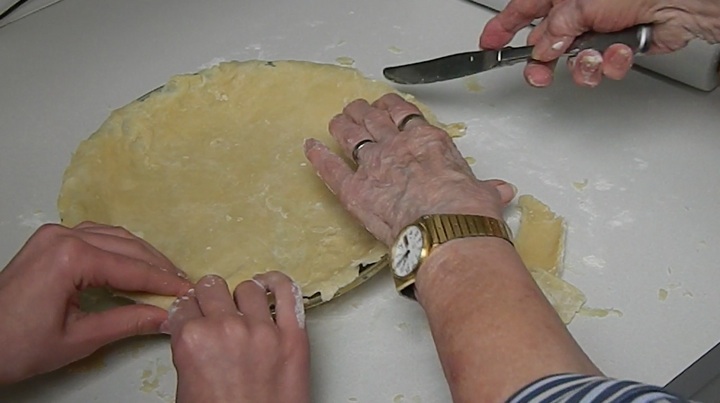
Best Dessert was the pie Isabella and Jessie made. Jessie once owned a cafe and got there at 3:00 every morning to start baking eighteen pies and many loaves of bread. Every day. She is an amazing woman, still living independently, always planning for the future. And did I tell you she’s got 20/20 vision? At the age of 95??!
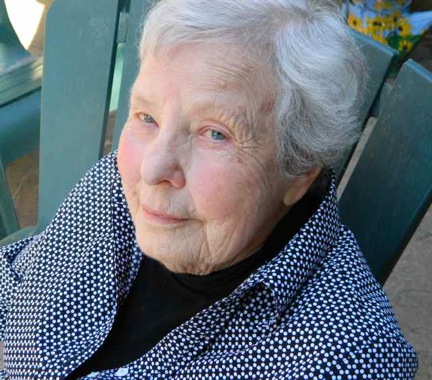
Best Daughter was of course Isabella, who was such a pleasure to travel with. She did not complain of boredom or being without Facebook and email for a week, or about the dodgy hotel in Limon, Colorado. (Not bad for a girl who recently declared that the only items she still needs to complete her bedroom decor are a three-panel dressing mirror and a Tempur-Pedic fainting couch.) The change of habit, environment, and perspective afforded by travel helped me to appreciate her for the kind, caring, growing-up girl that she is. My dance moves and maracas were not used once, much to the relief of Isabella and I’m sure every resident of Scottsbluff, Nebraska (without even knowing it).

It was a joy to lapse for a few days into Jessie’s life stage–that of a human being rather than a human doing–an absence of activity that allowed us to take pleasure in each other’s company, stories, and presence, with no agenda beyond that.
Click to see my new website for ceramic & biodegradable cremation urns


 Live Clay